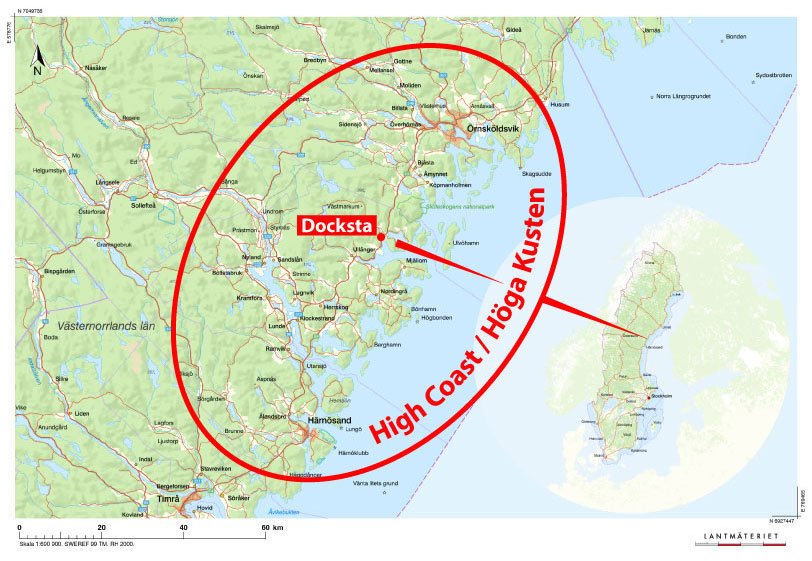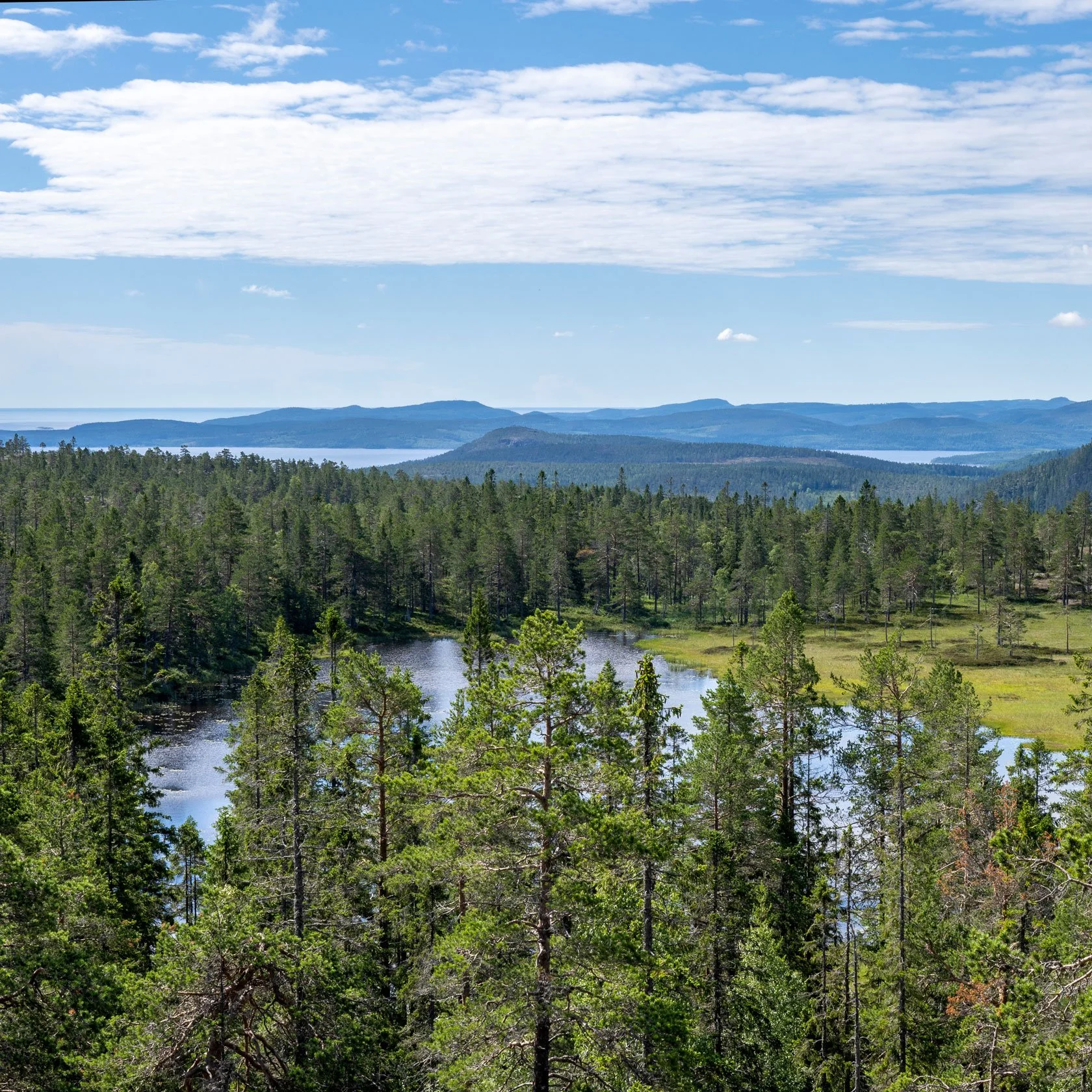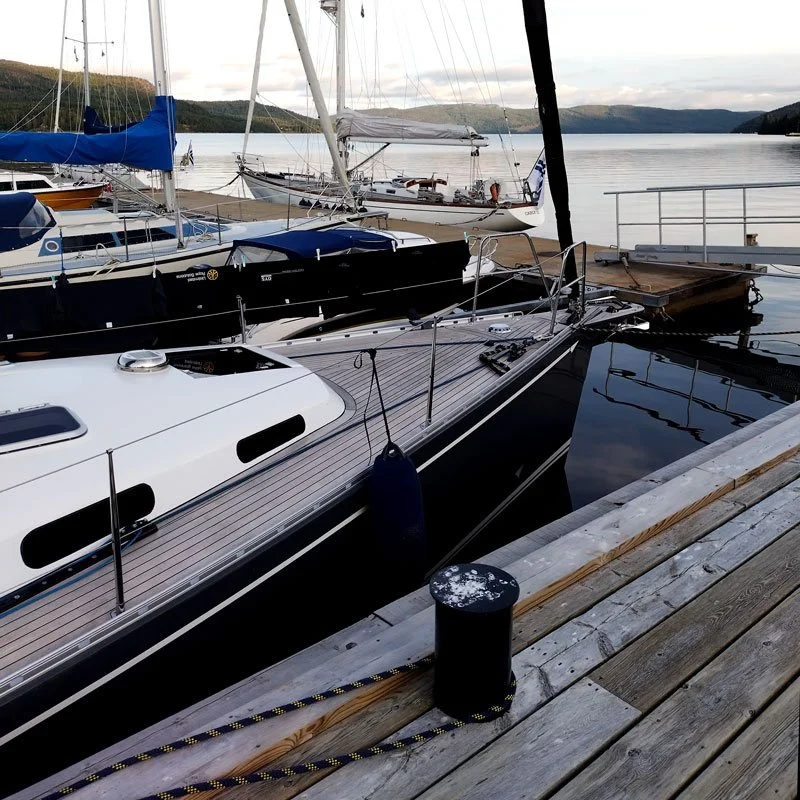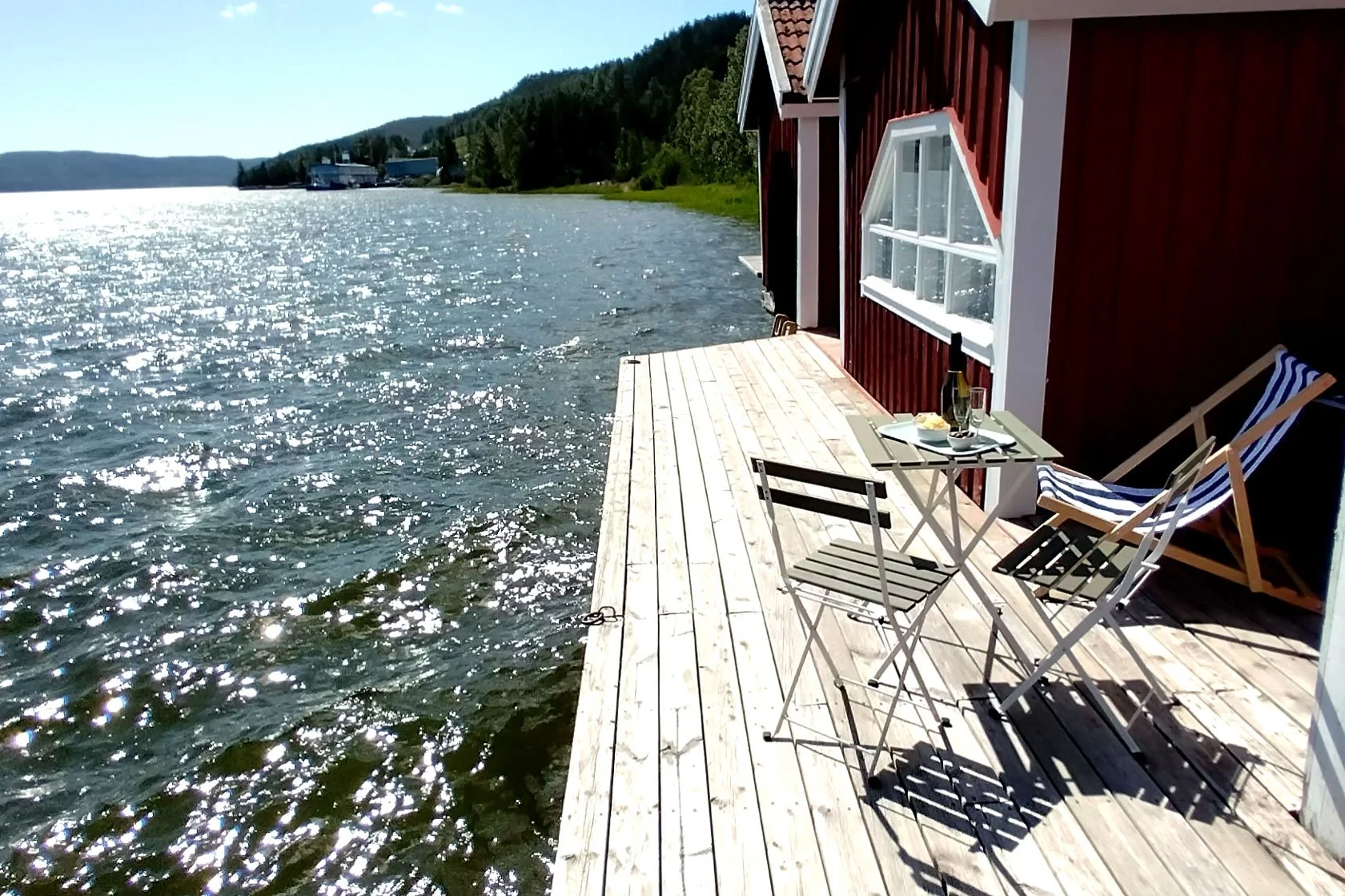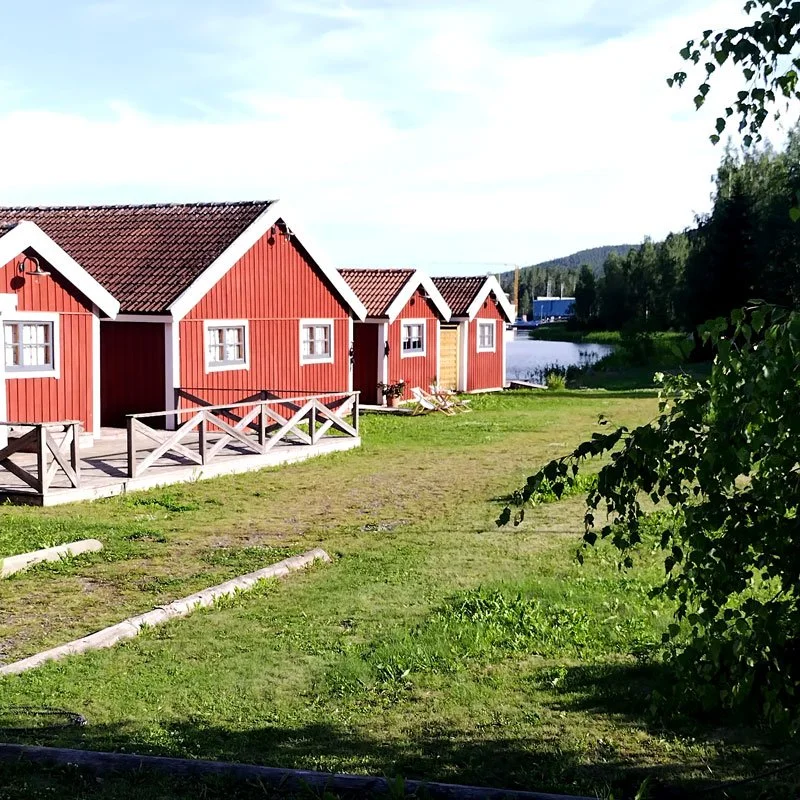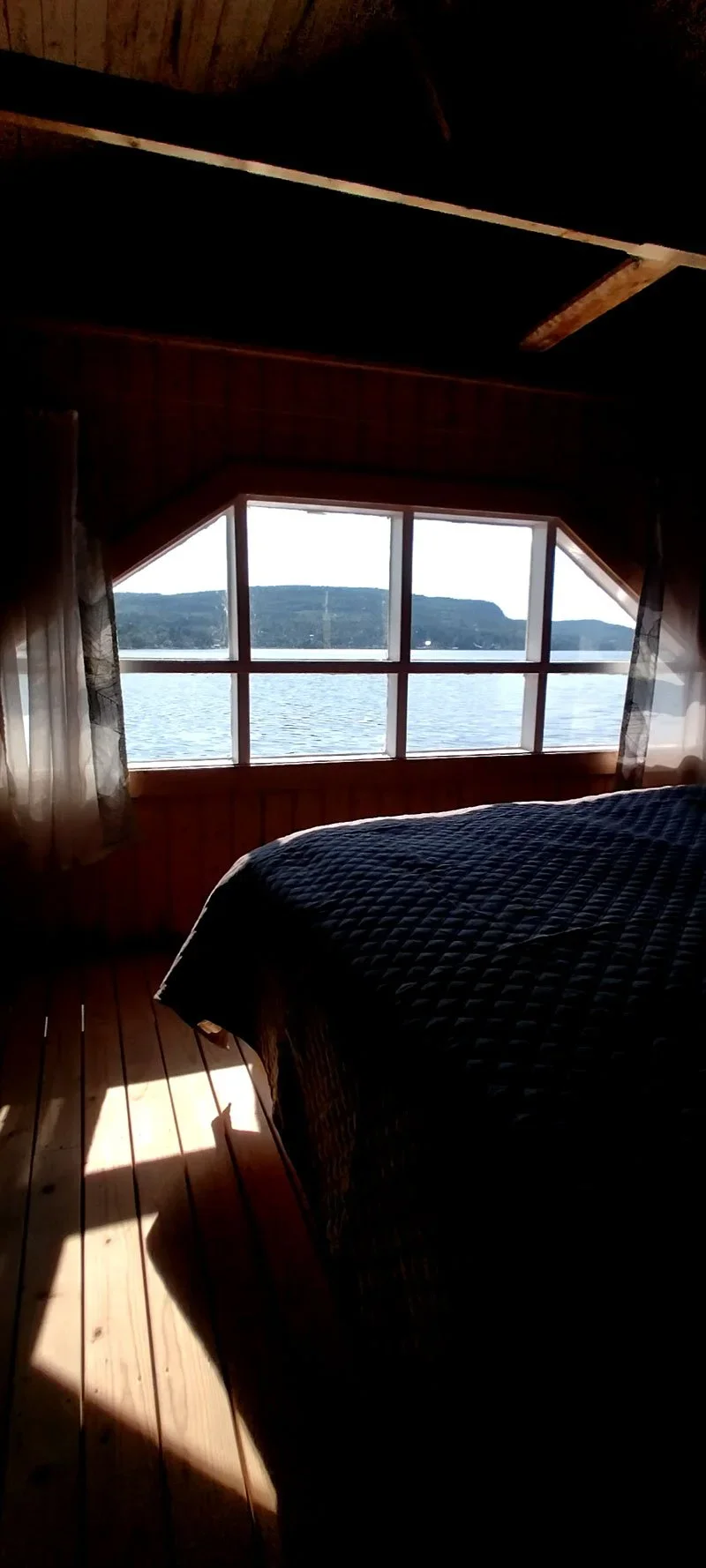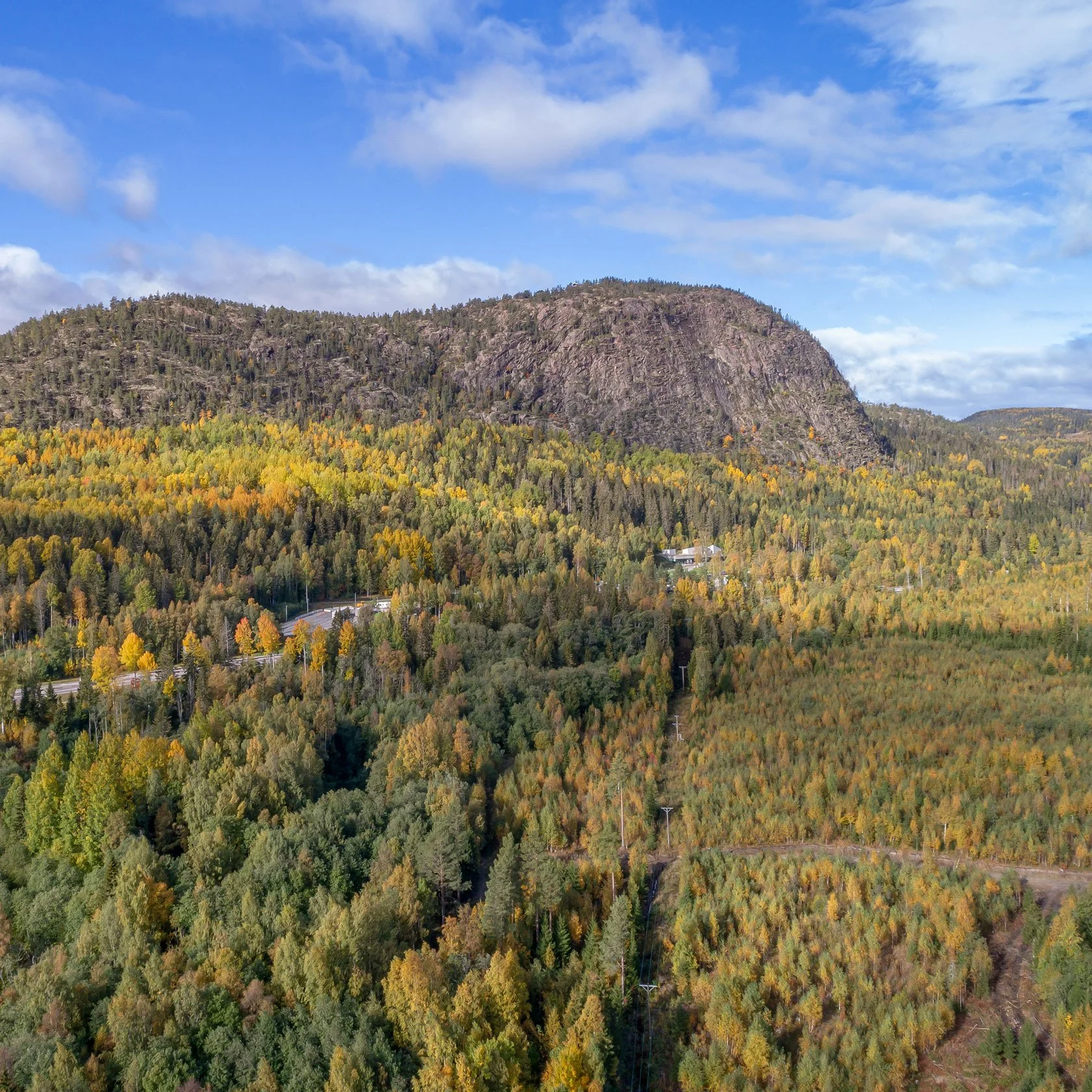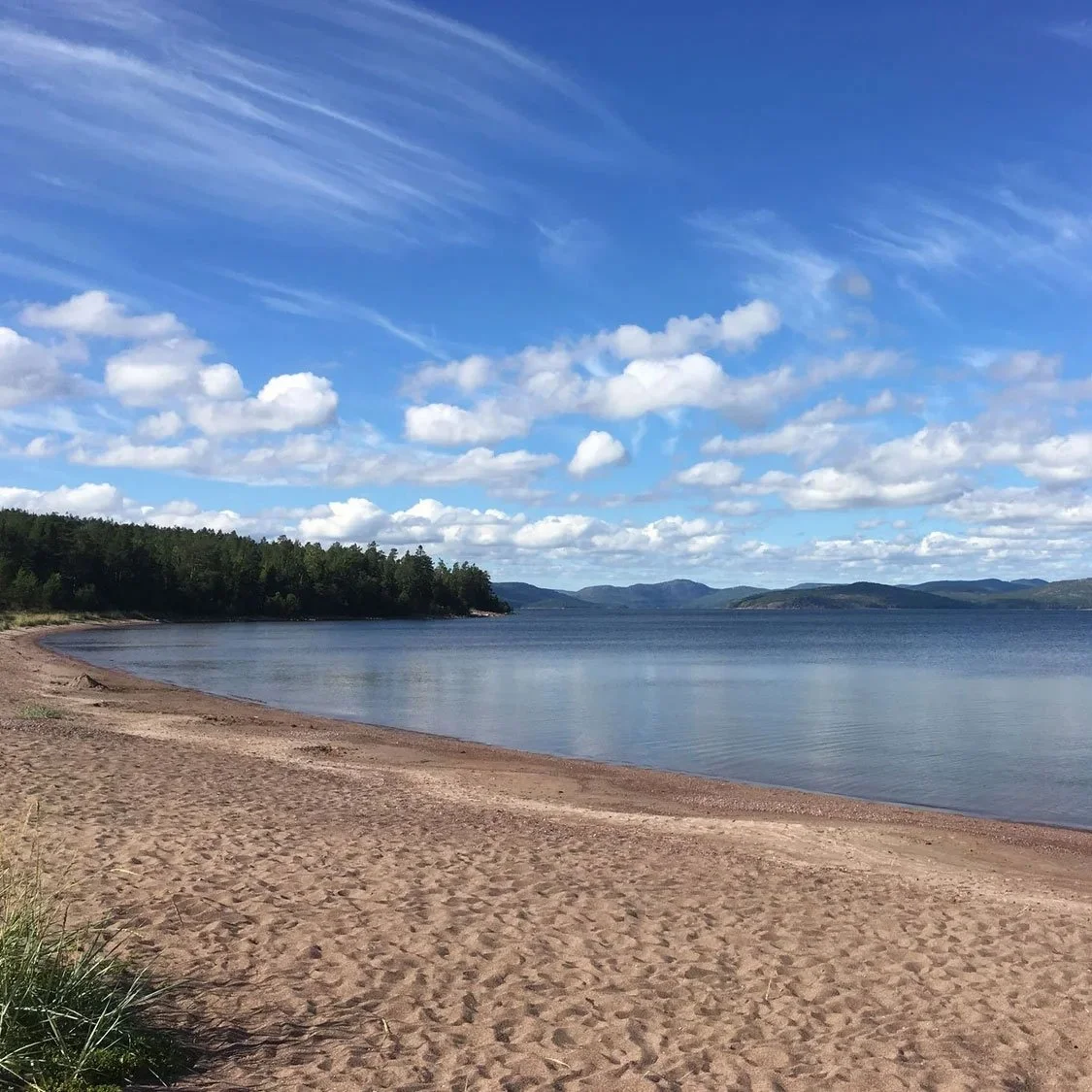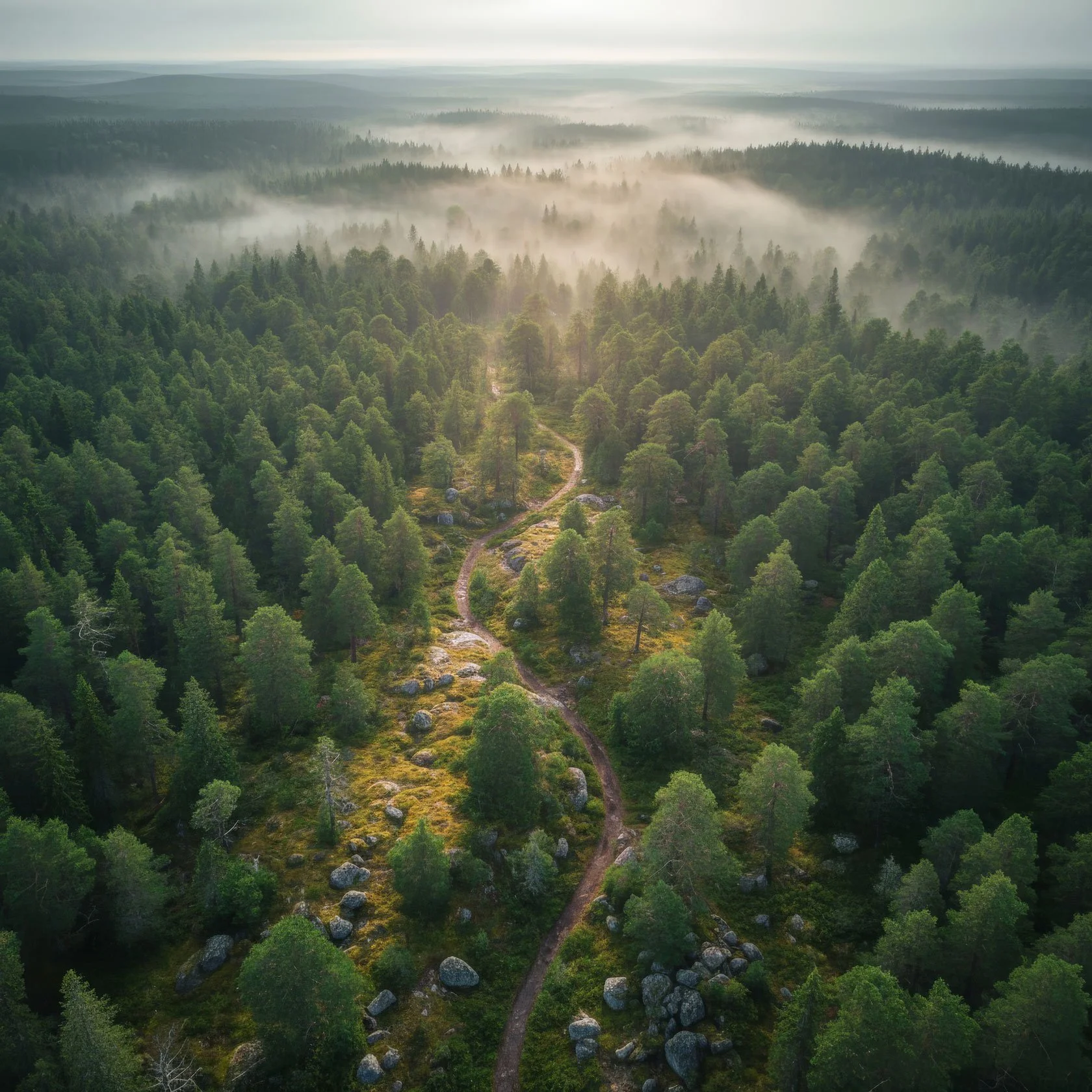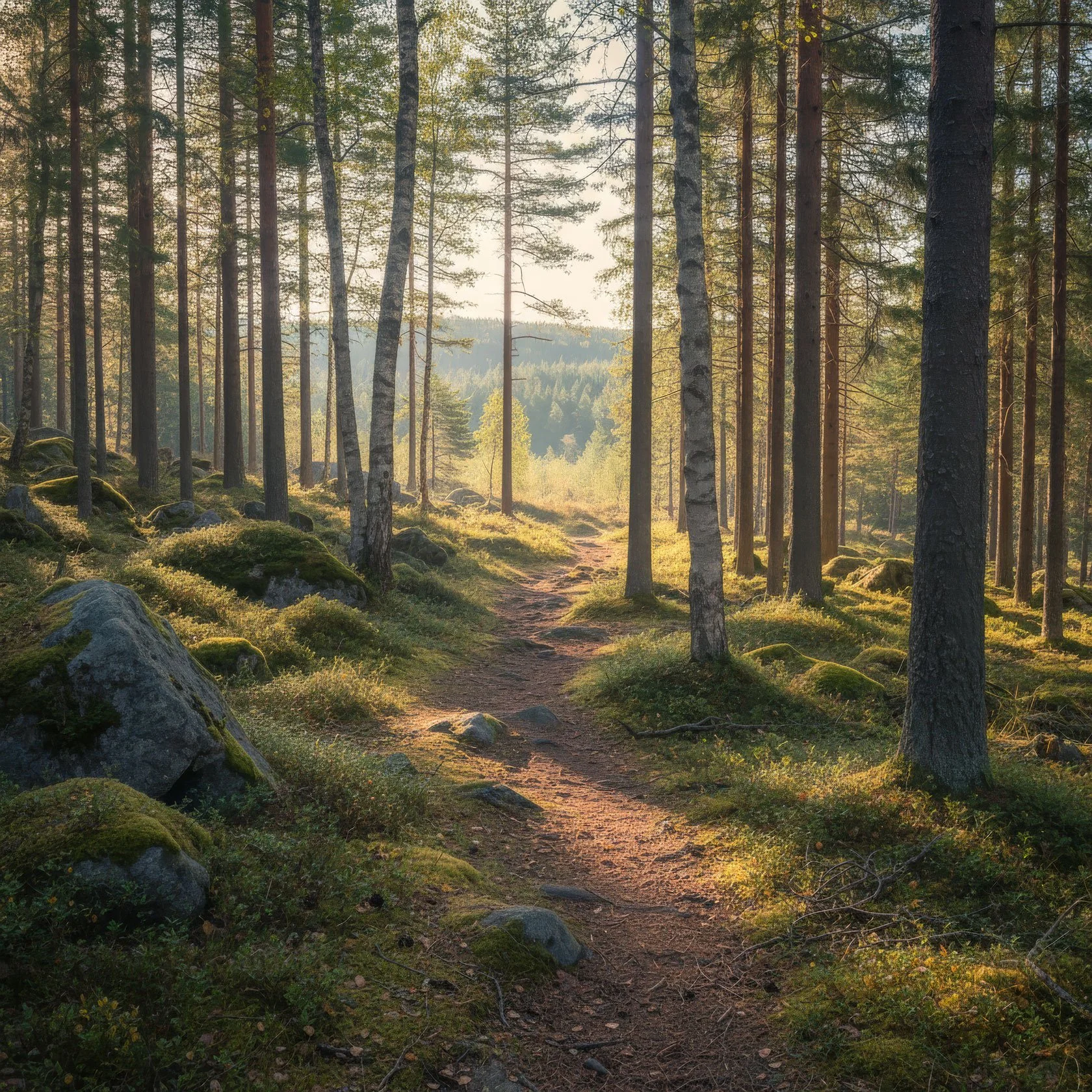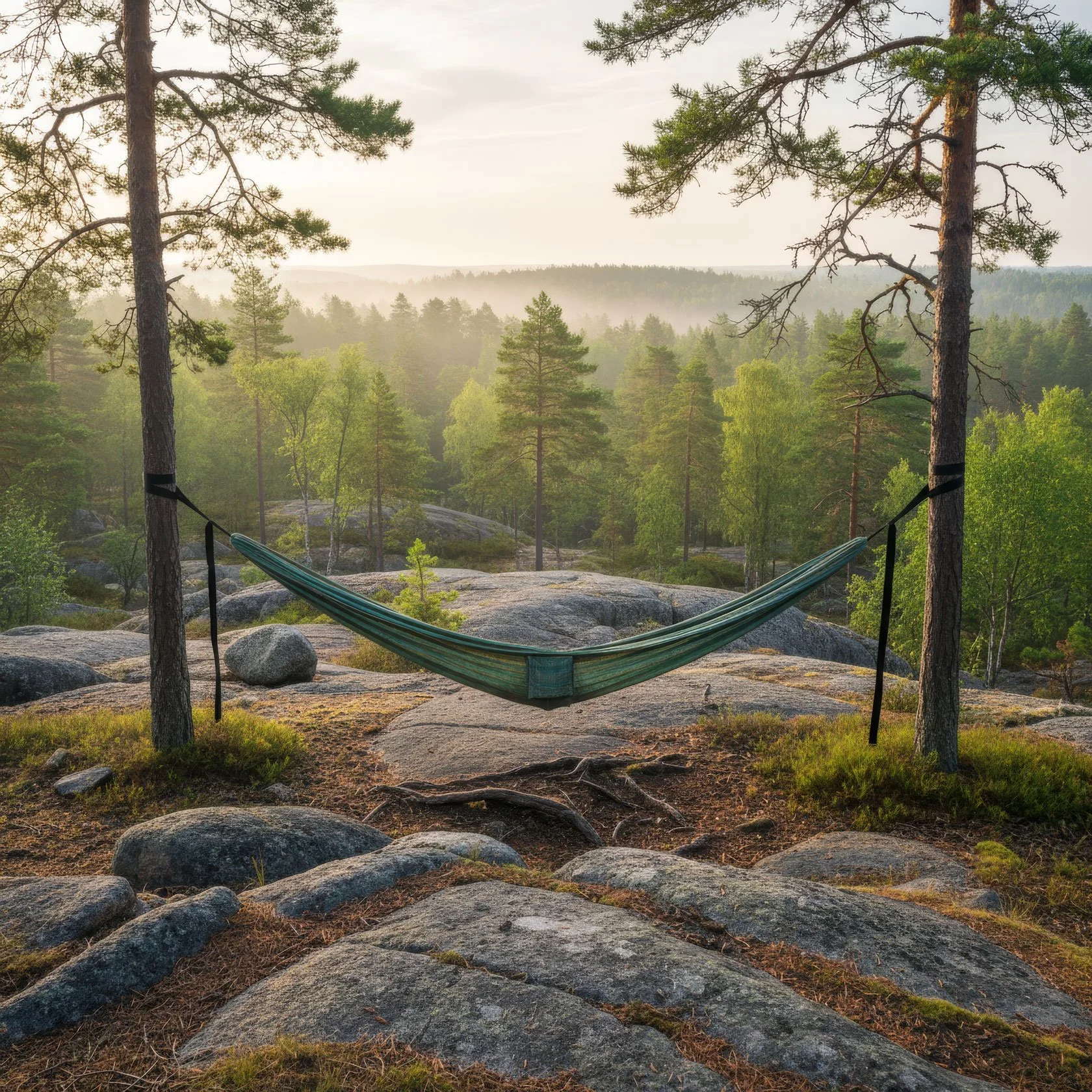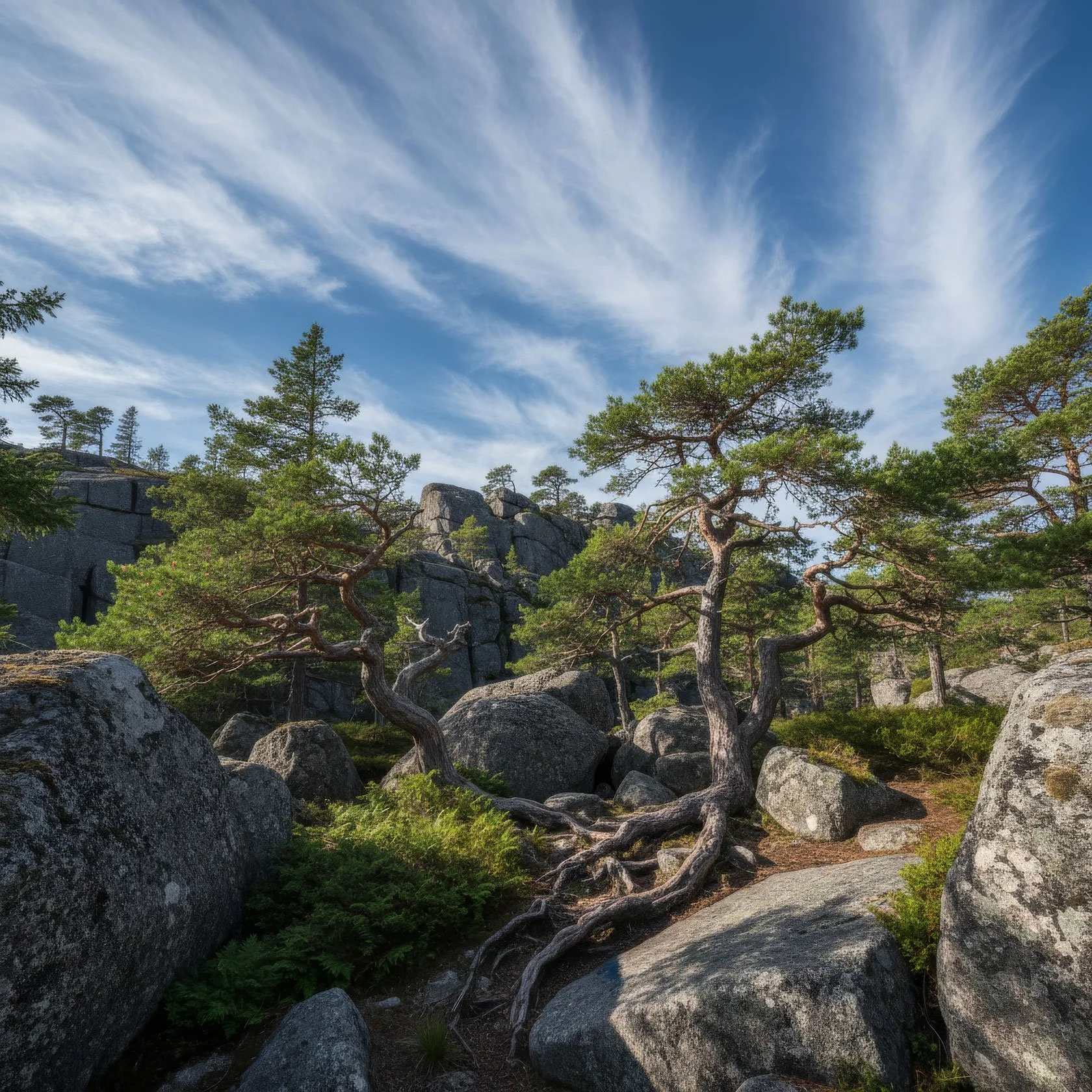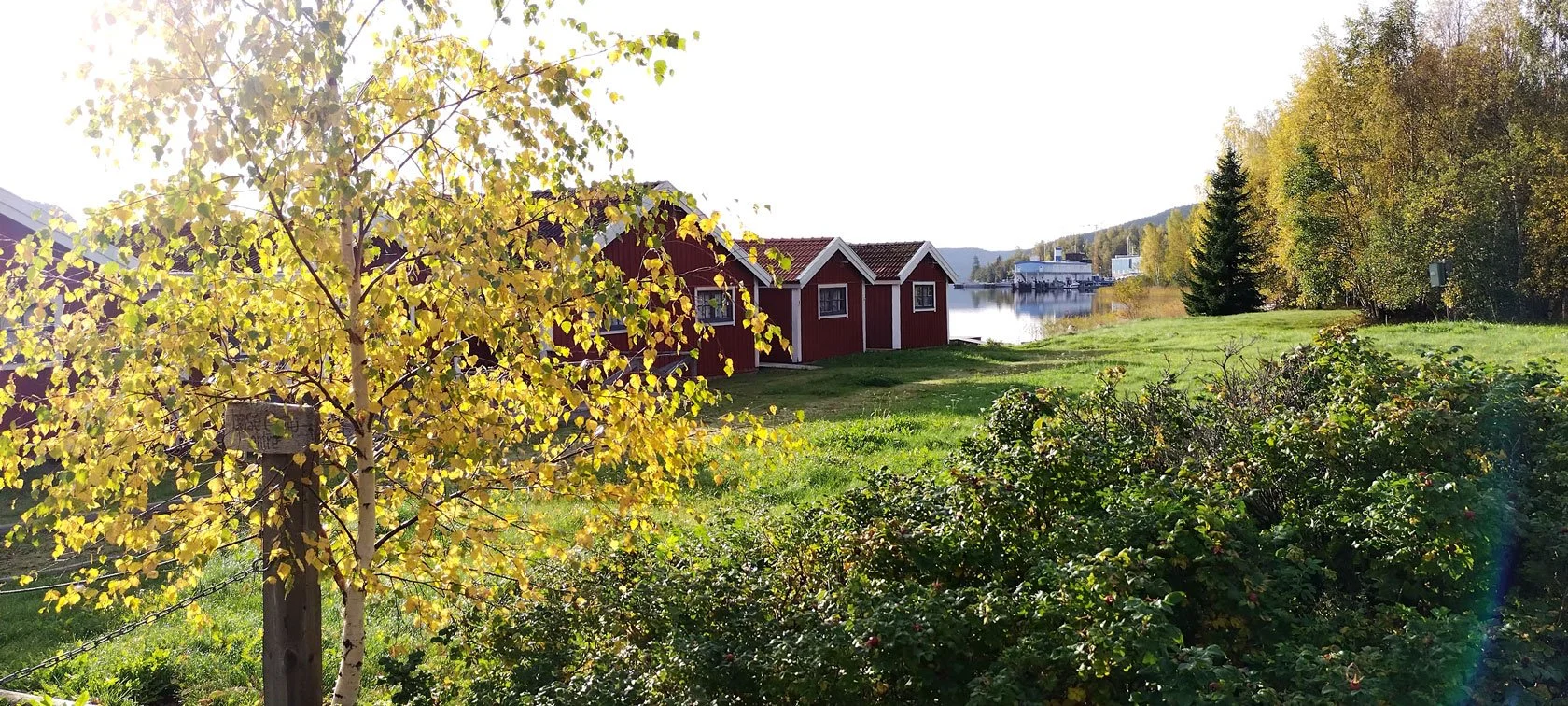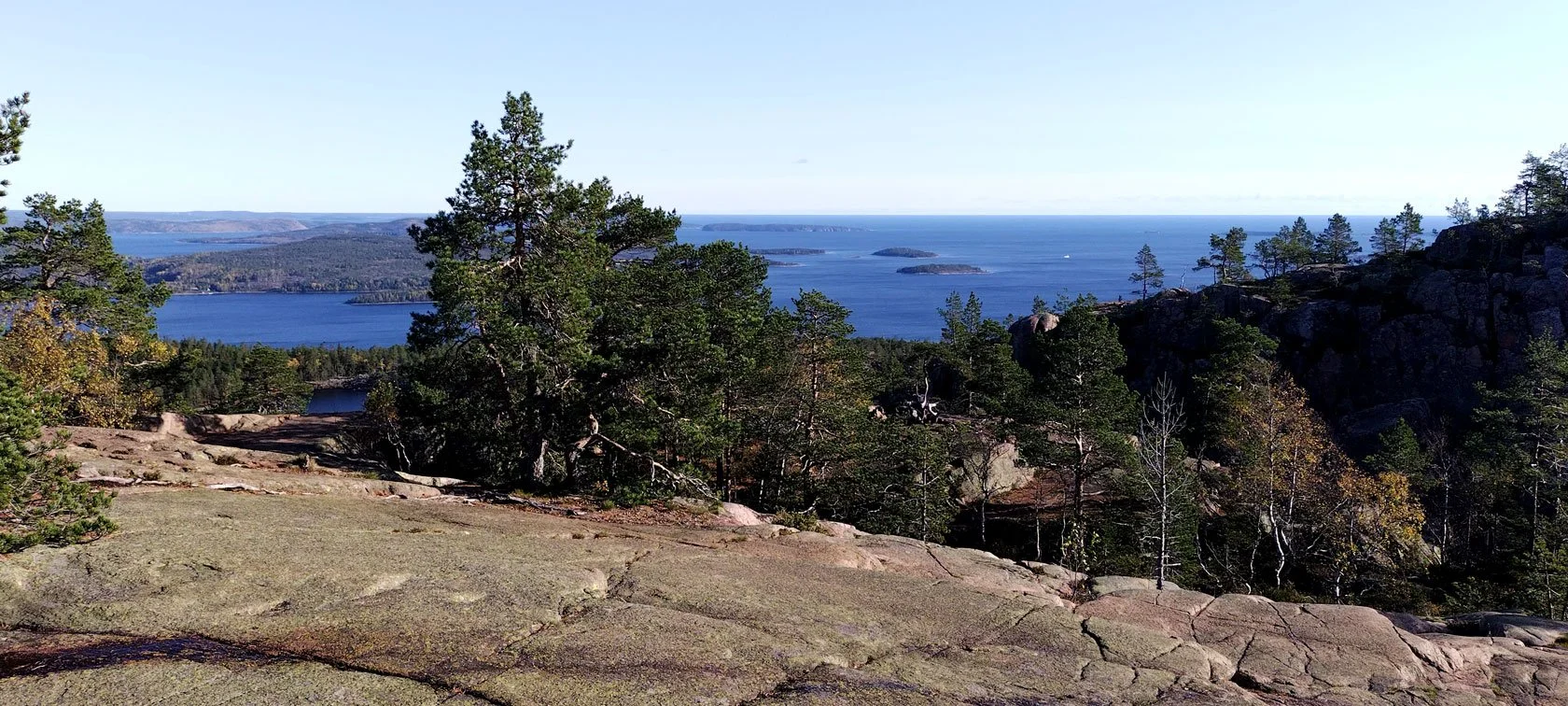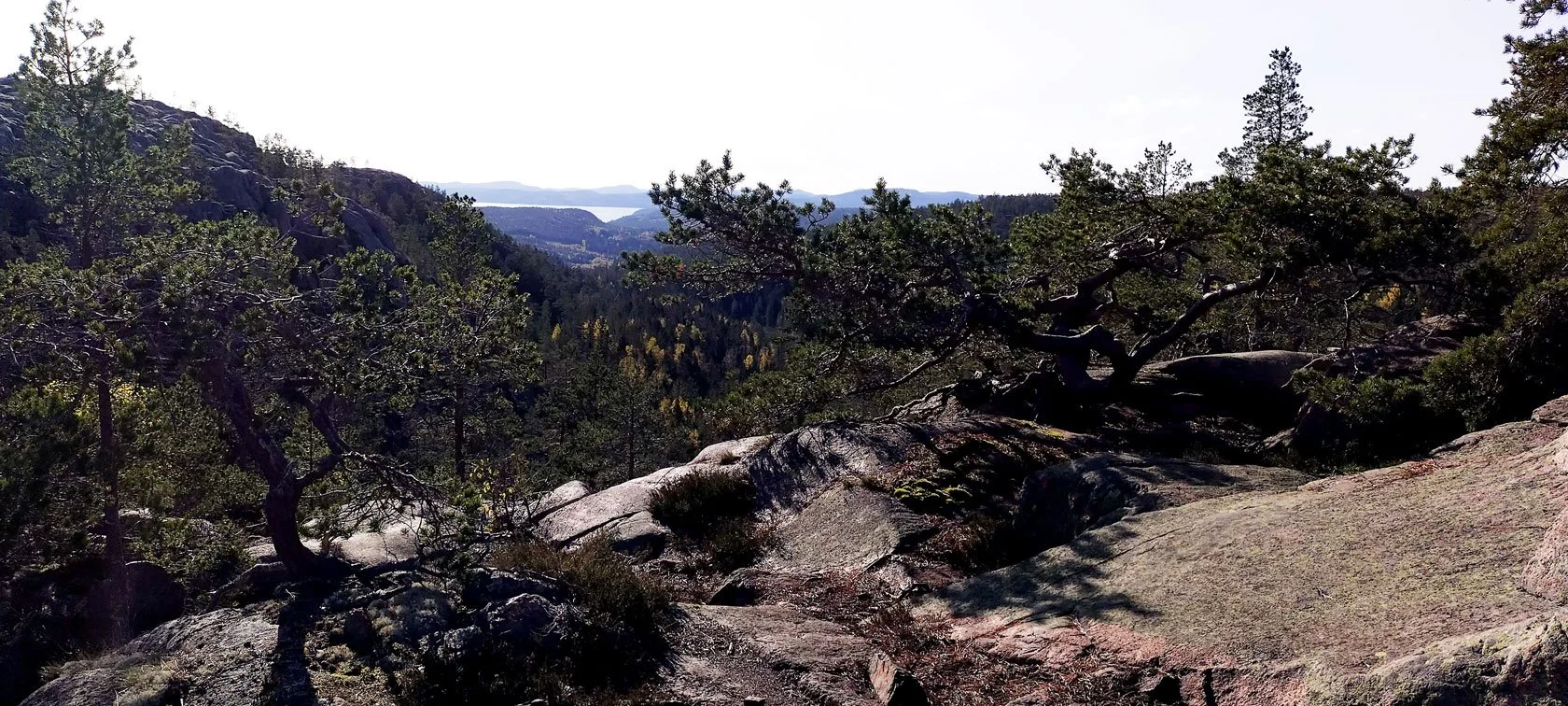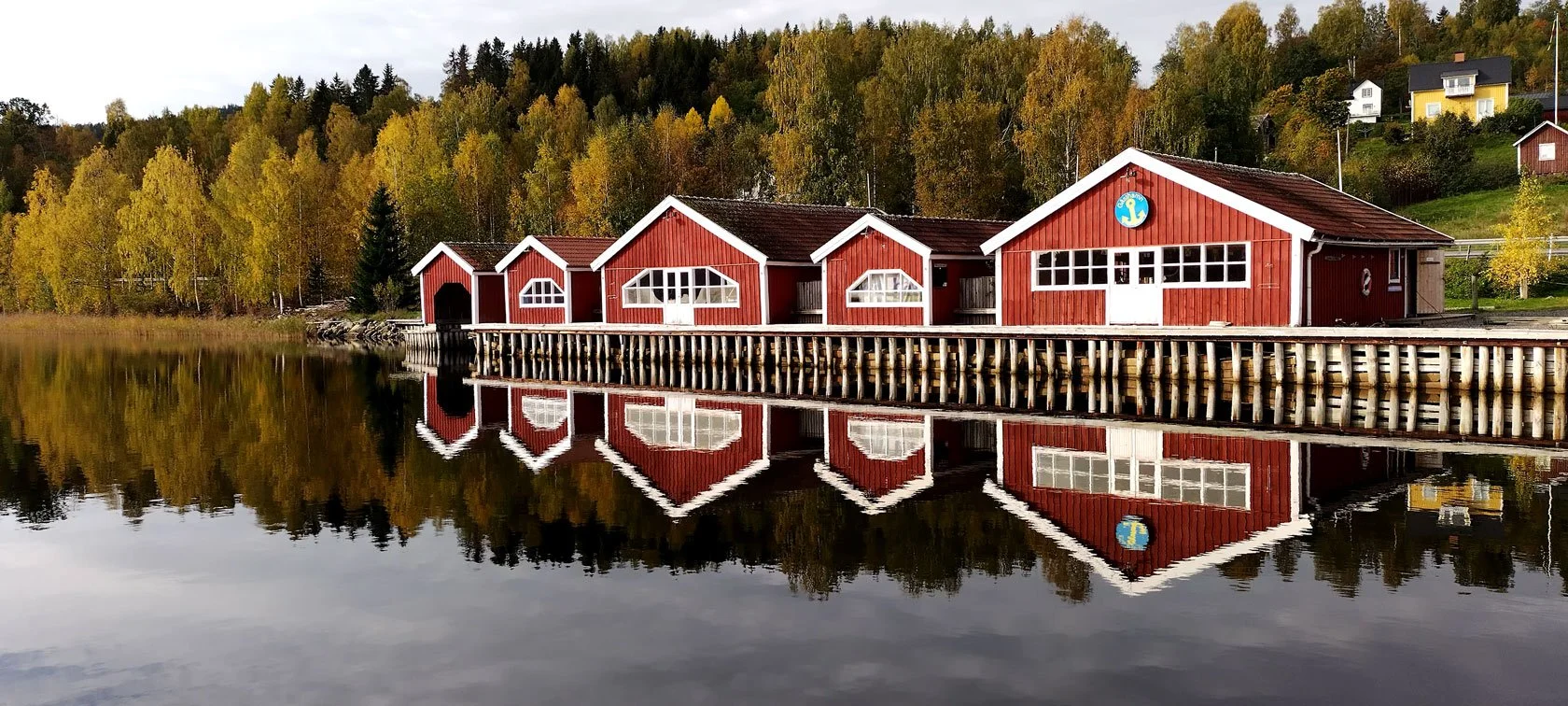
High Coast Stopover for Sailors (Docksta): the smart 2–3 night pause between sea and mountains

A simple idea: turn one harbour night into a real High Coast day

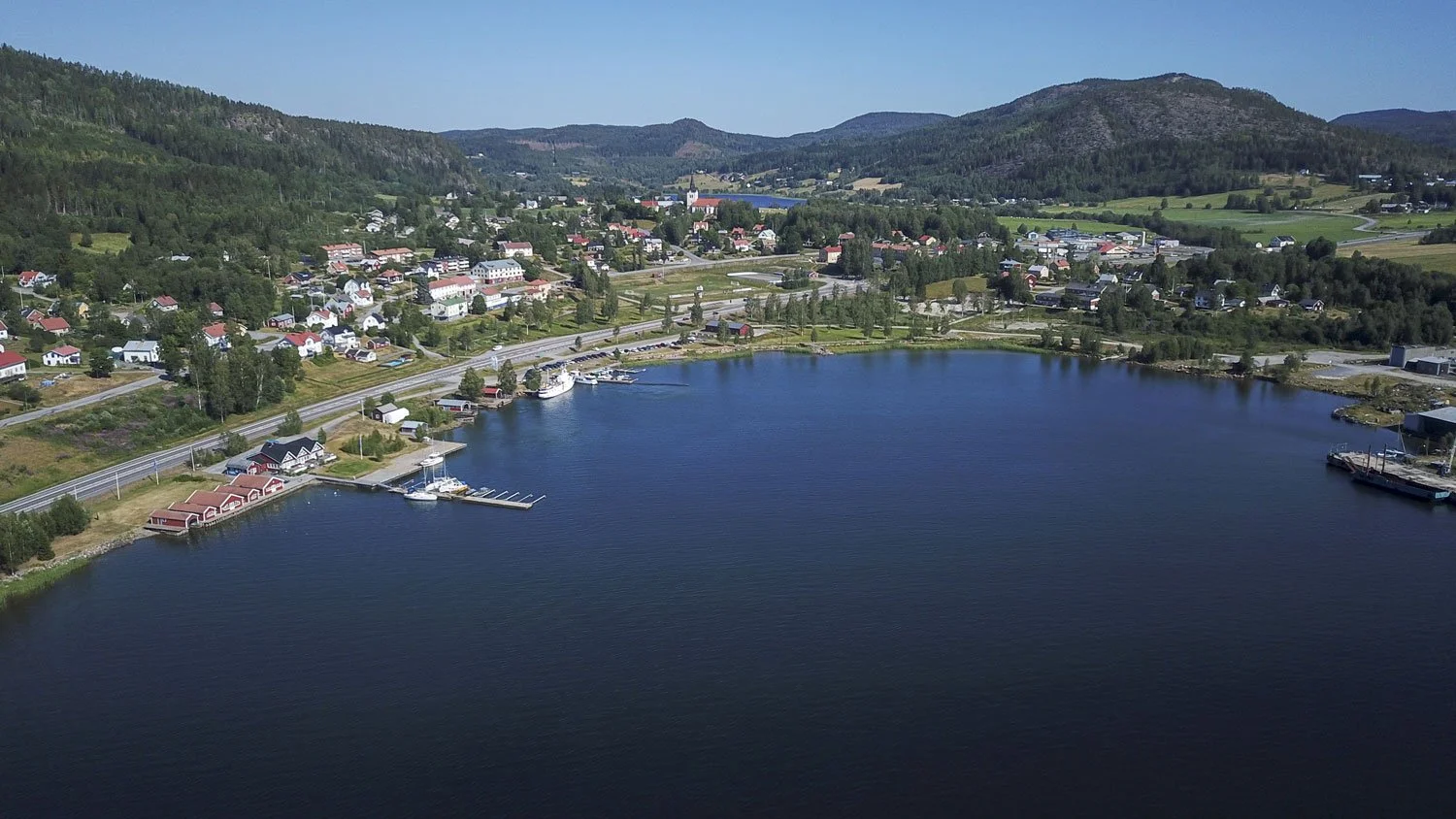
A welcoming, safe guest harbour at the foot of Skuleberget, with personal hosting. Stop 2–3 nights, reset, and explore the High Coast with local guidance and Grab&Go gear.


You can sail the High Coast and still miss it

Not because the archipelago isn’t beautiful — it is — but because this coastline reveals itself slowly.

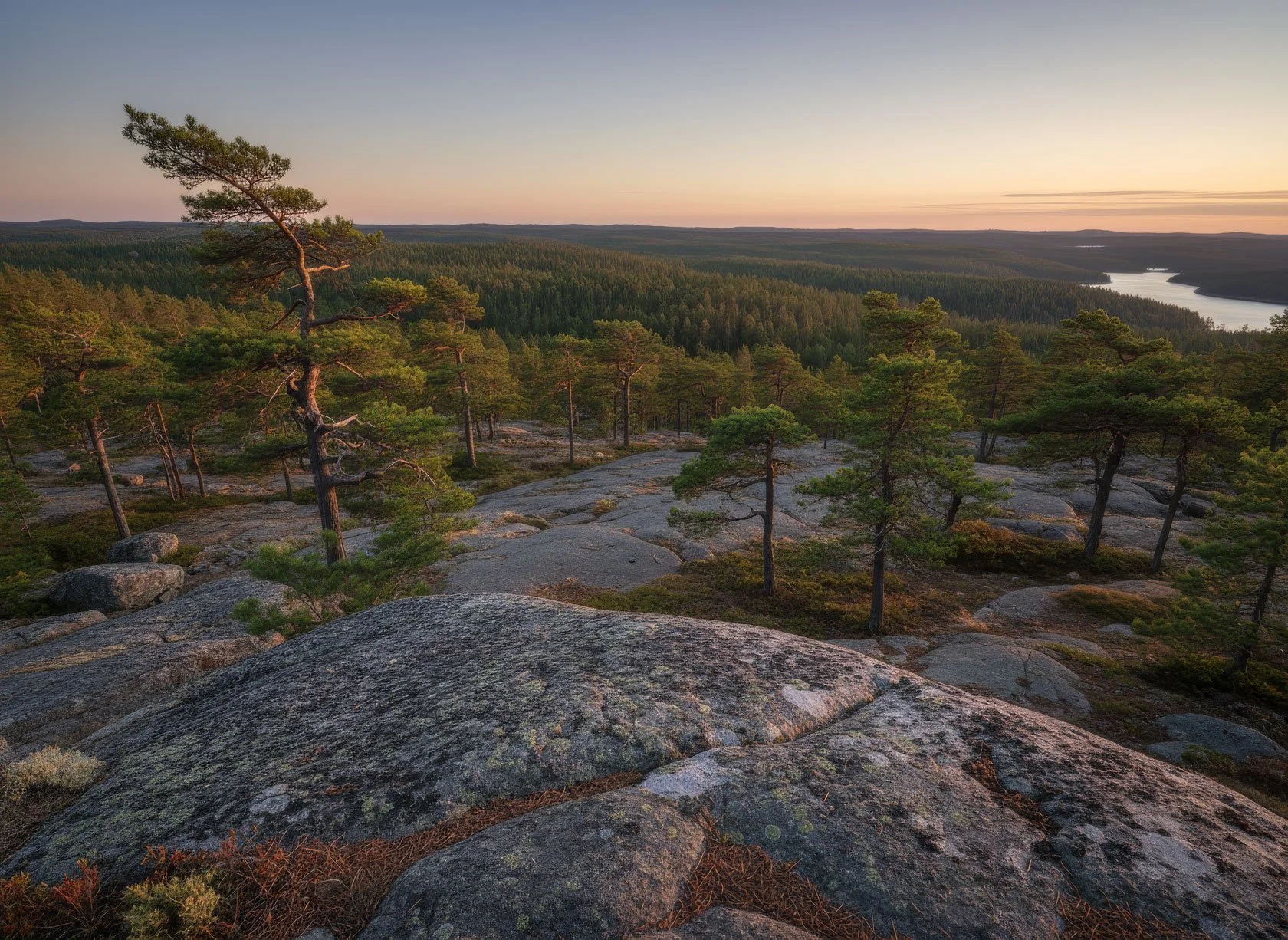
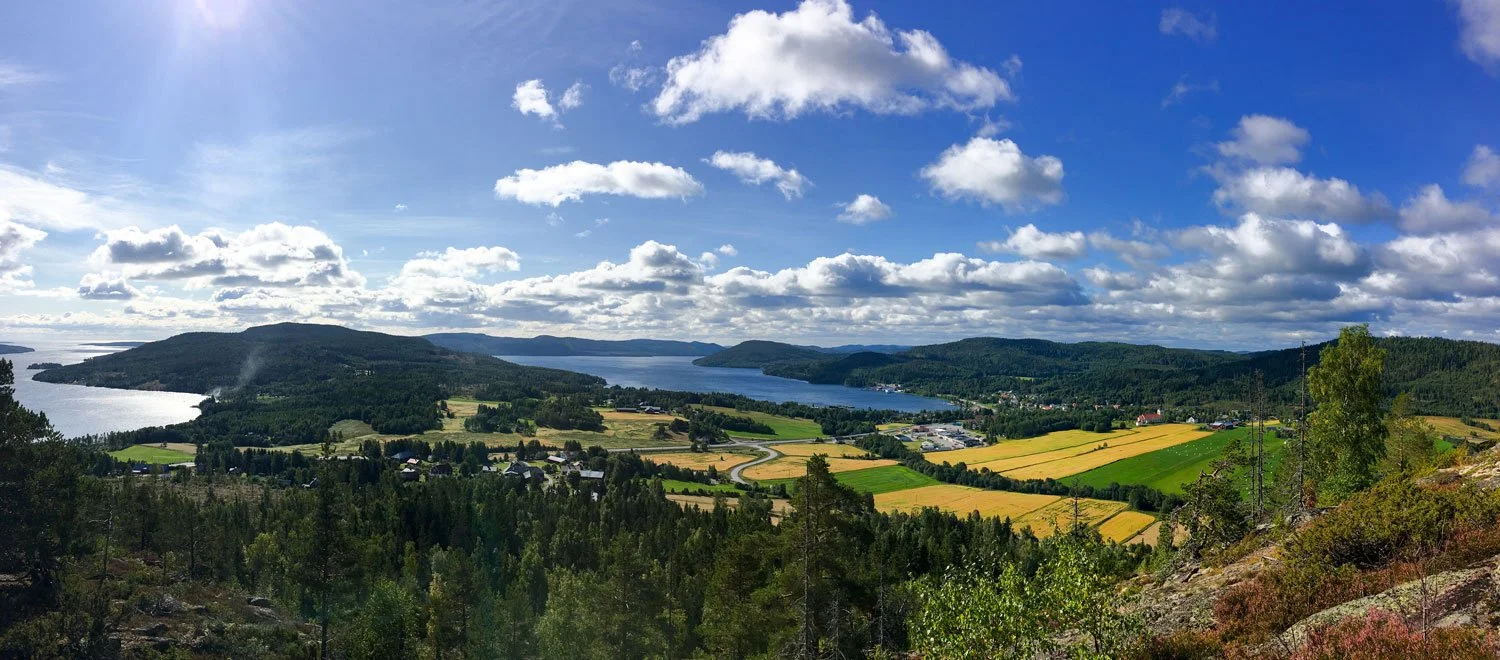
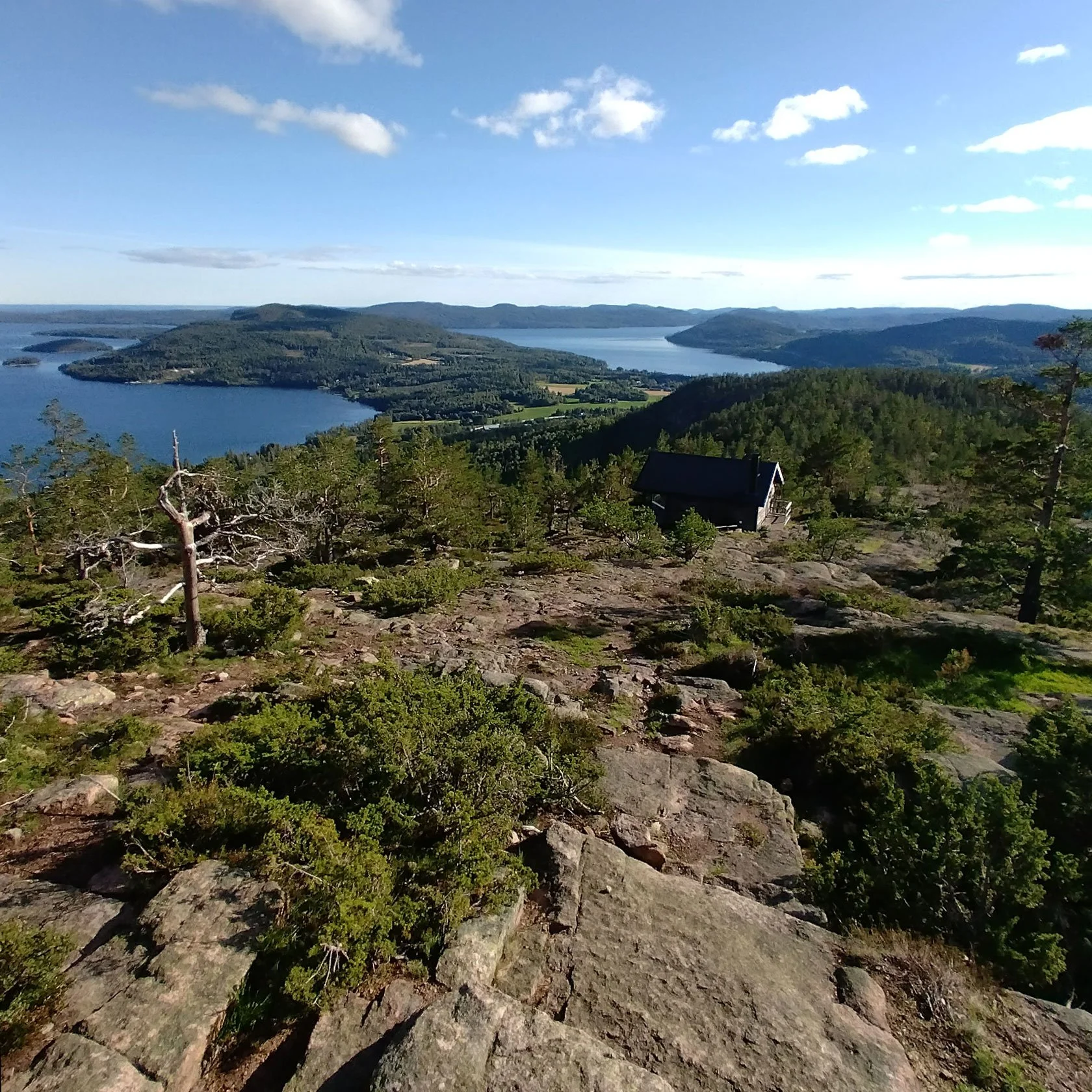
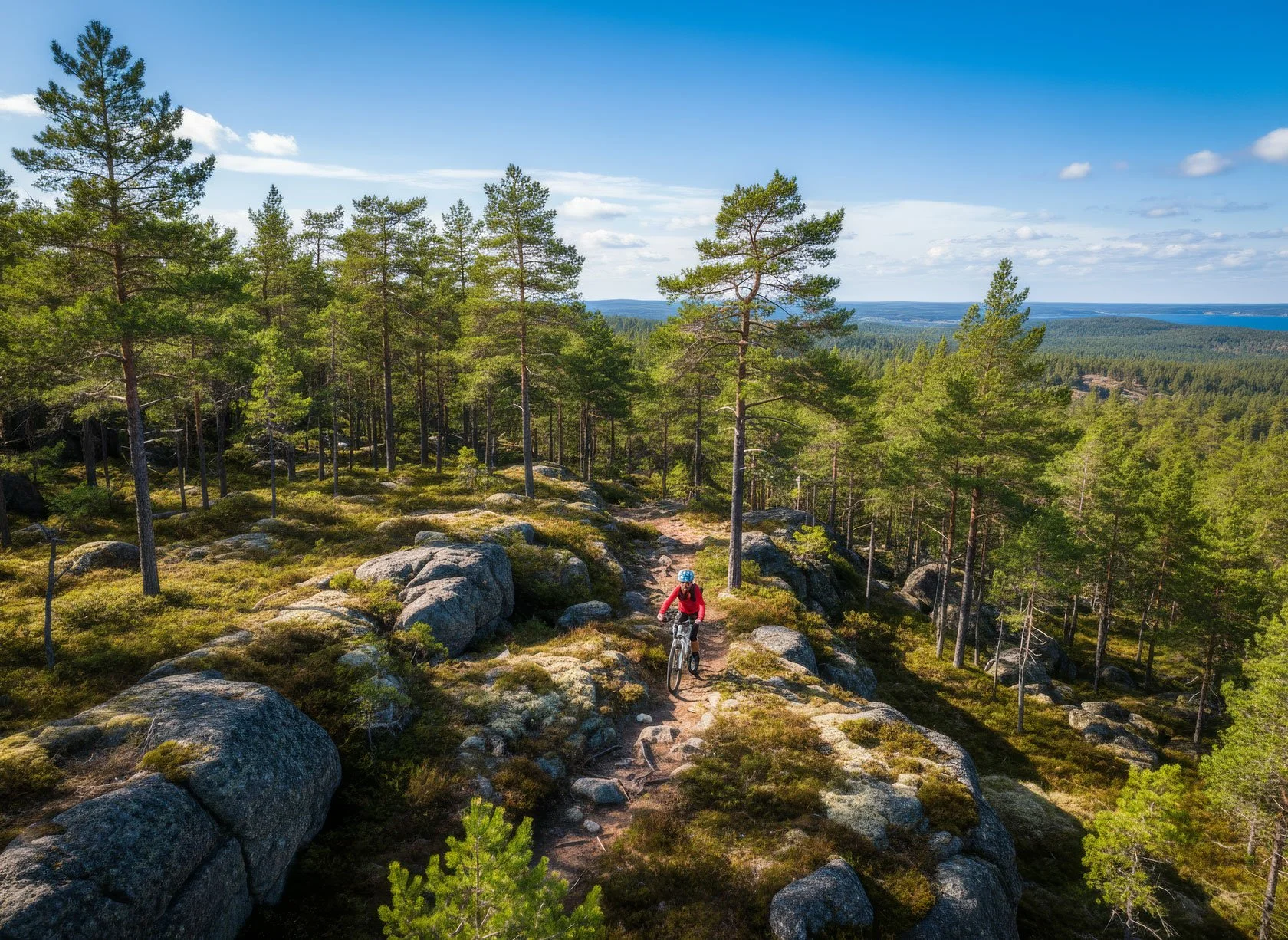
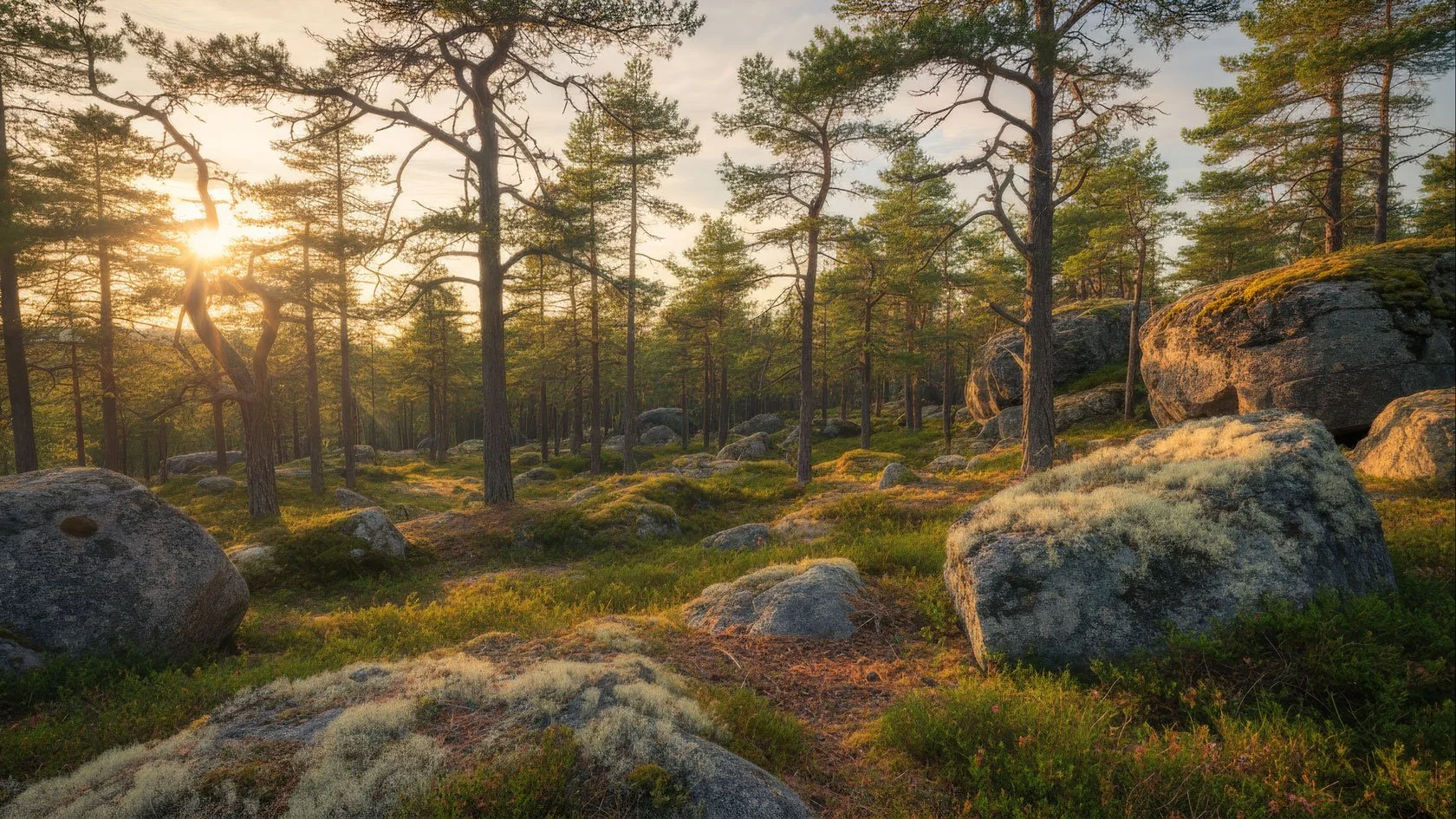
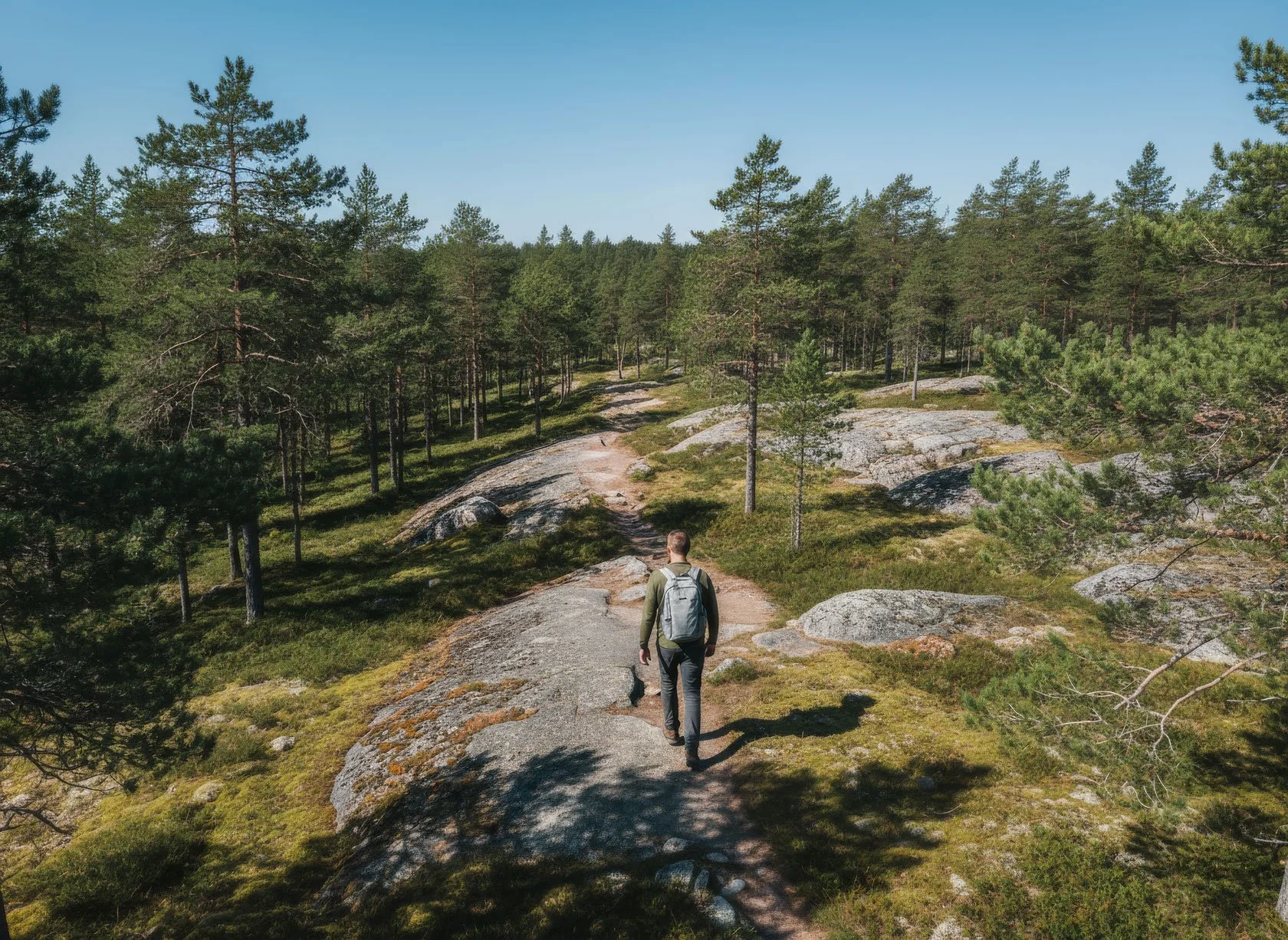
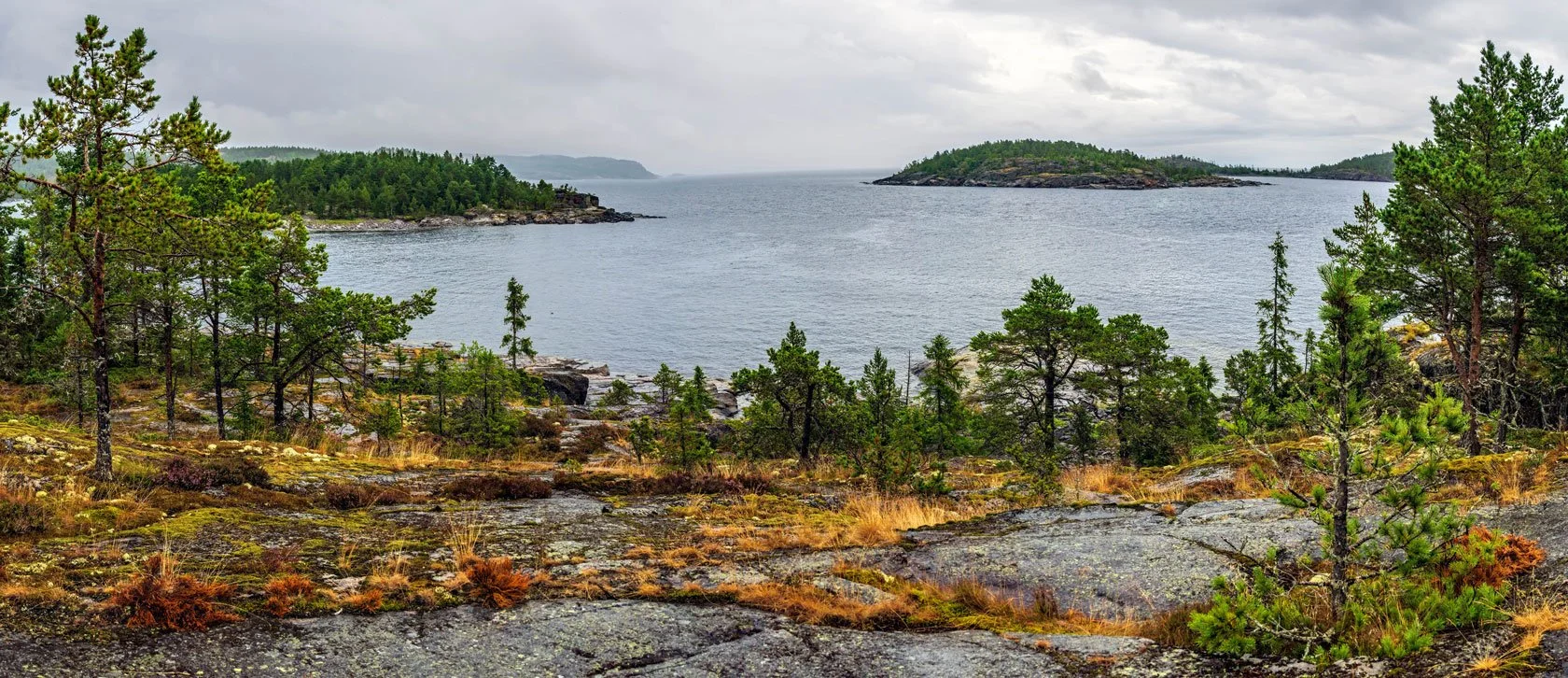
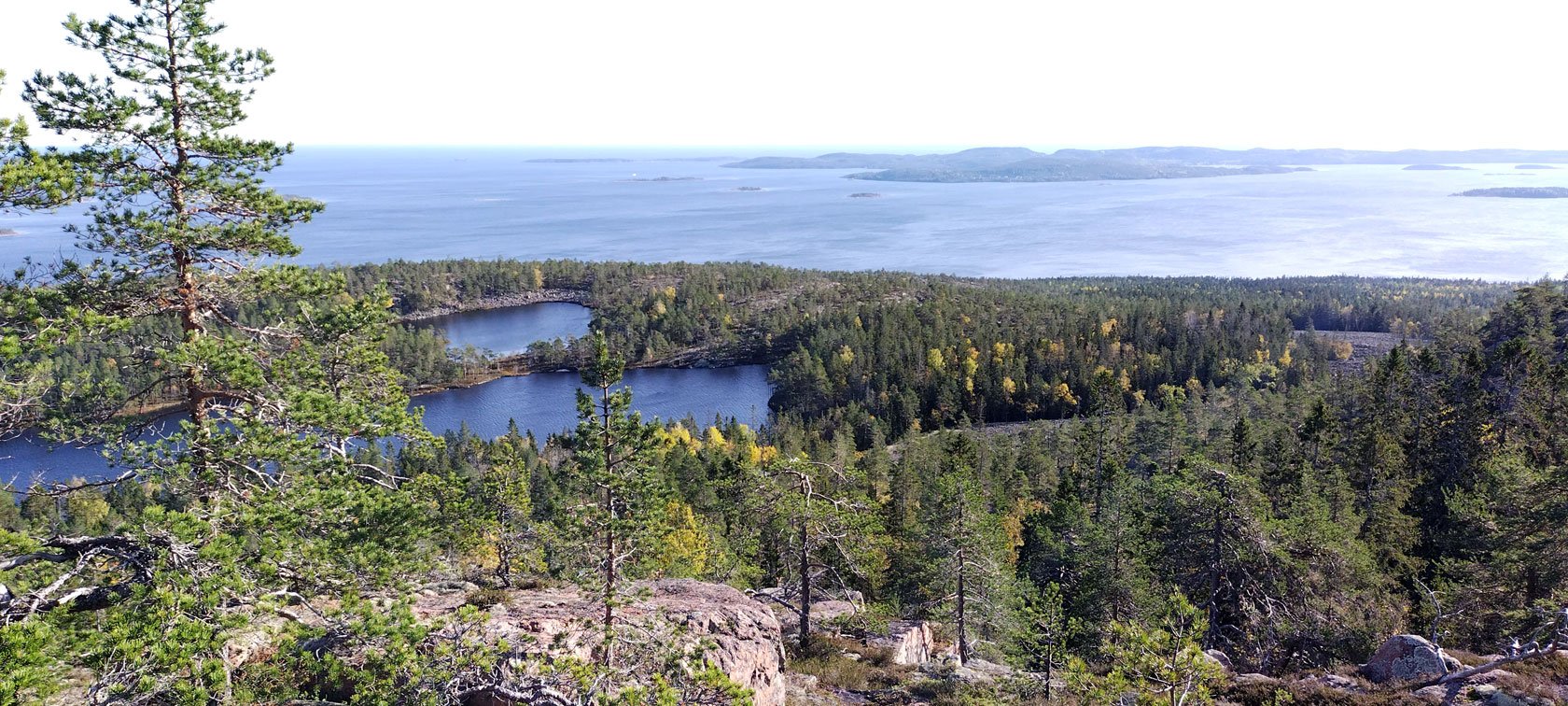
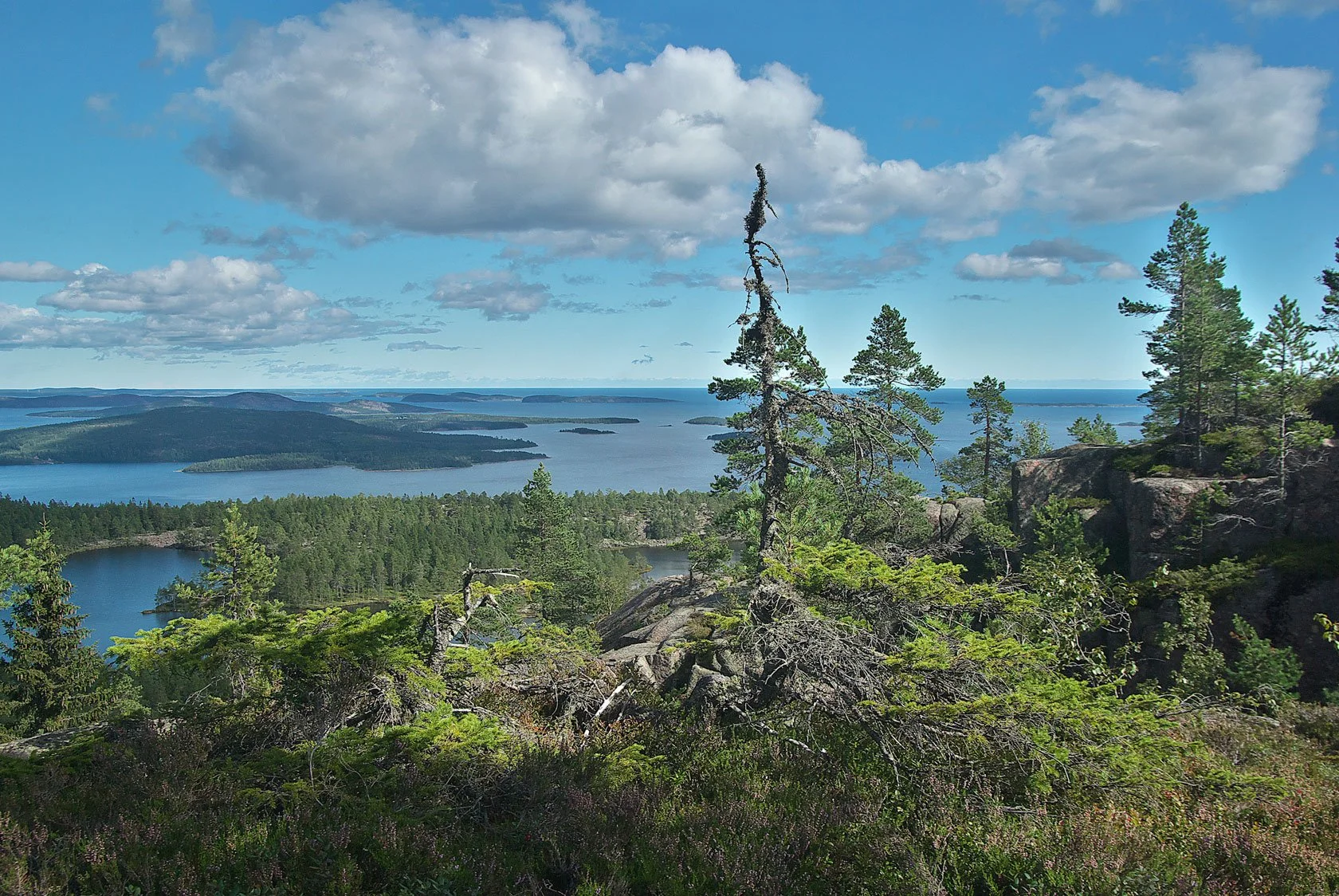
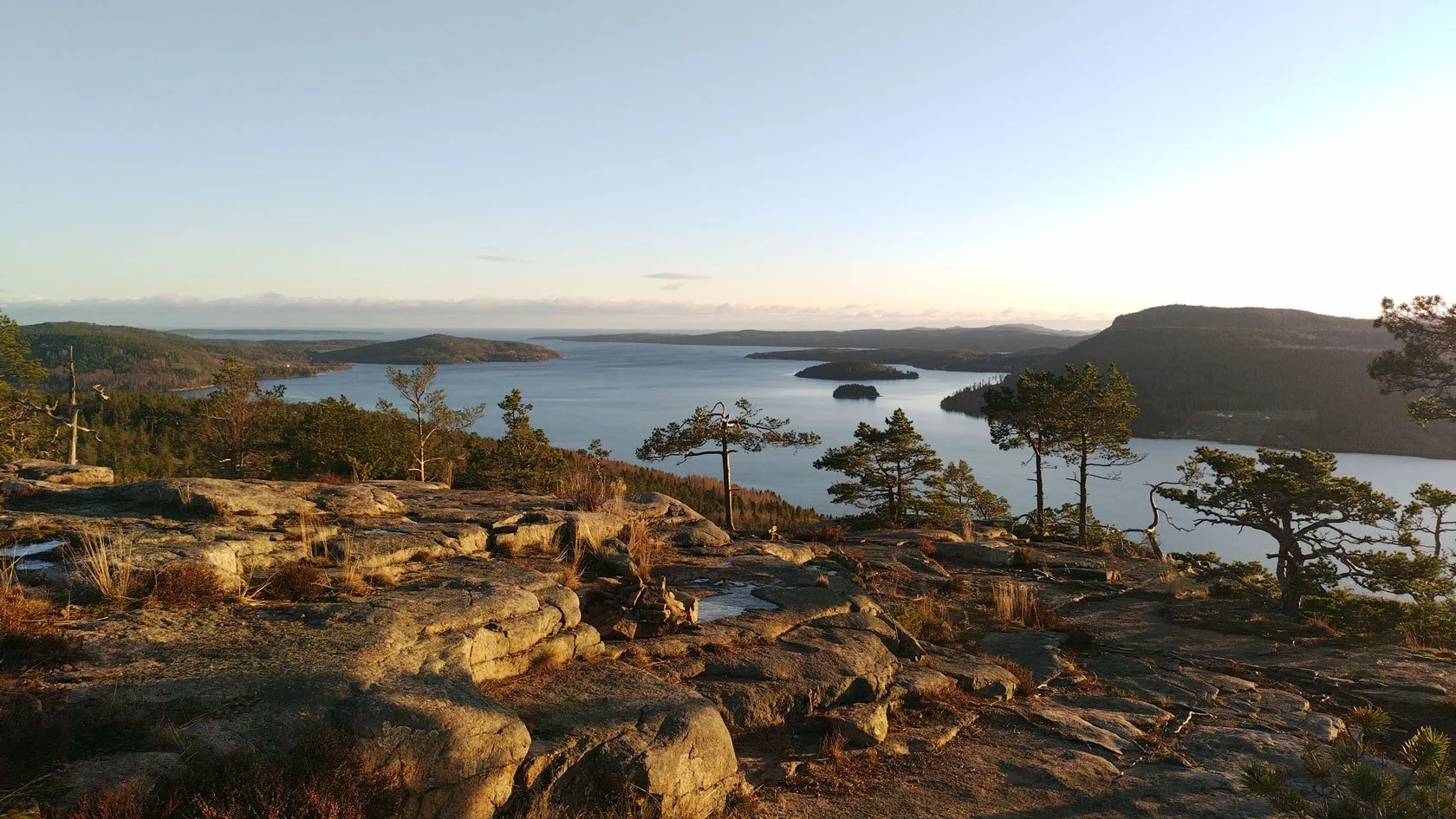
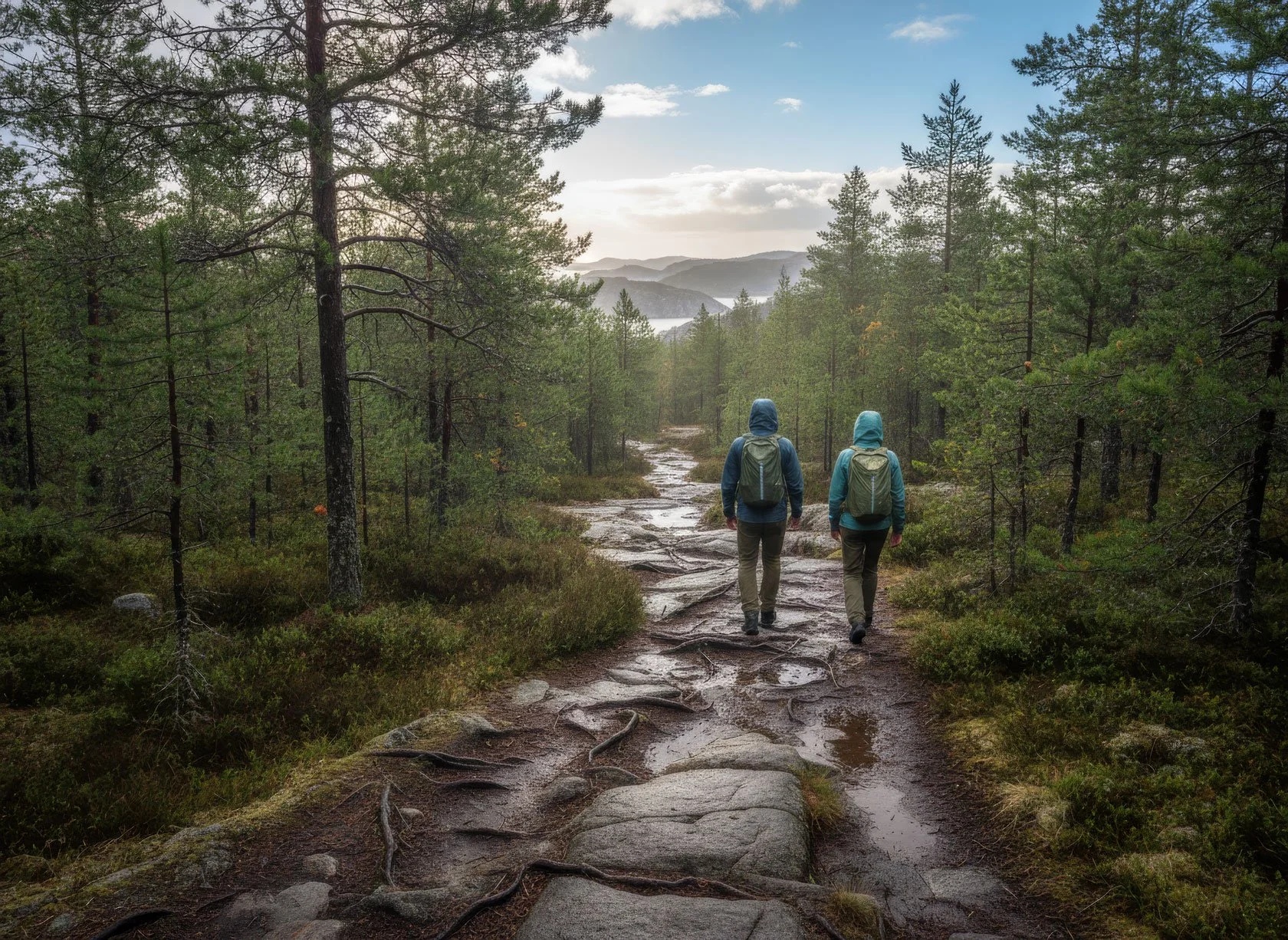
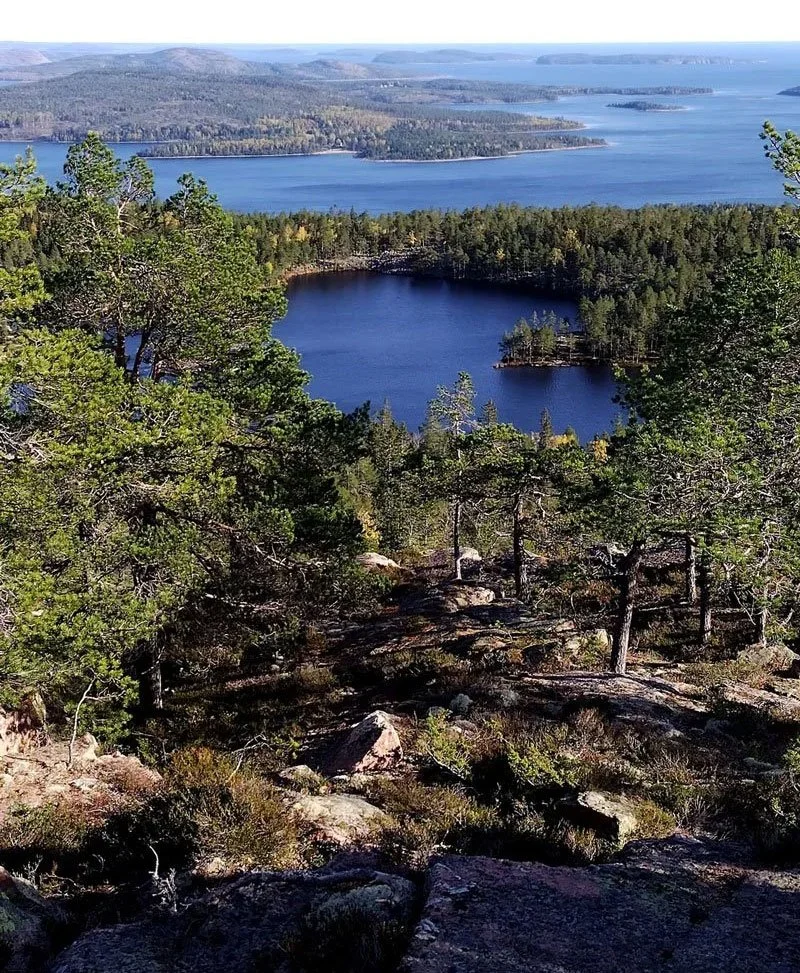
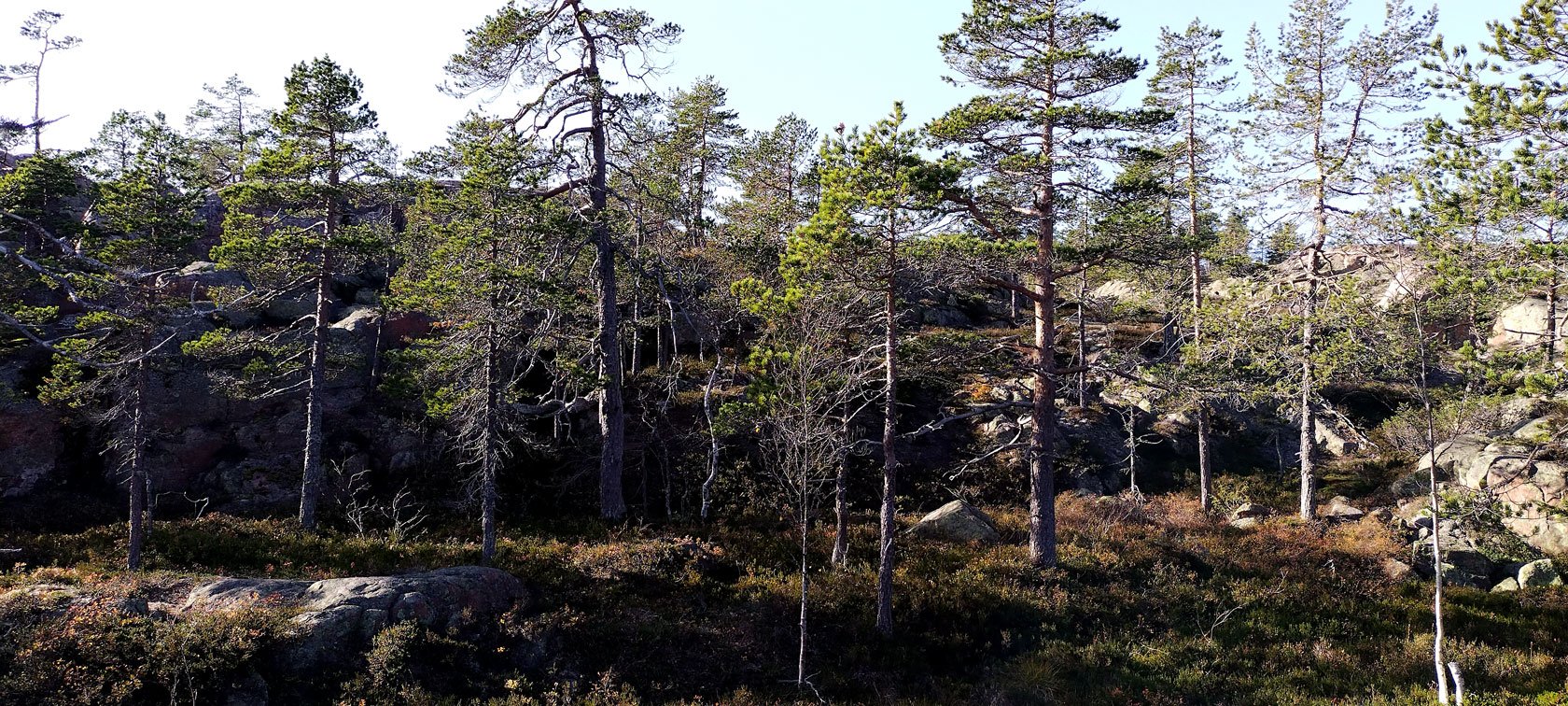
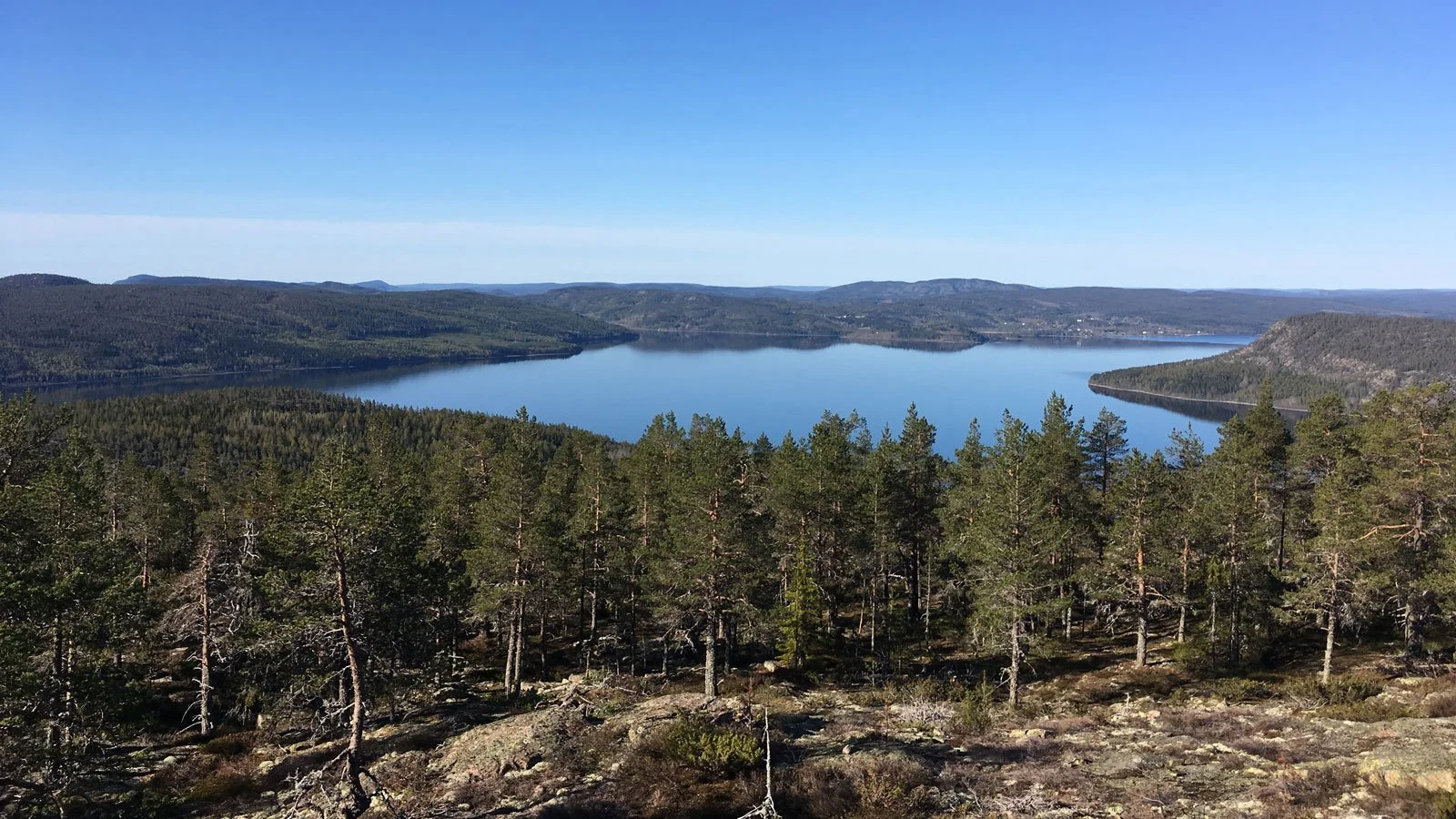
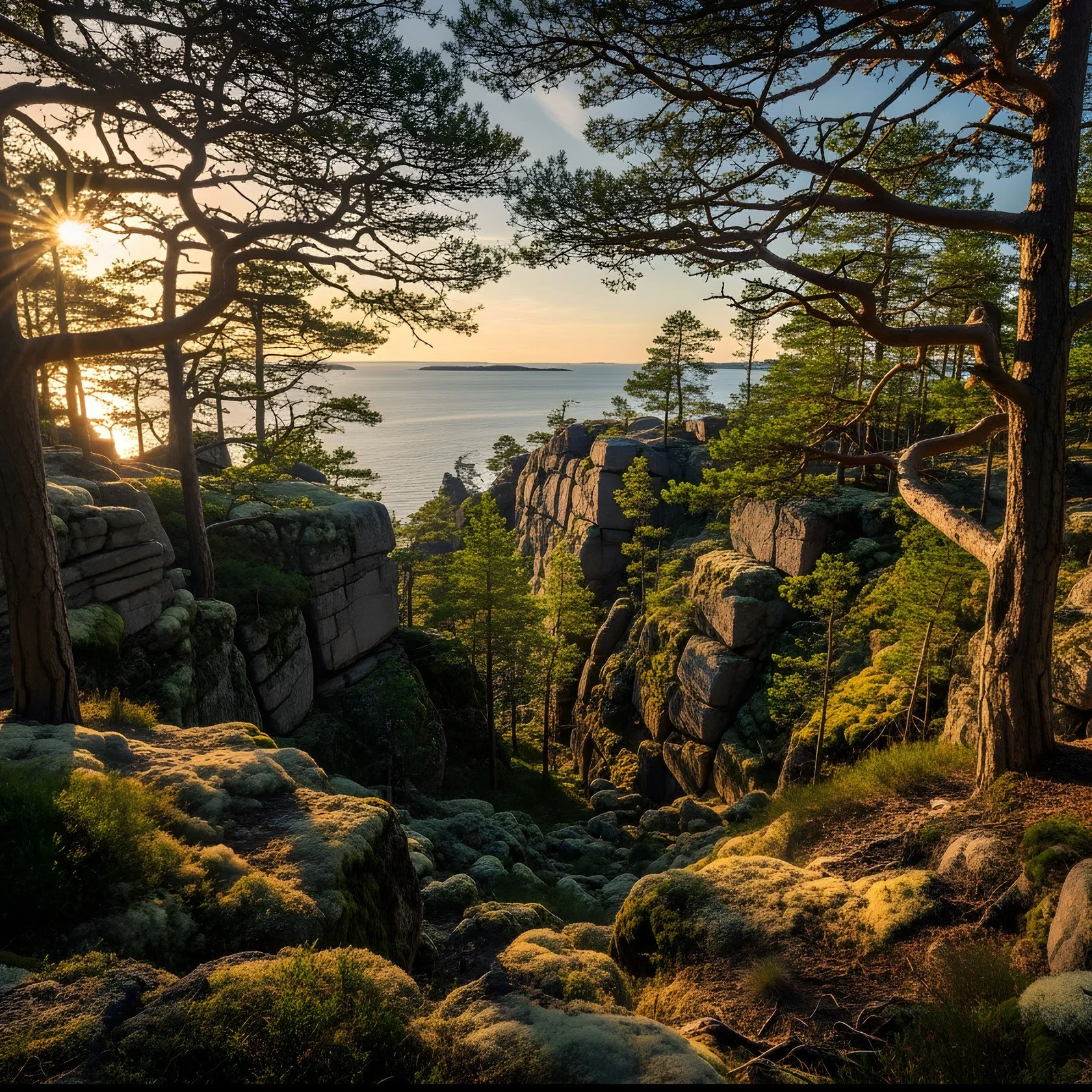
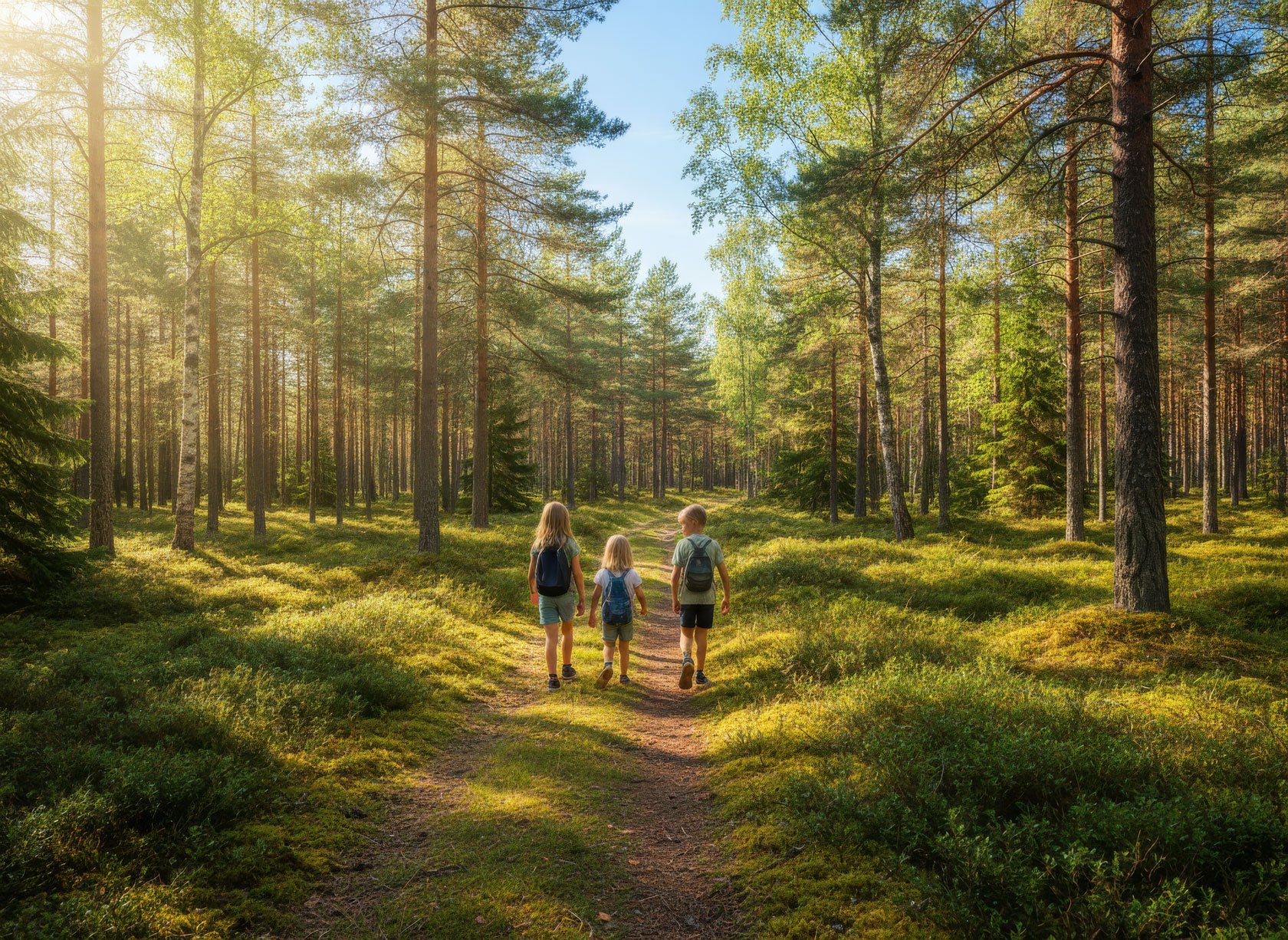
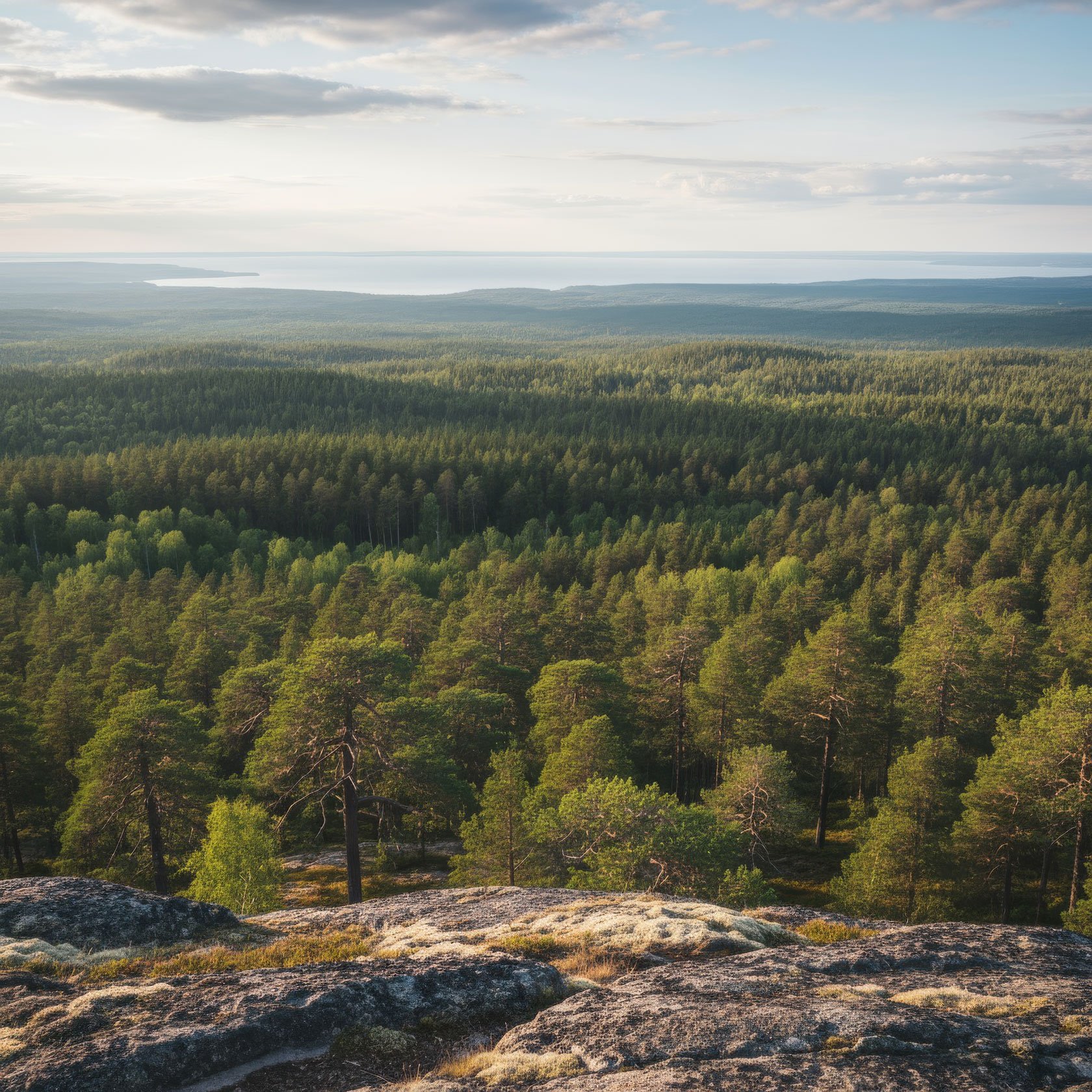
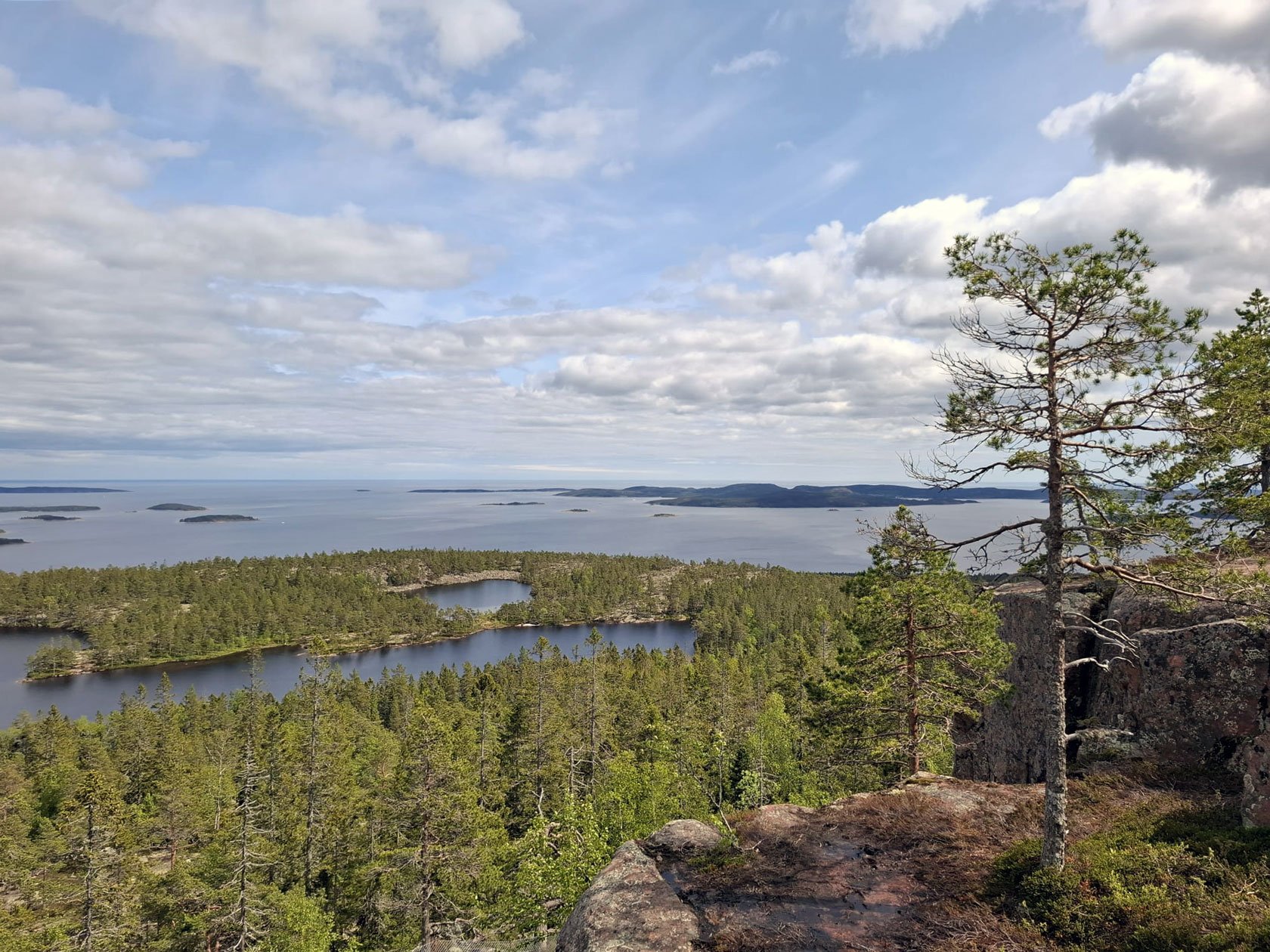
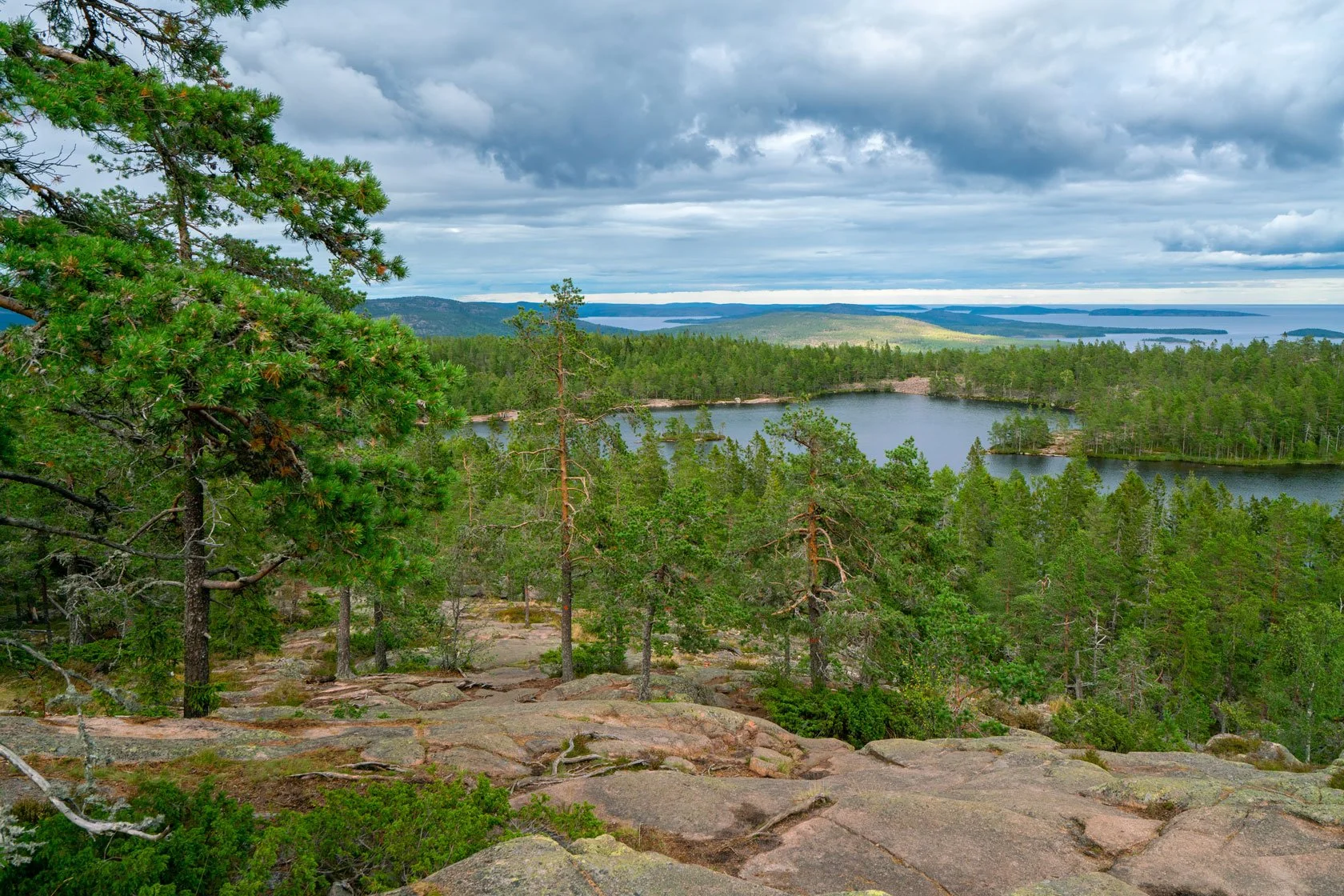
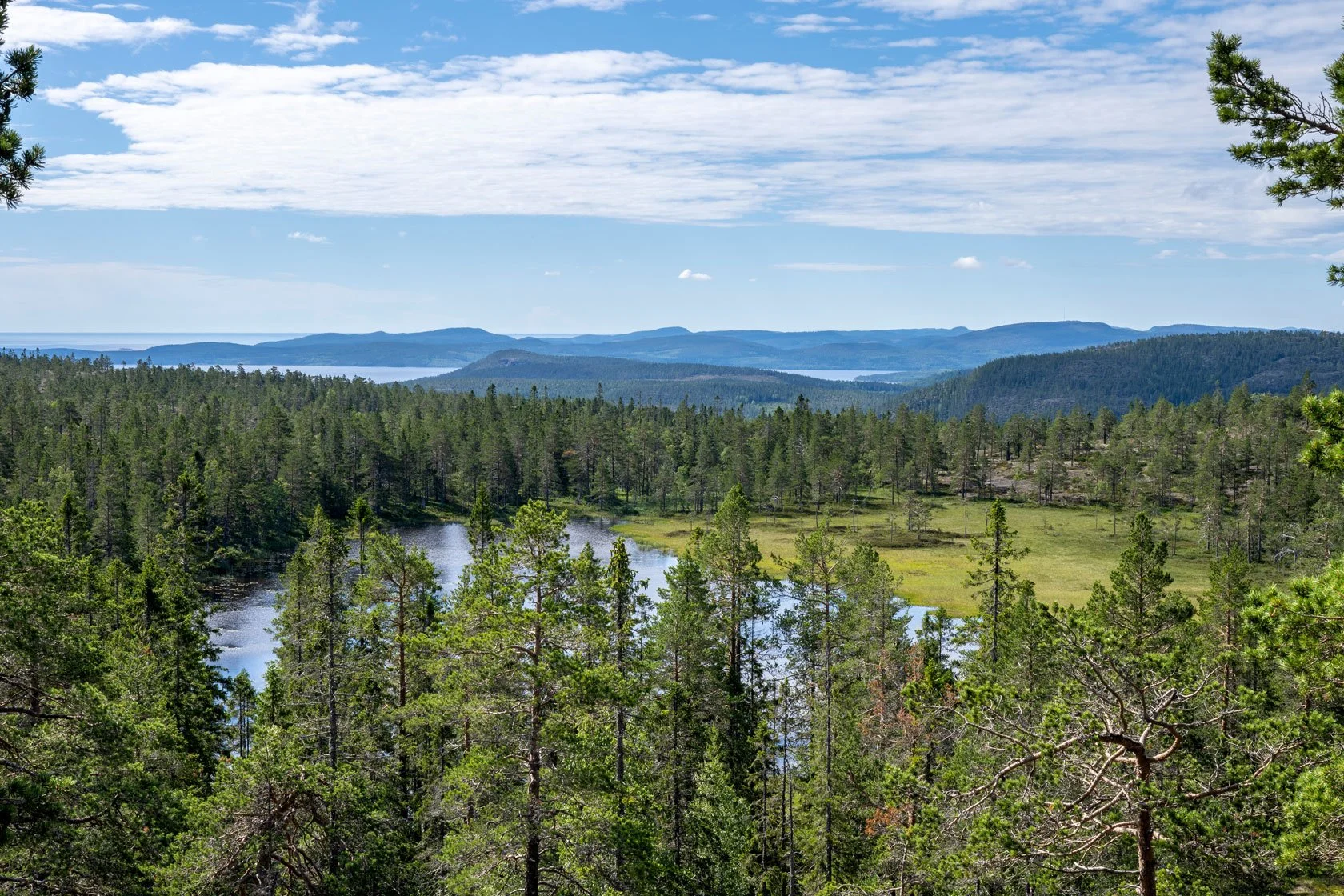
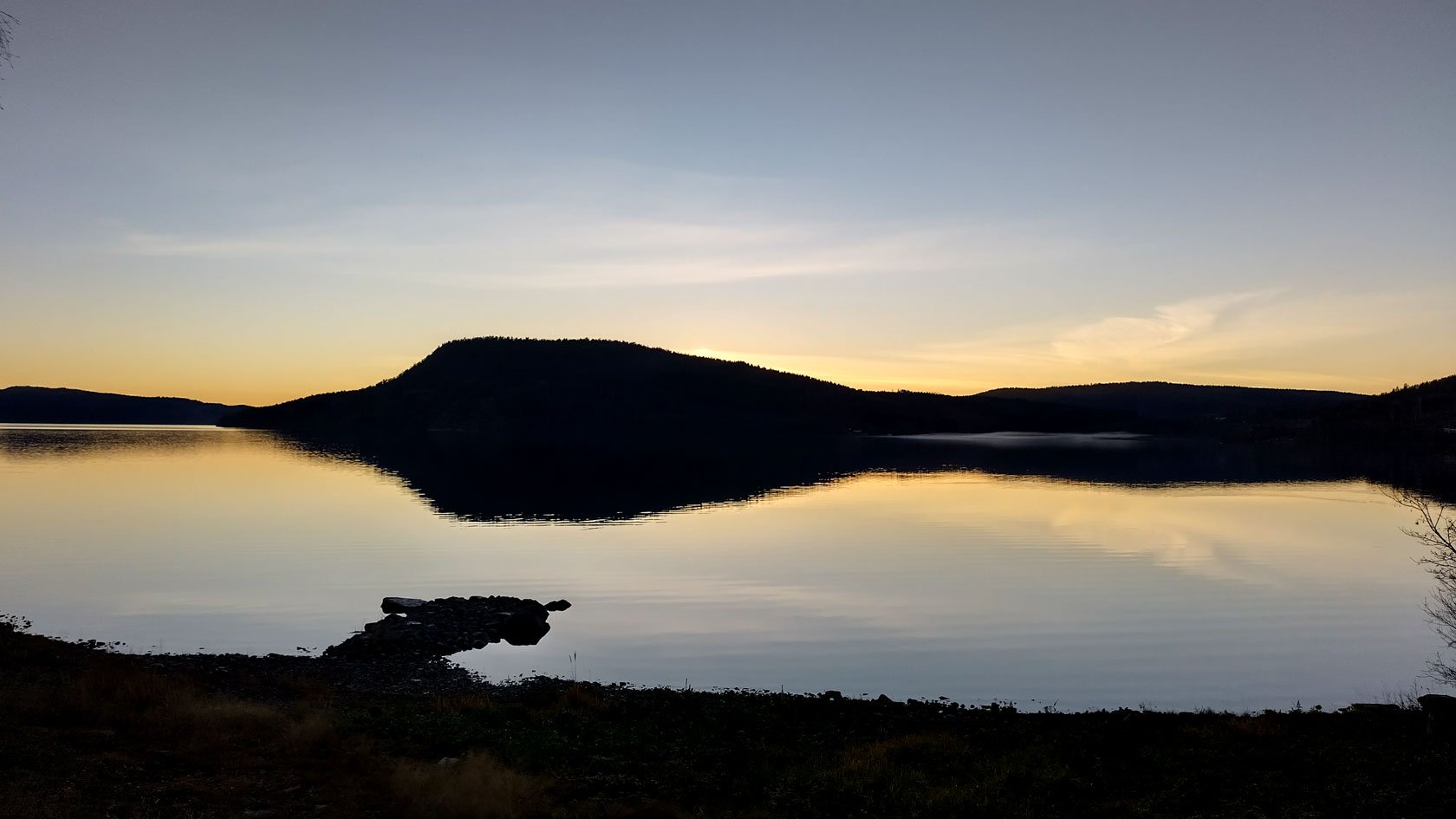
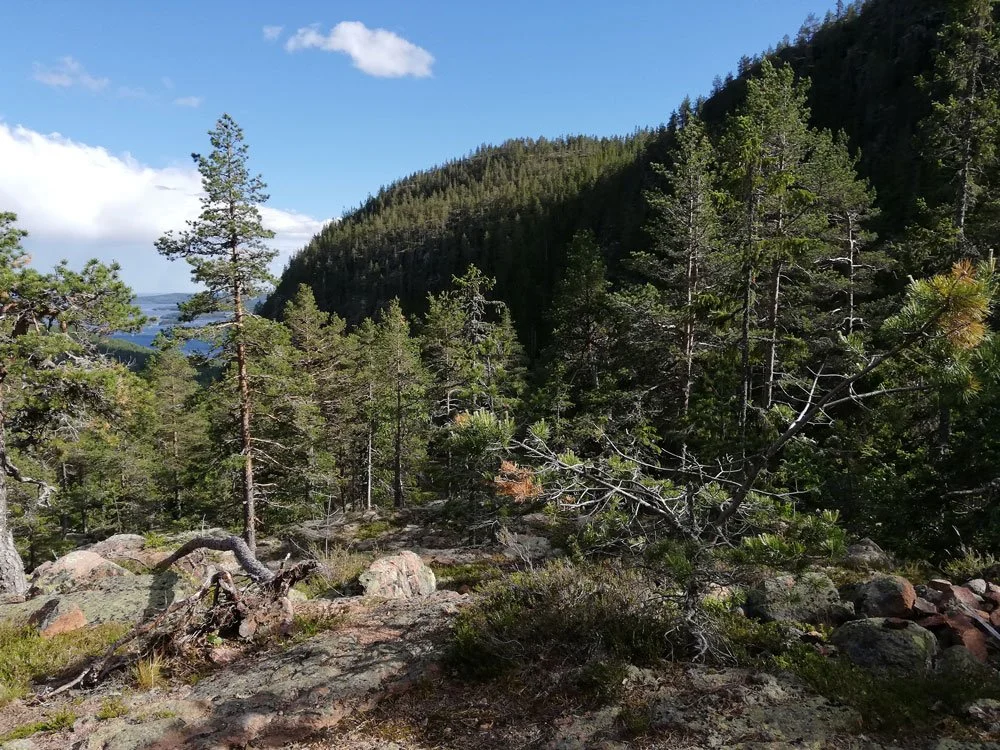
If you only stop for a quick overnight mooring, you may leave before you’ve felt what makes Höga Kusten a UNESCO World Heritage site: the short climb that opens into big views, the pine forest that quiets the mind, the simple rhythm of sea → mountain → sea.

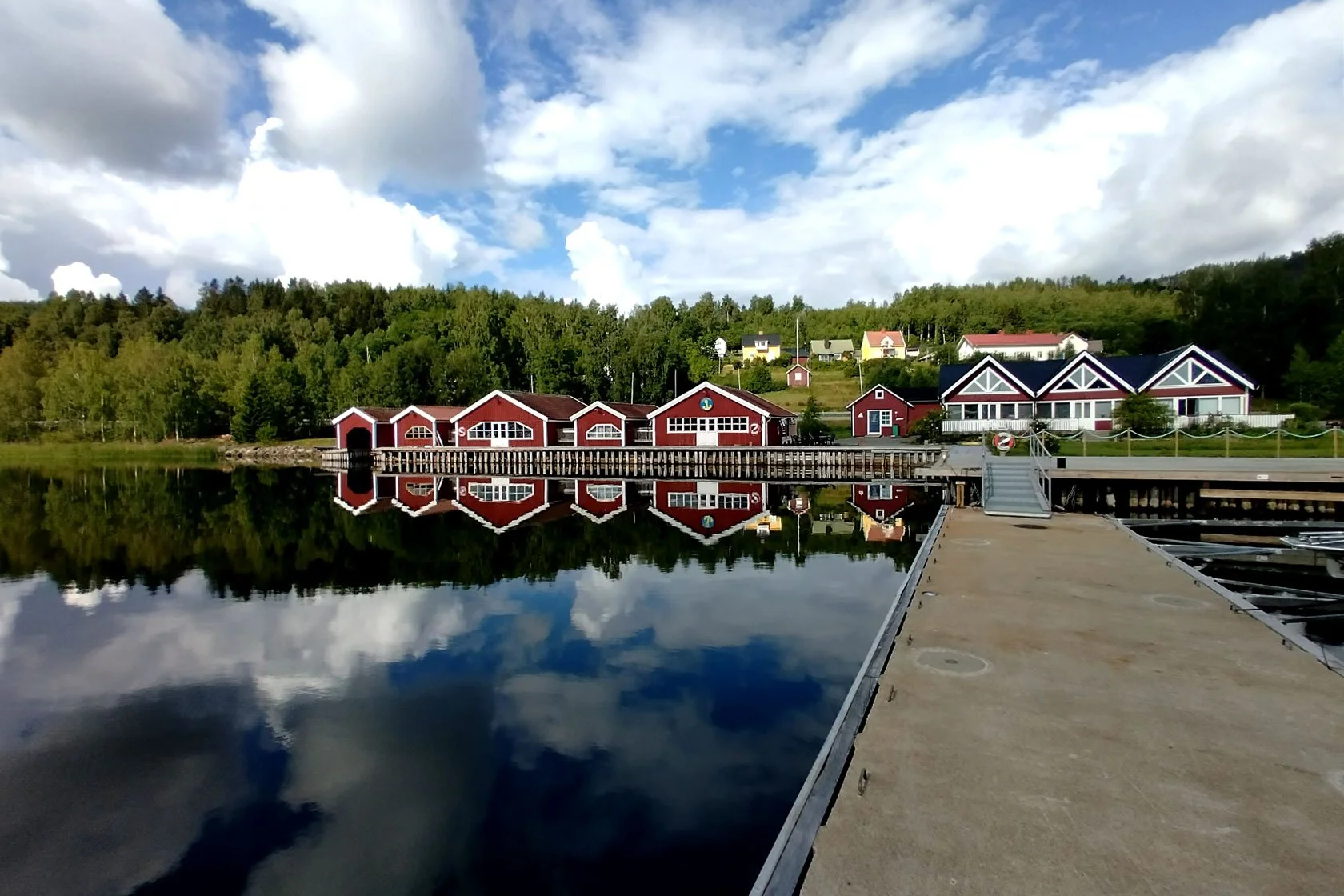
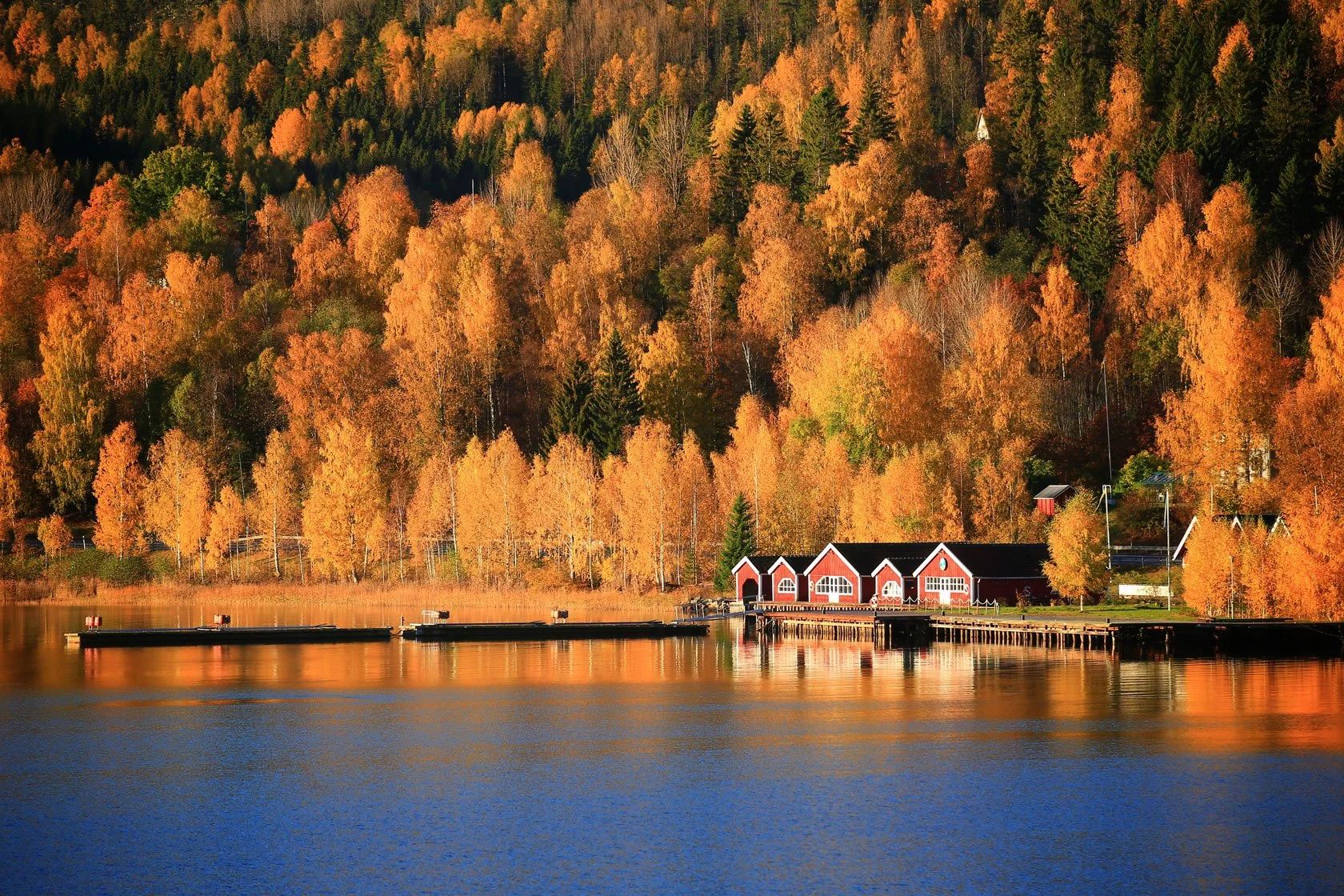
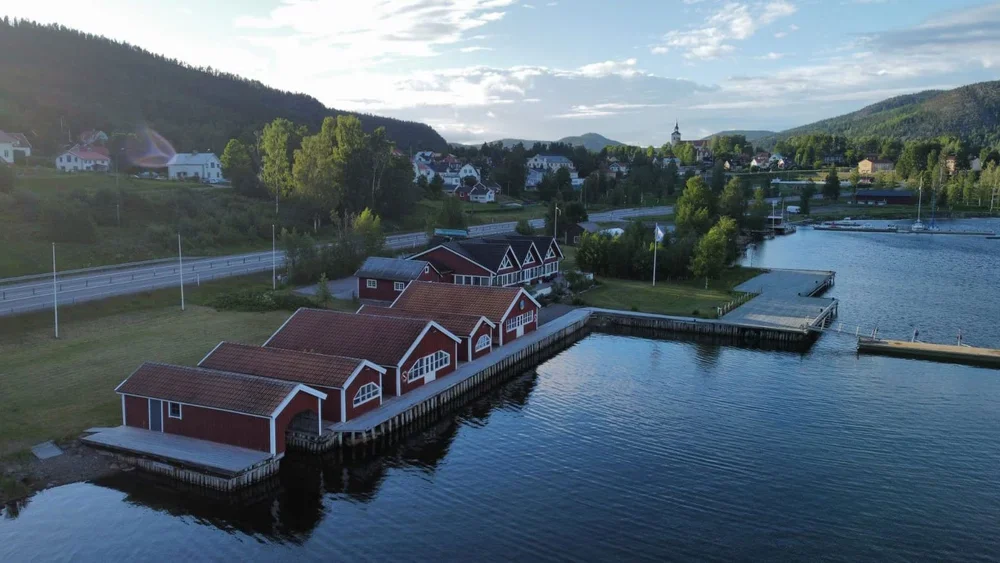
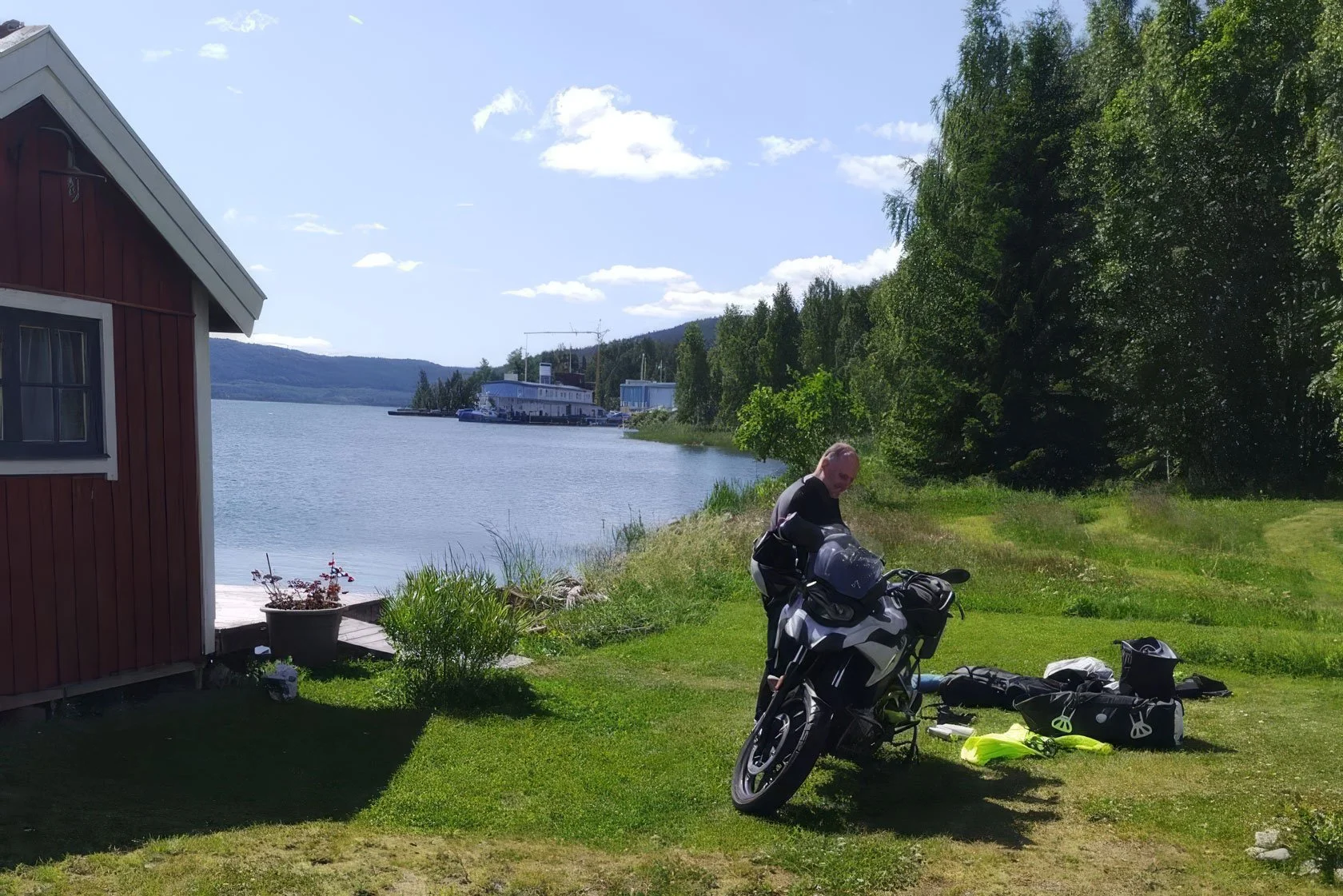
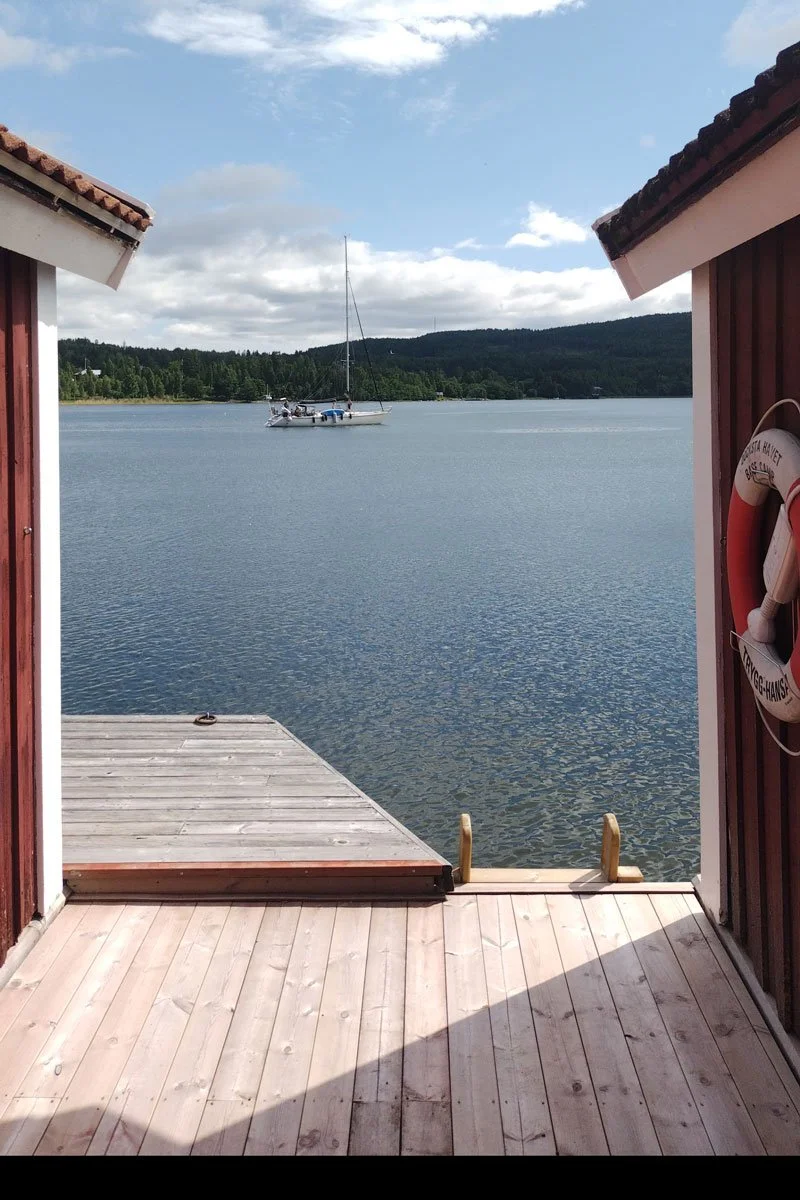
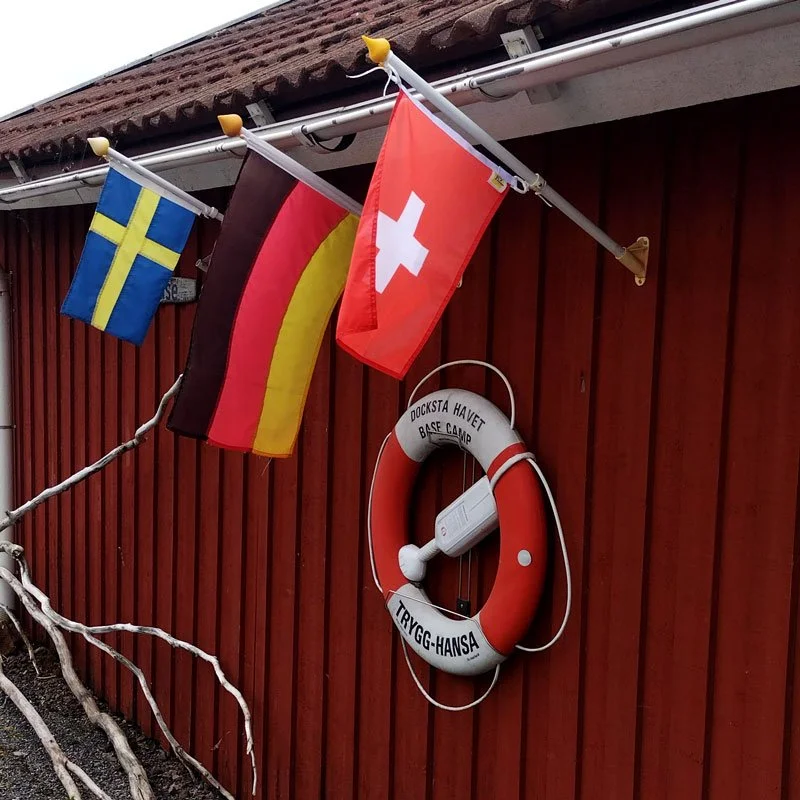
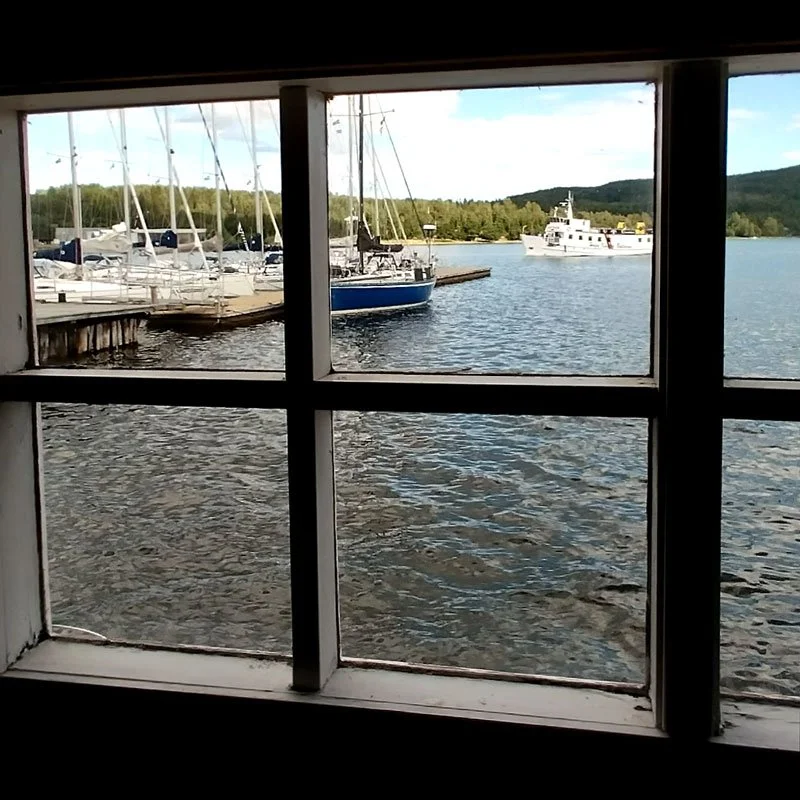
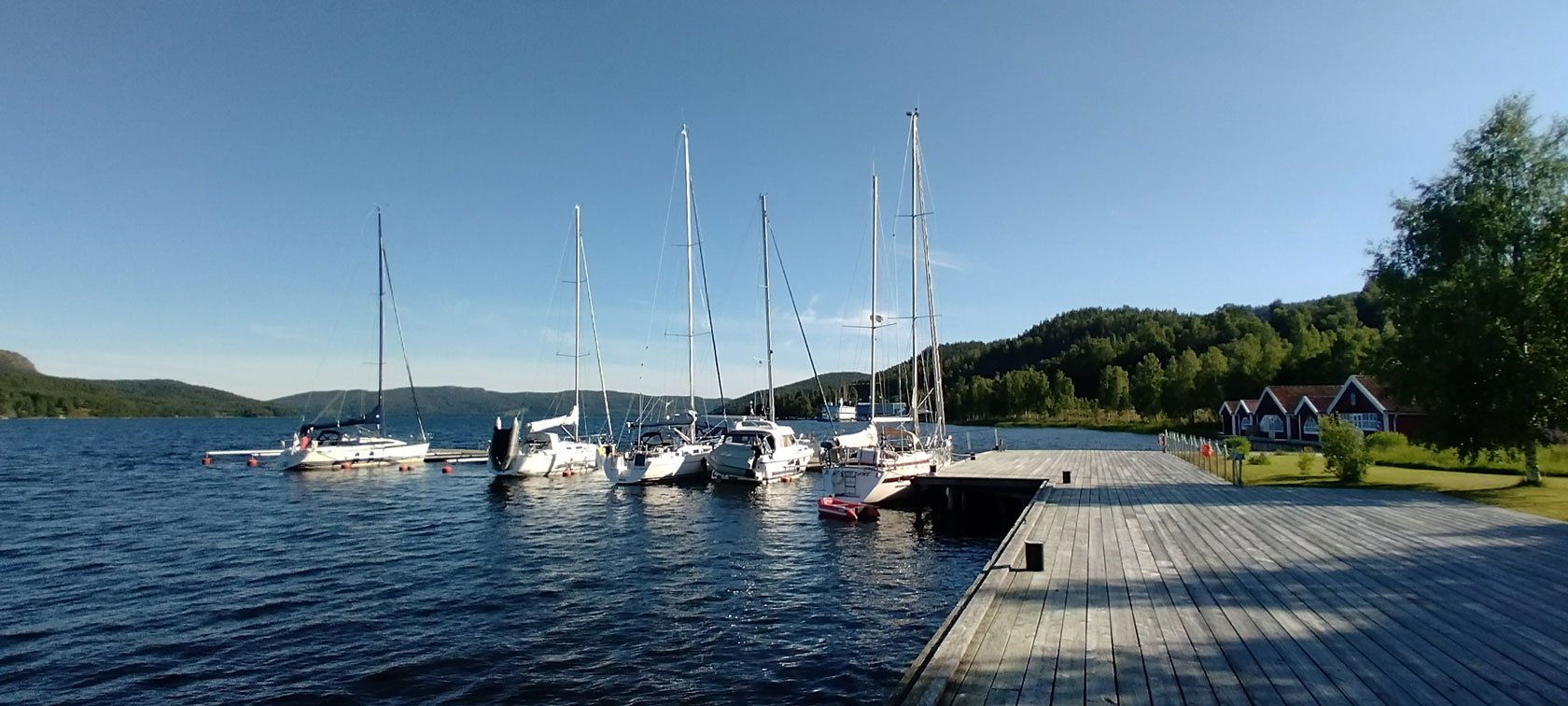
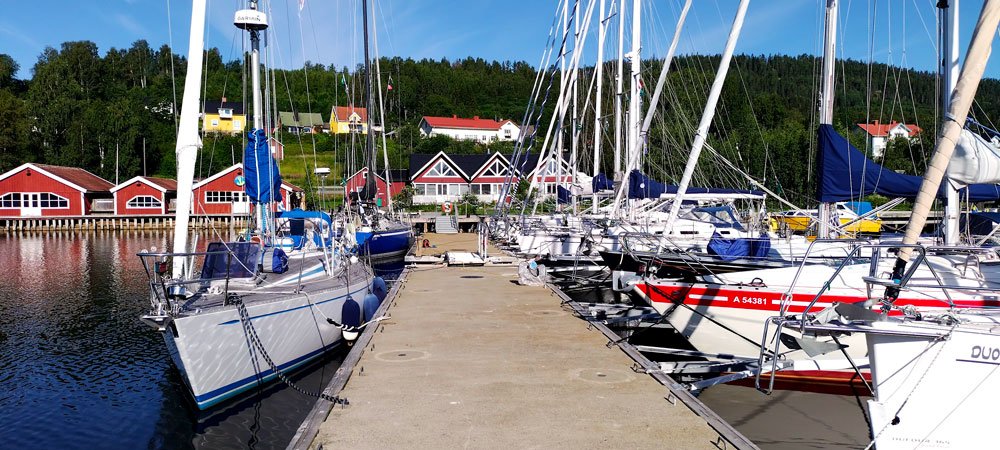
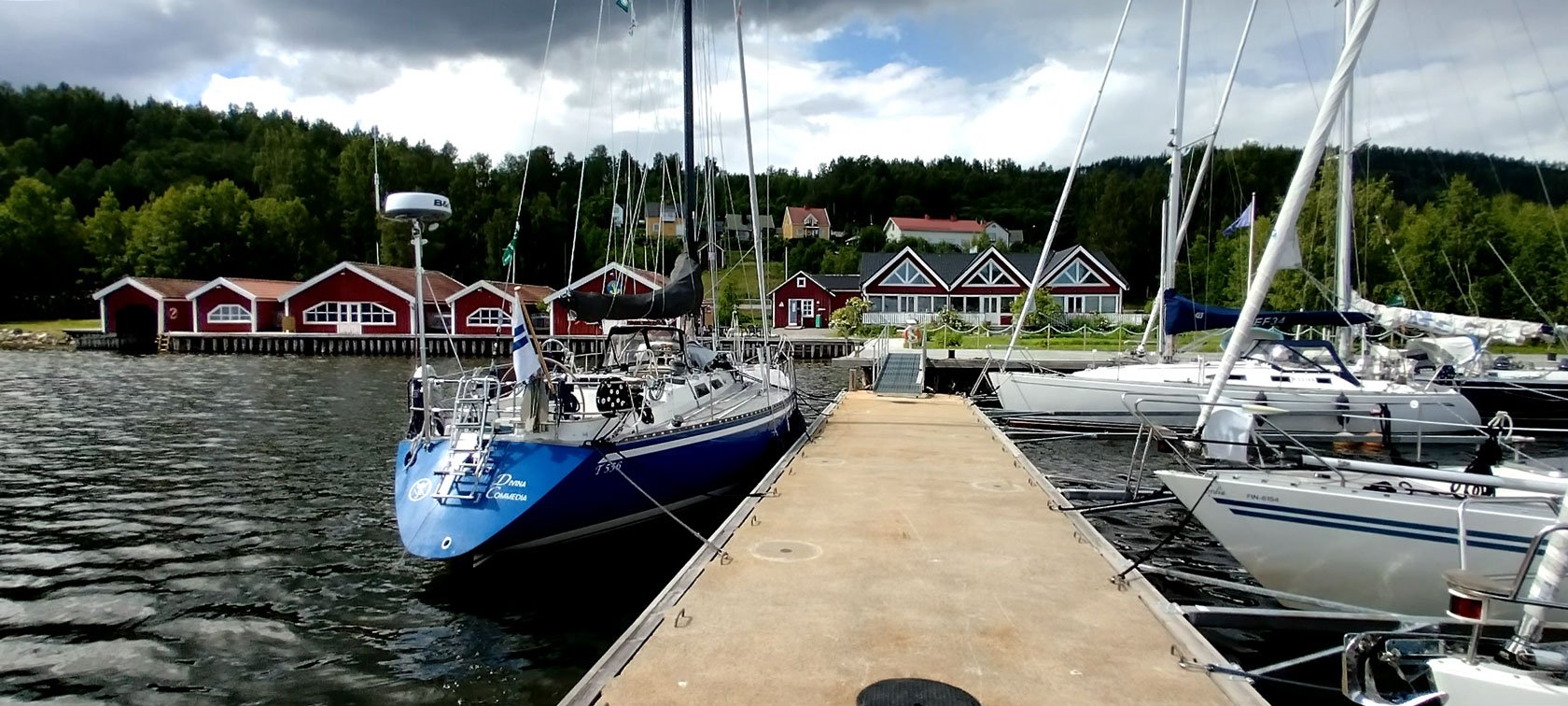
Docksta Havet is a small, calm guest harbour at the foot of Skuleberget. Since 2006, we’ve welcomed international crews who want a stop that’s both safe and useful: a practical base camp that makes it easy to explore Skuleberget and Skuleskogen — without stress, without a car, and without turning the boat into a gear warehouse.

 

Moor safely. Reset properly. Explore Skuleberget and Skuleskogen like a local — then sleep by the sea.

If you’re part of the 70% of our sailors who arrive from abroad, this is one of the simplest ways to “unlock” the High Coast in a short weather window.
Why Docksta is a smart High Coast stopover for sailors

A quick overnight berth can be perfect when you’re simply moving along the coast.

But if you’re here to discover the High Coast — especially as an international crew — what makes the difference is often not the pontoon itself. It’s the human layer: local tips, timing, and the kind of shore‑leave ideas you only get from people who know both the sea and the mountains.

We don’t believe in shouting “we’re the best.” We believe in making your stop work — and in welcoming you like a guest, not processing you like a transaction.

Here’s what makes Docksta a strong choice when you want more than a berth:

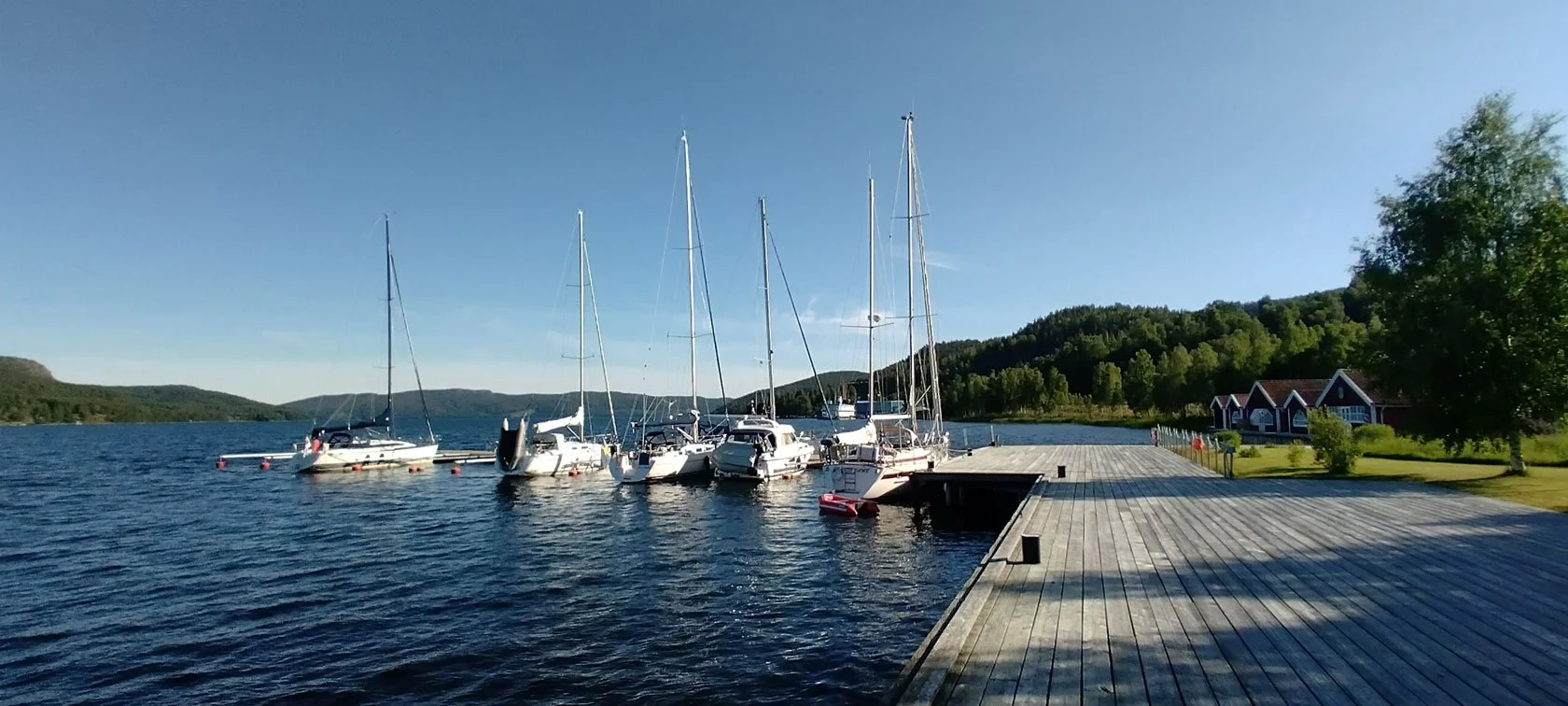
  • A protected, well-kept guest harbour with a long track record (certified 4‑star guest harbour; hosting sailors since 2006)

  • A rare location: you’re moored close to the High Coast “hot spots” — Skuleberget and Skuleskogen National Park are not “a day trip away”, they’re your backyard

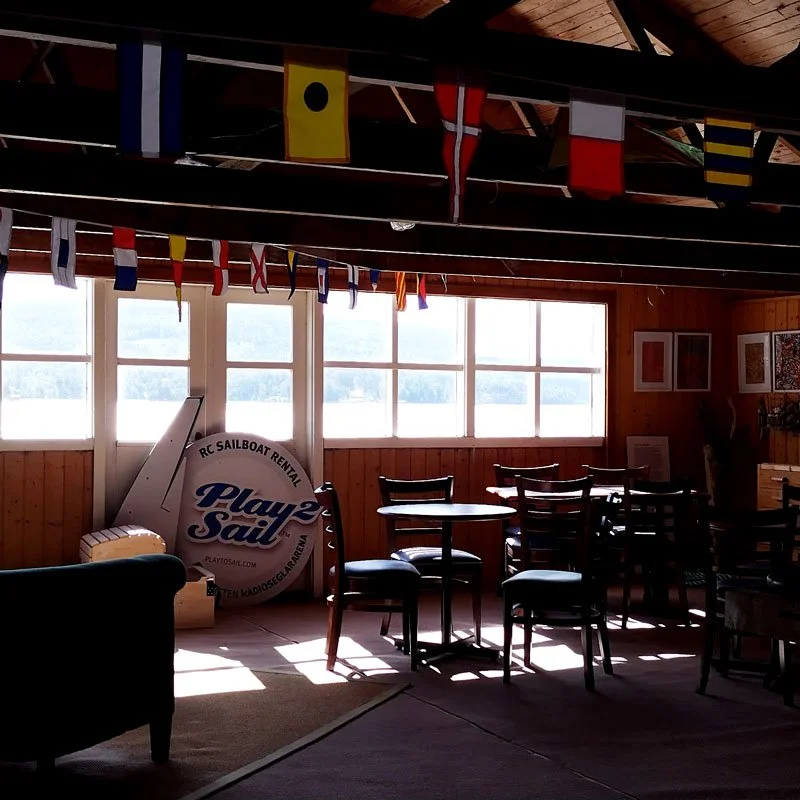
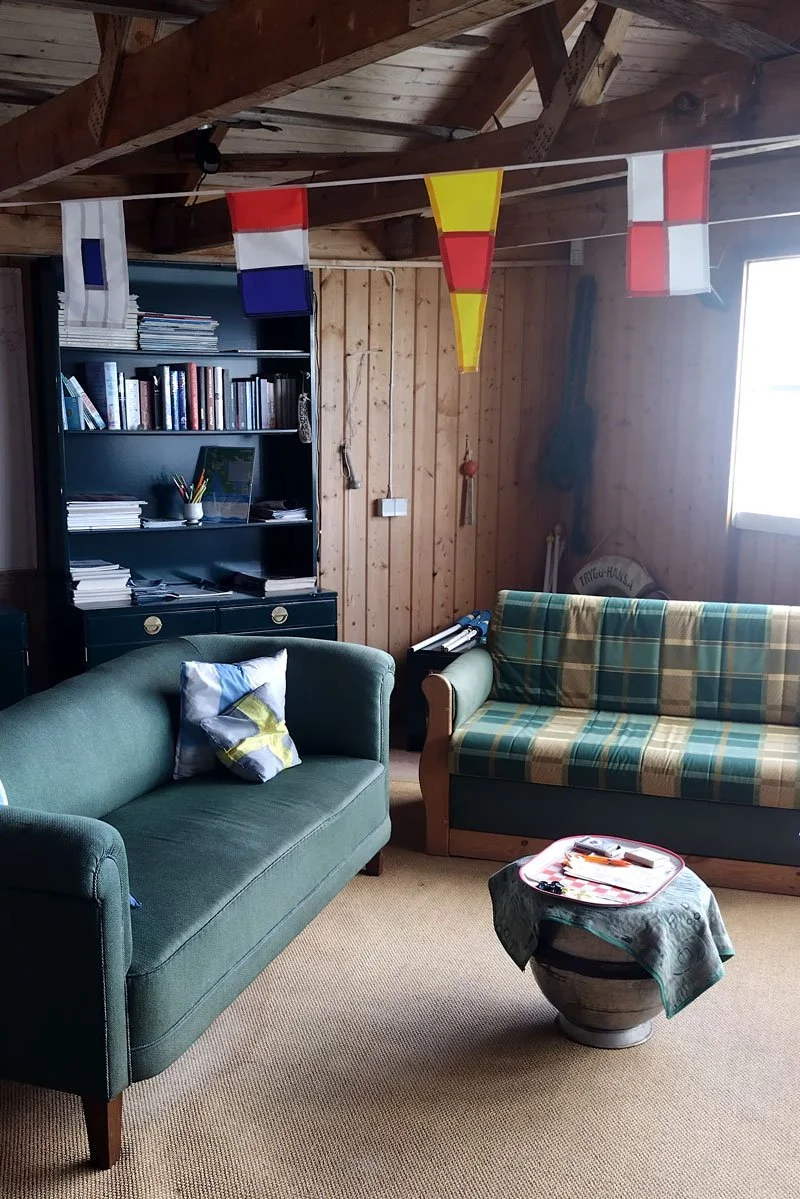
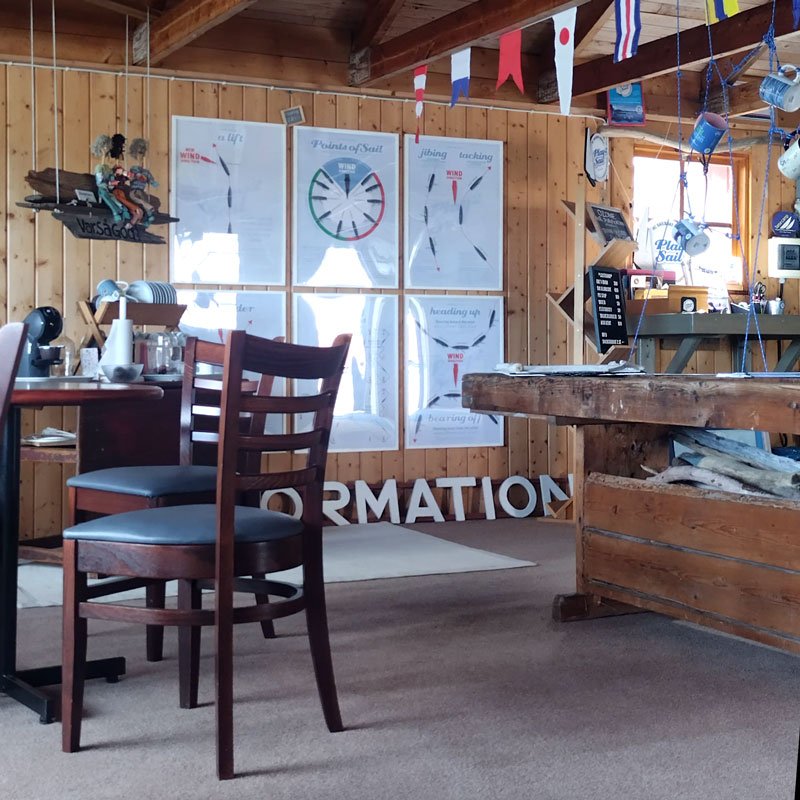
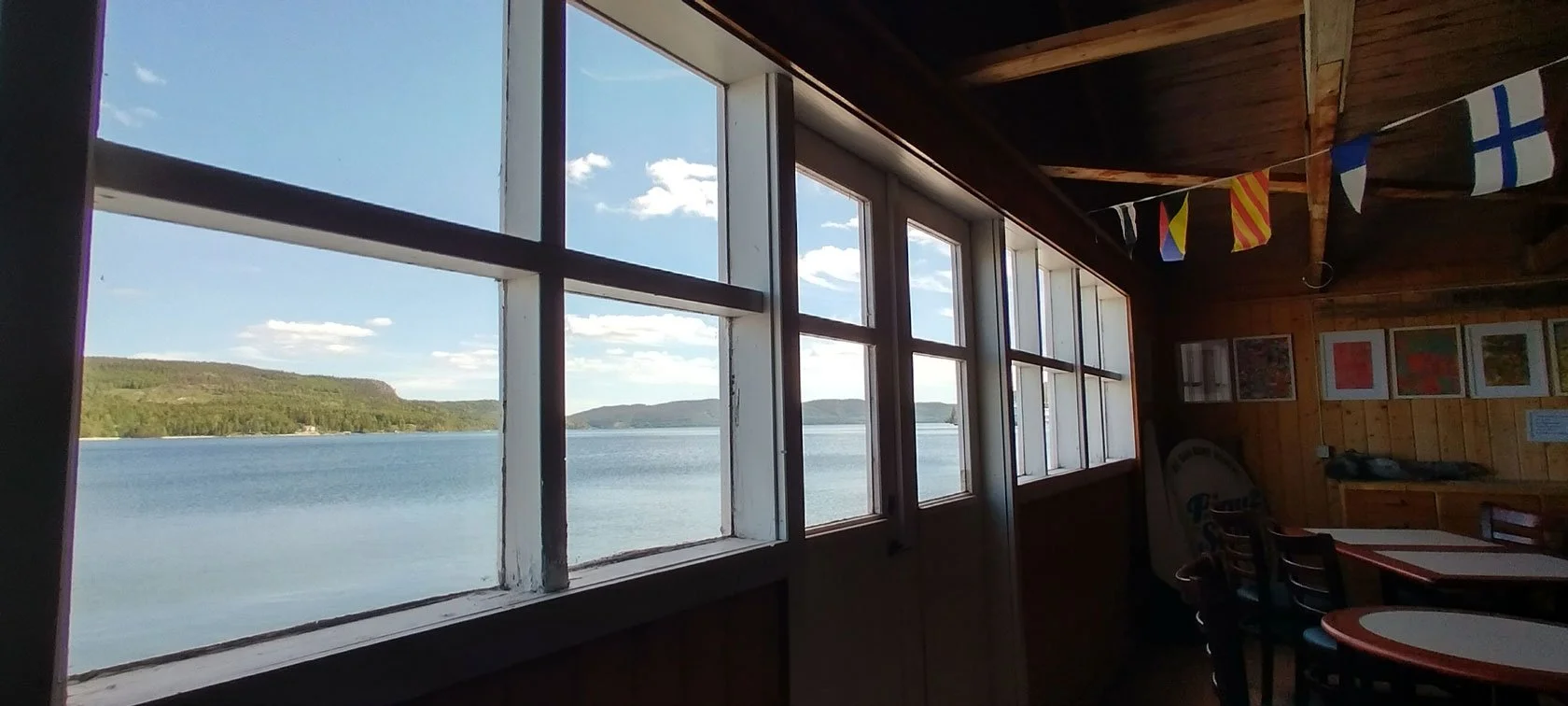
  • A real Sailors’ Club House: WiFi, espresso, calm lounge energy, practical local knowledge, and the kind of atmosphere where crews actually recover

  • Practical services that matter on a cruise: showers, toilets, laundry, dishwashing, recycling, free parking — plus bus stops and groceries just a few steps from the piers

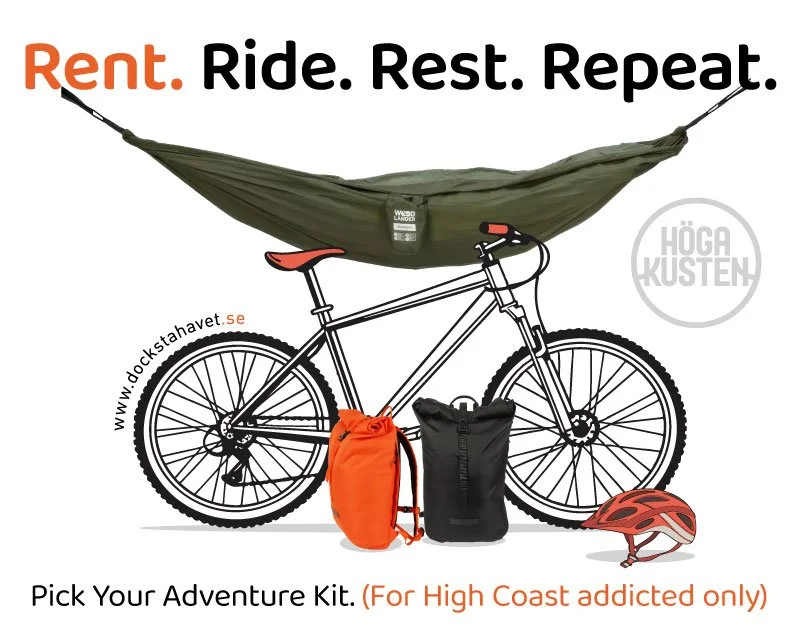
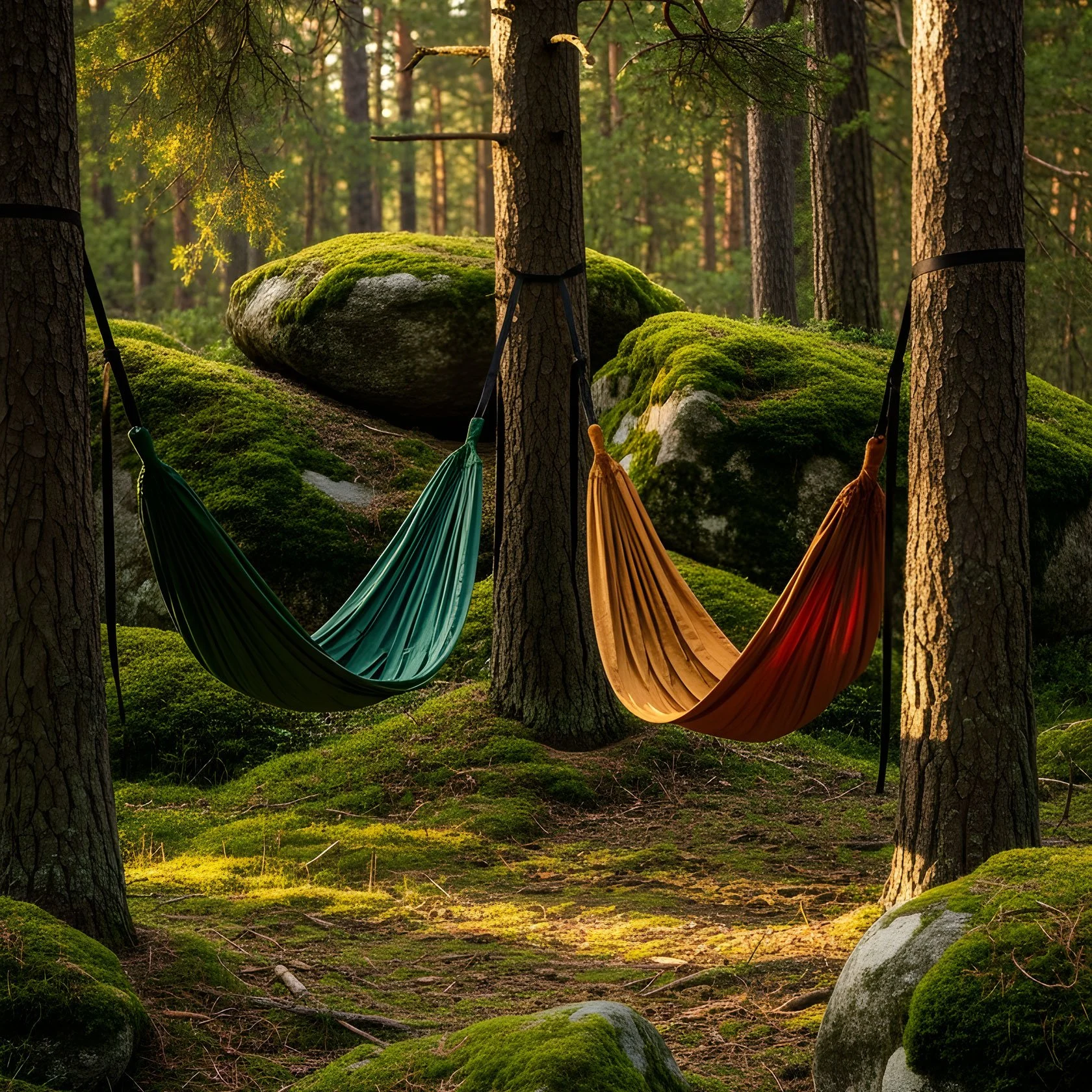
  • Outdoor Ready / Grab&Go gear so you can explore even if you didn’t pack for hiking: bikes, daypacks, hammocks, simple kits

  • Personal hosting: we don’t outsource the local expertise — we share it (and yes, we’re sailors too)
 

The High Coast problem: the window is short

In the High Coast, the best days often come in small pockets.

If your plan is “arrive late, sleep, leave early”, you’ll likely miss the summit, the forest, and the feeling that makes this coastline a World Heritage site.

That’s why we recommend a different rhythm:


The recommended rhythm: 2–3 nights (the “High Coast Stopover”)

Night 1 — Safe mooring + reset

Arrive, tie up, shower, laundry if needed, and let the crew come back to baseline.

This is not wasted time. It’s what makes the next day feel like a real expedition instead of a rushed checklist.
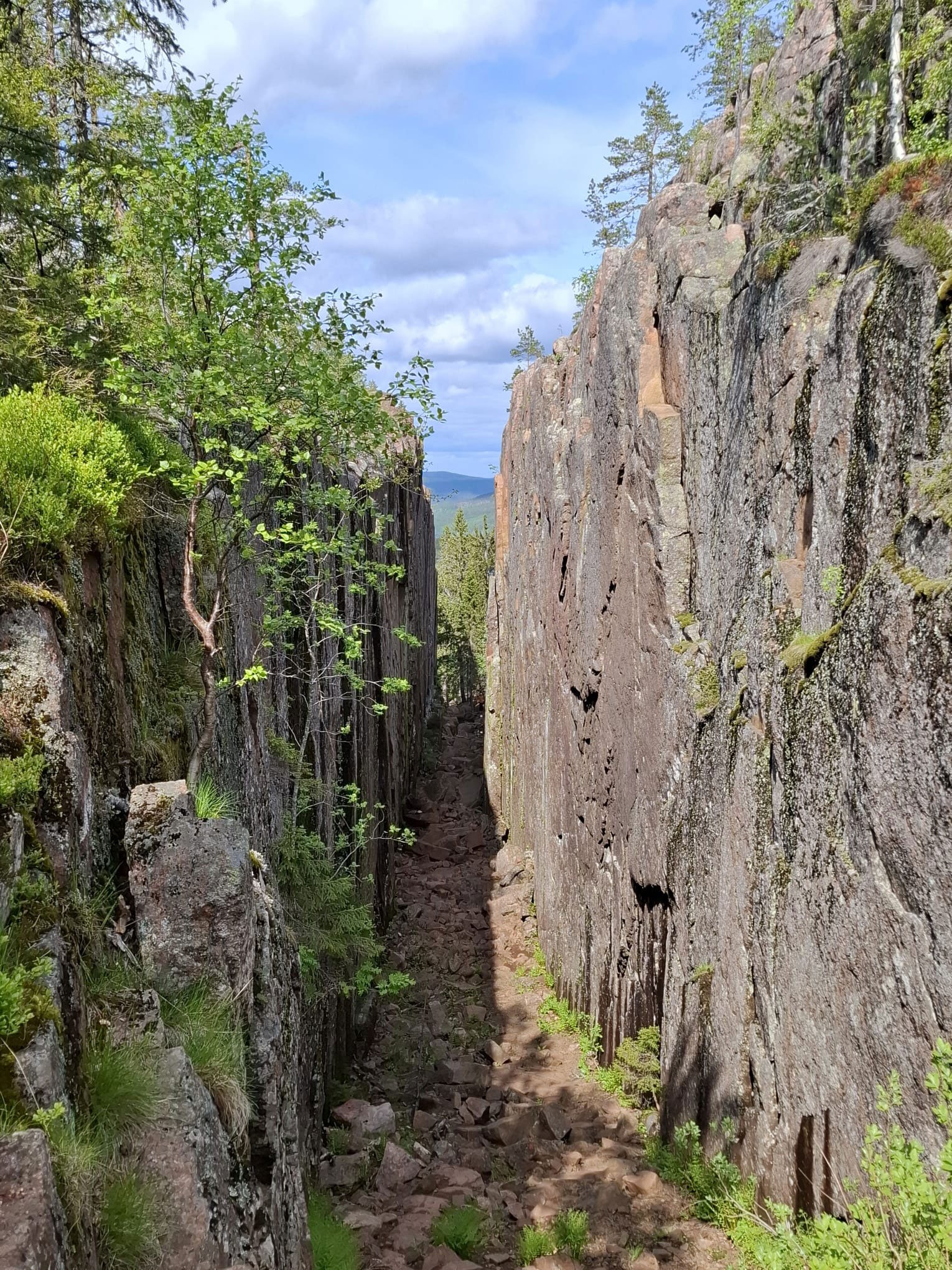
Day 2 — Skuleberget or Skuleskogen (with or without a car)

This is the heart of the stopover: you leave the boat safely moored, and you step straight into the High Coast.

From Docksta you can build a full day that feels “big” but stays logistically simple — even if you don’t have a car.

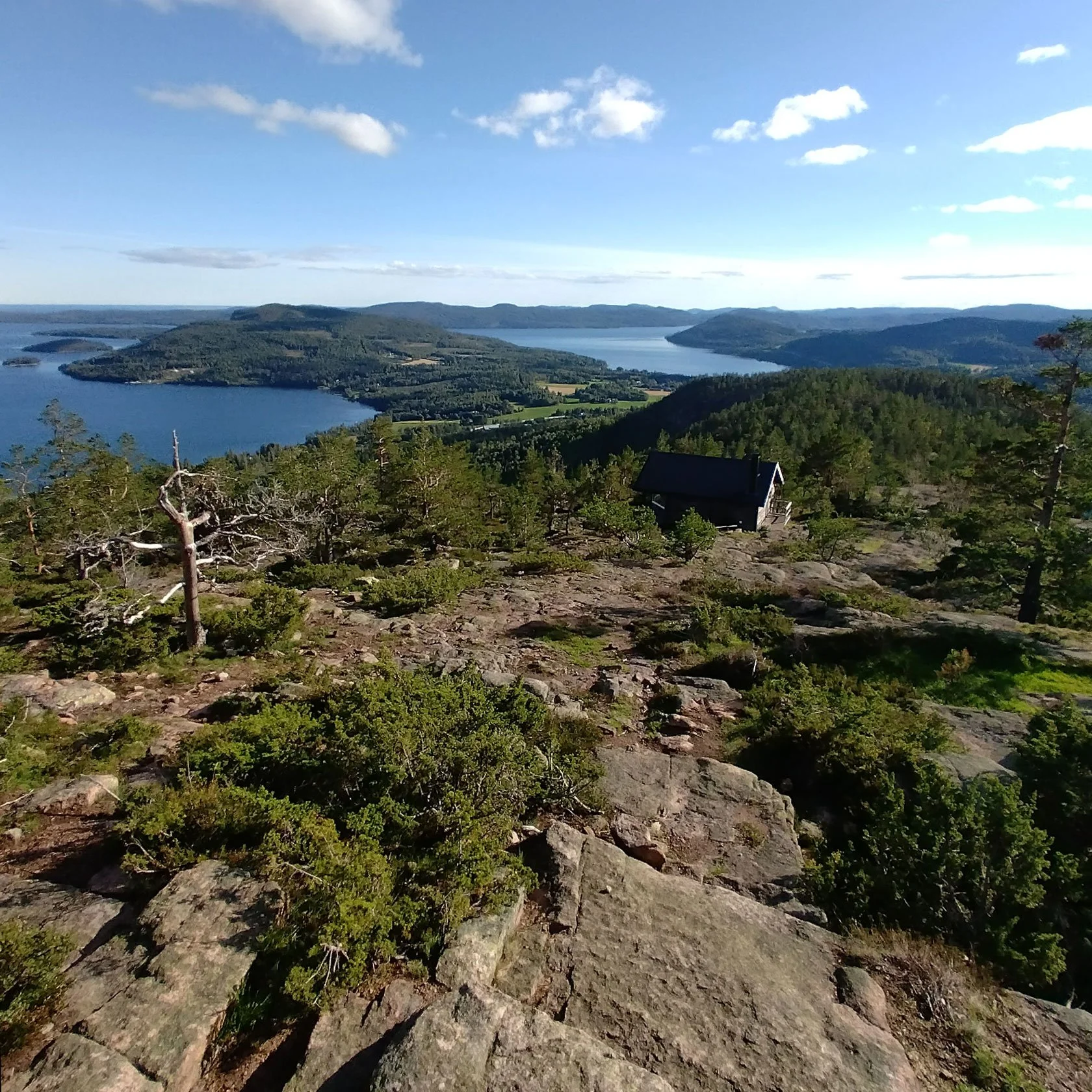
  • Skuleberget for the iconic views, the summit feeling, and the easiest “big day” payoff in the area

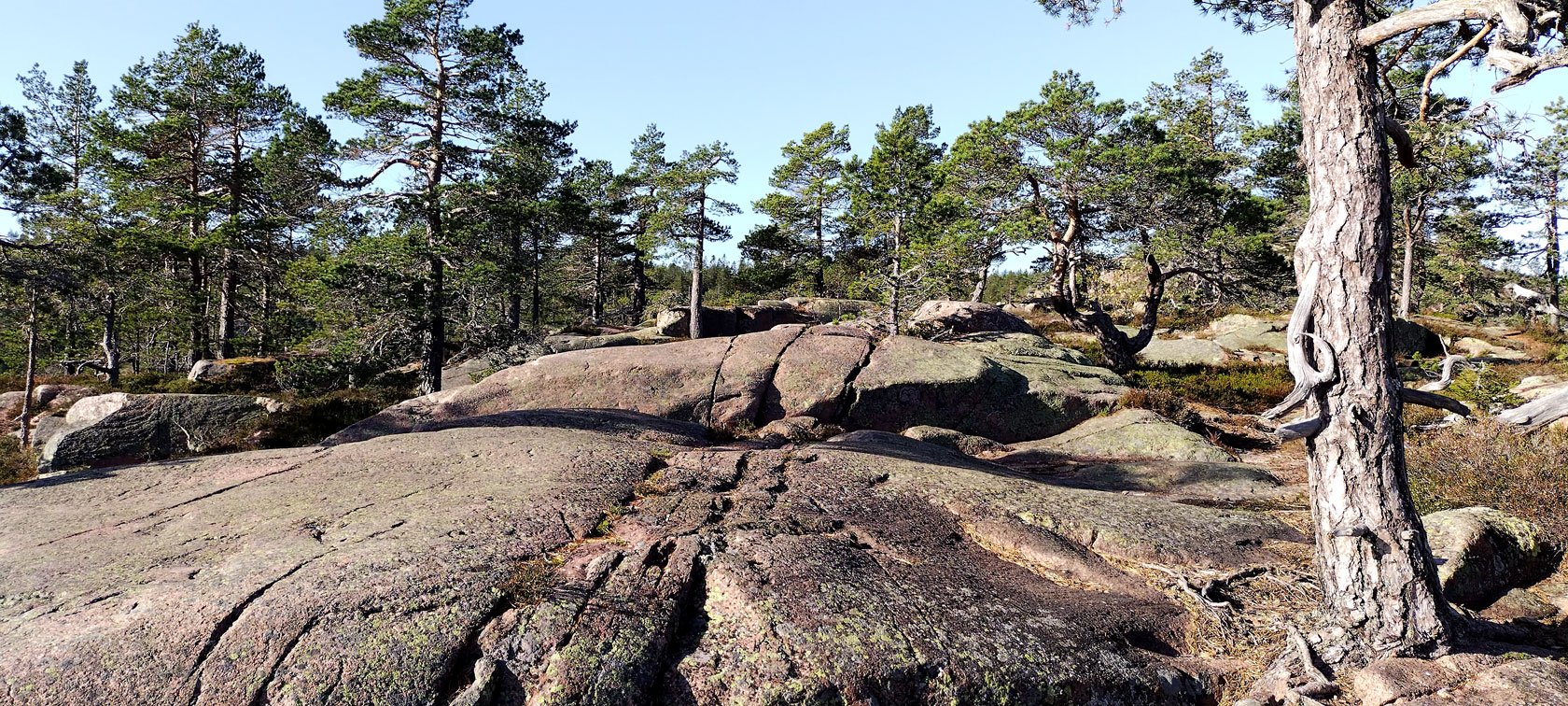
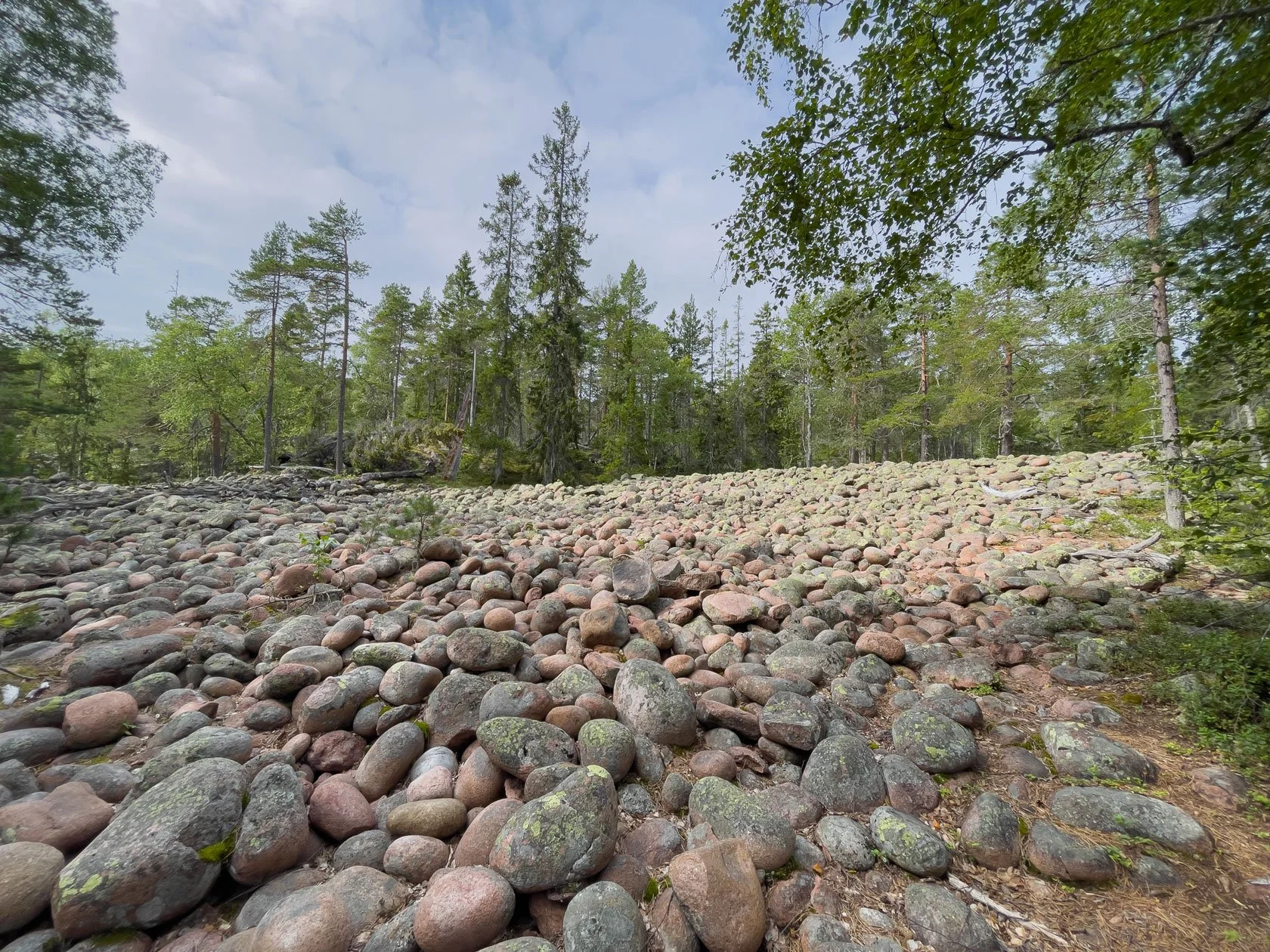
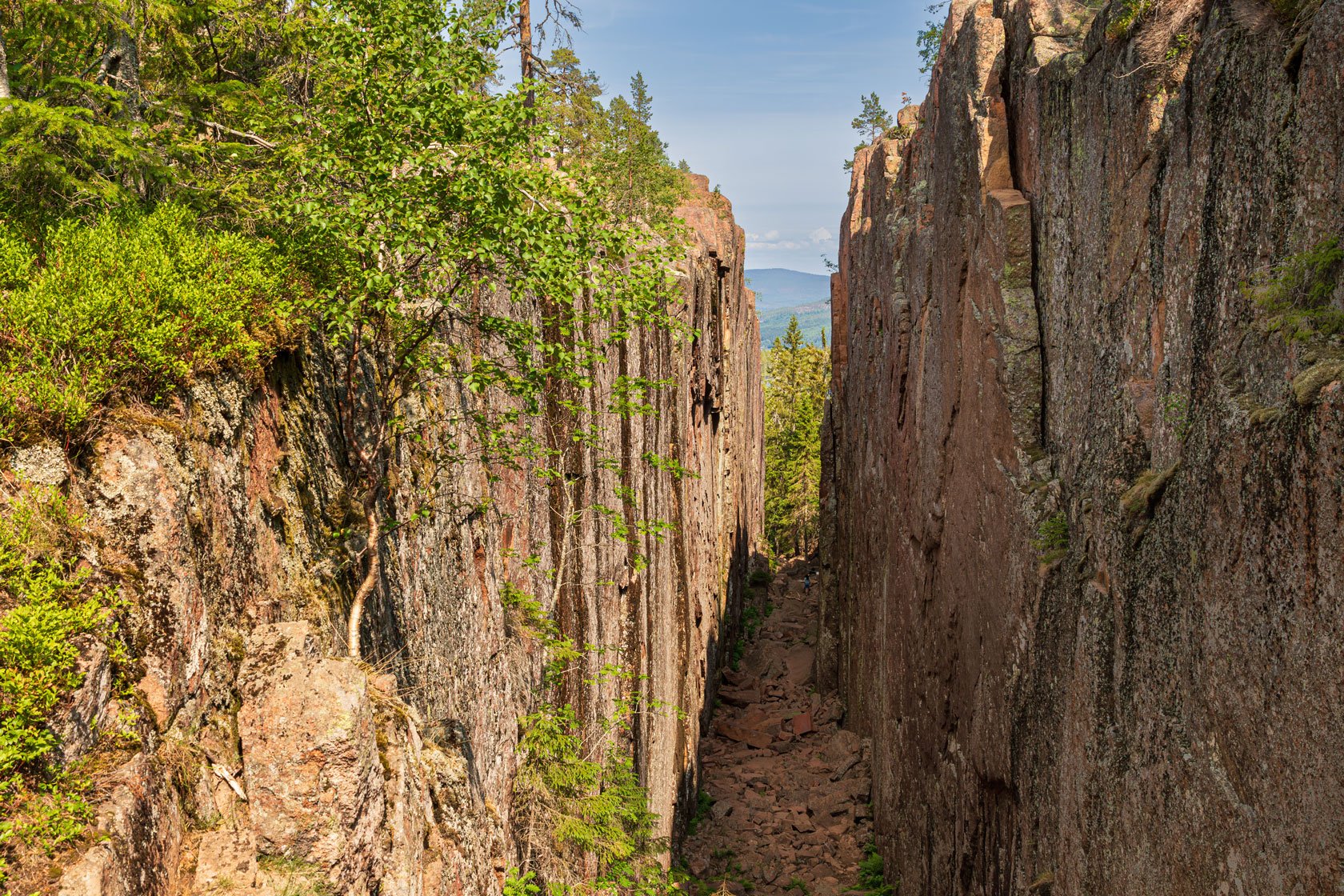
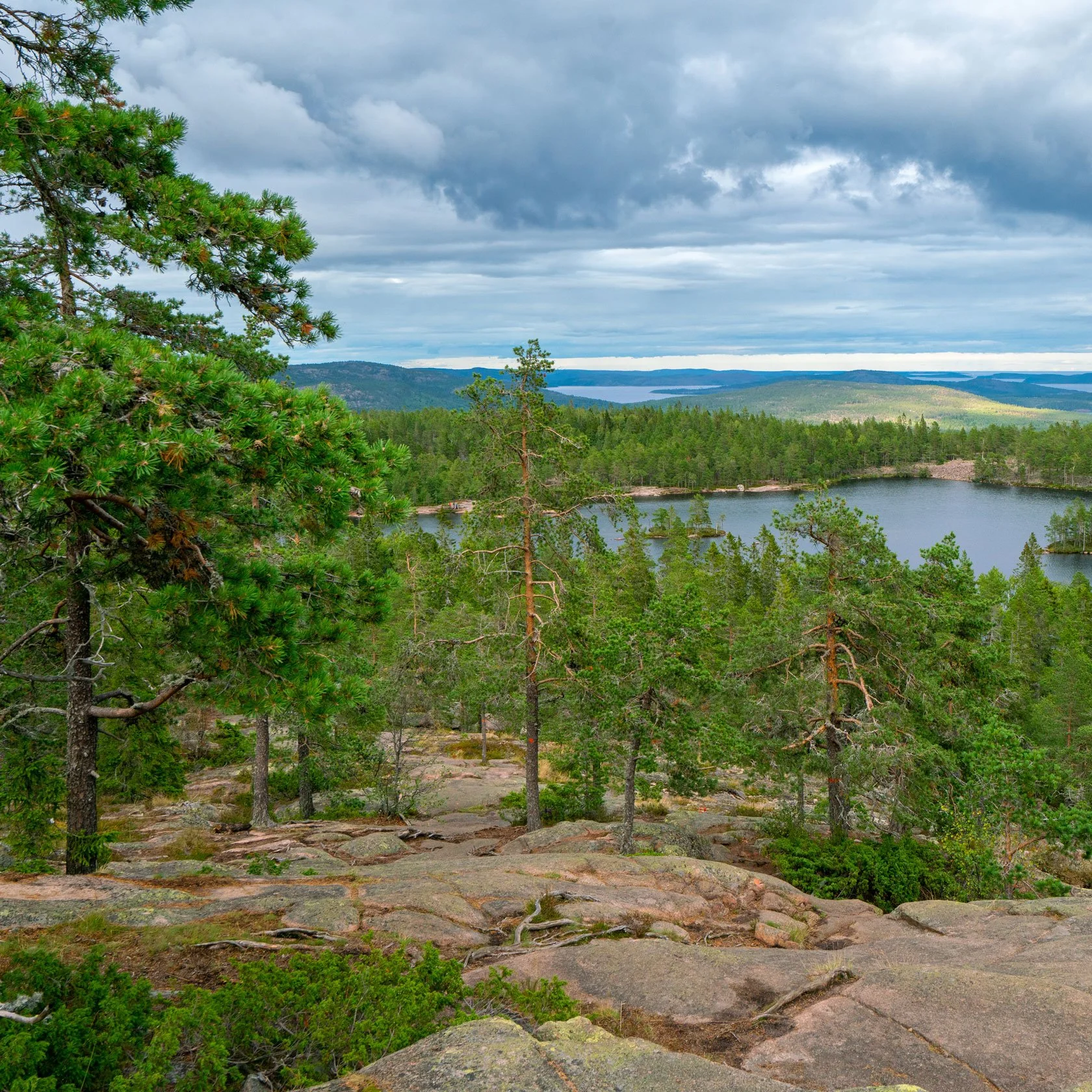
  • Skuleskogen National Park for forest trails, coastline, and that quiet Nordic depth that makes you breathe differently
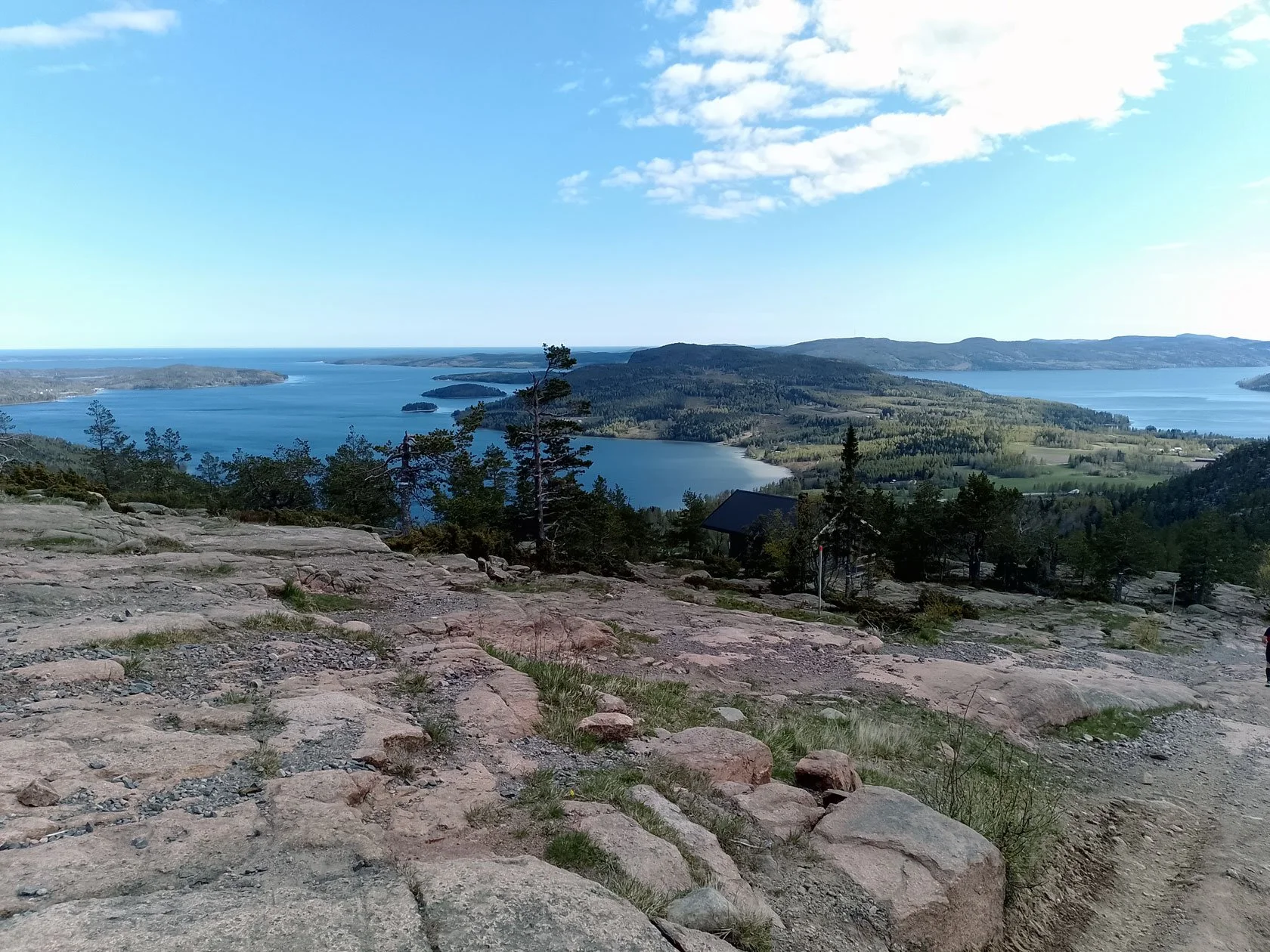
To make this easy (and premium), we’ll point you to our best planning resources:

  • Skuleskogen deep‑dive (routes + practical tips)

  • Skuleberget guide (what to do, what to skip, timing)

  • Outdoor Ready / Grab&Go stories (how to explore without carrying extra gear onboard). See prices + what’s included (bikes, daypacks, kits): Grab&Go overview >

Don’t have the right gear onboard? That’s exactly why we built Outdoor Ready / Grab&Go: bikes, daypacks, hammocks, and simple kits that turn shore leave into a real High Coast day.
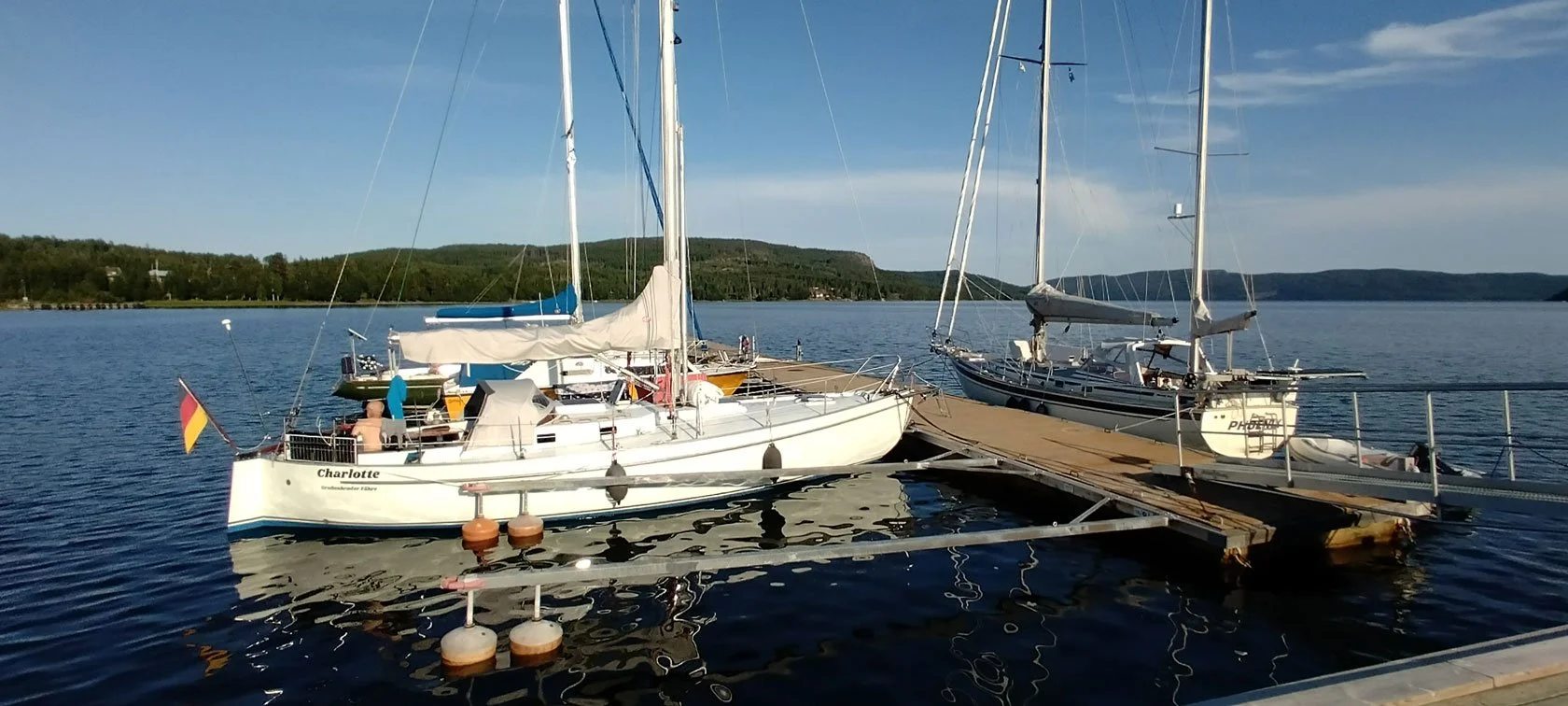
 

Night 2 — The premium part: sleep by the sea after the mountain day

This is where the High Coast becomes a memory.

You come back tired in the good way, make coffee, plan tomorrow, and sleep with the boat safely moored.
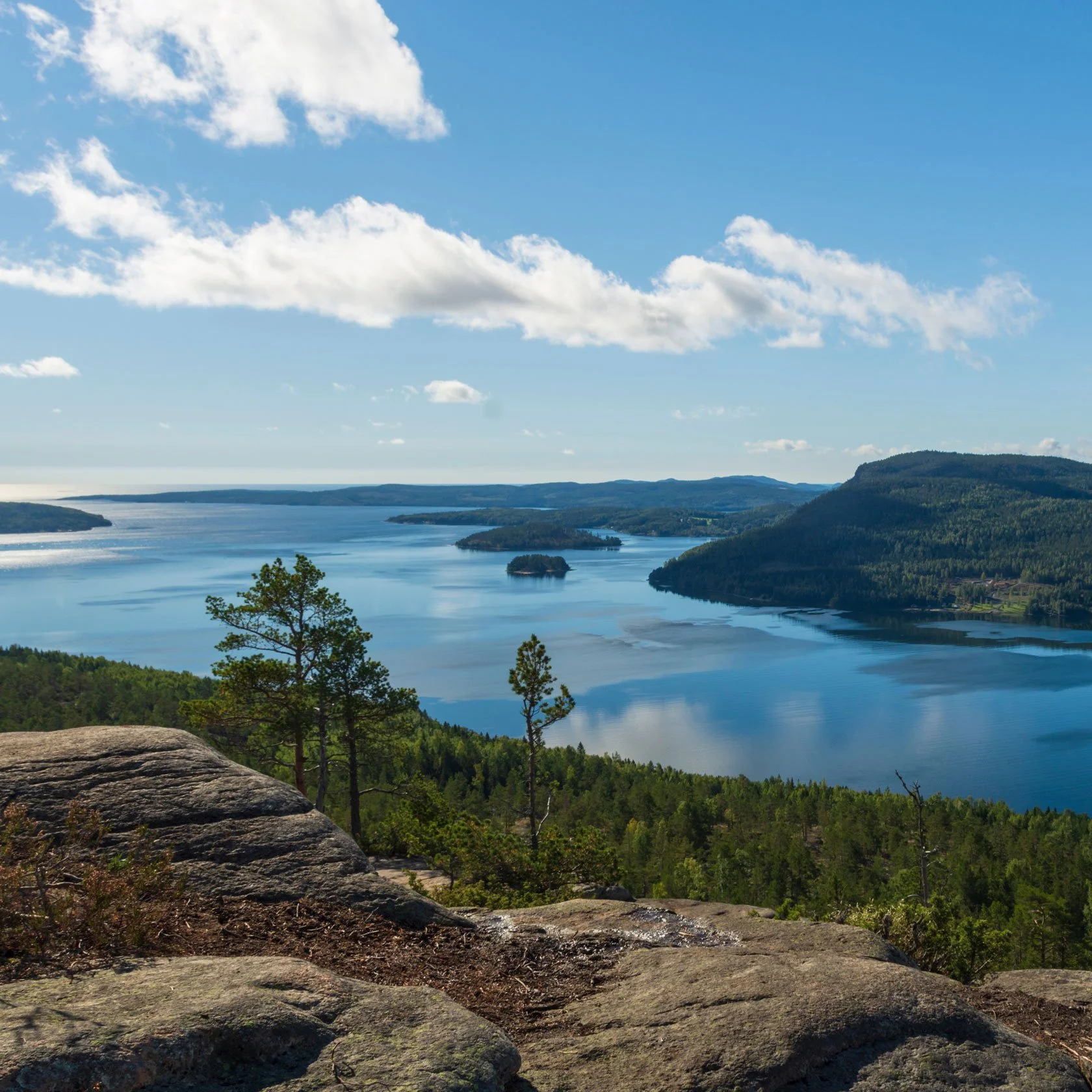
 

Optional Day 3 — The “slow bonus day”

If the weather is good, a third day gives you room for:

  • a second trail (shorter, more playful)

  • a proper recovery morning

  • a calm departure window


What you really get here (for sailors)

If you only read one section, read this.

  • Safe mooring in a protected fjord setting

  • Fast access to Skuleberget and Skuleskogen (the High Coast icons)

  • Club House with WiFi, espresso, books, lounge space

  • Showers, toilets, laundry, dishwashing

  • Outdoor Ready / Grab&Go gear: bikes and simple kits to reach trails without friction

  • Local guidance: routes, timing, “what’s worth it today” decisions


Make it easy: a simple “Stopover Package” logic (no complexity)

We keep operations simple — but we make value visible.

When you stop in Docksta, think in three layers:

  1. Mooring (Base): the safe, calm night

  1. Practical add‑ons: laundry, lounge, recovery, supplies

  1. Experience add‑ons: Outdoor Ready gear, maps, routes, micro‑guides

This is how a “standard harbour fee” becomes a premium High Coast day.
Click a Pin, Start a Day (From Docksta Havet Base Camp)

Tip 👉 open the map in full screen for easier planning on mobile.


Who this is perfect for

  • International crews doing a Sweden/Finland/Åland/High Coast route

  • Couples and small crews who want one mountain day without turning the boat into a hiking warehouse

  • Sailors who value calm, cleanliness, and real hosting

  • Anyone who wants a smart stopover instead of “another harbour night”


Turn your stop into a High Coast highlight

If you’re sailing the High Coast this season, don’t just pass by.

Make Docksta your Sailors’ Base Camp for 2–3 nights.

  • Moor at our pontoons (guest harbour)

  • Use Docksta as your launch point for Skuleberget and Skuleskogen

  • Ask us on arrival about the best plan for today’s weather window

  • Message WhatsApp or call +46 763136628 (harbour host)
    Tell me your ETA + what kind of shore leave you want (Skuleskogen / Skuleberget / bike day / bad-weather plan).

Practical notes (quick)

Season: mid‑May to mid‑September

  • Languages: English, Swedish, Italian (and some German)

  • Best for: 2–3 night stopovers


Docksta Havet Base Camp is the guest harbour where your High Coast stop becomes a real mountain-and-sea day: safe mooring, Sailors’ Club House, practical services, and Outdoor Ready gear — right by Skuleberget and Skuleskogen National Park.


Planning a stop in Docksta?
Download our High Coast Sailor Mini-Guide - a practical shore-leave companion with:

  • Simple ideas for 24-48-72 hours

  • What to do when the weather window is short

  • The easiest ways to reach Skuleskogen National Park and Skuleberget

  • A few local -do this, skip that- notes (the kind you only get from hosts)

Download the mini-guide and turn a quick harbour night into a real High Coast day.
 

A note from your harbour host

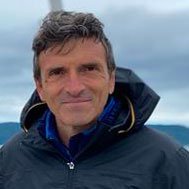
I’m Tommaso. I live the High Coast from these piers in Docksta—right where the sea meets the mountains—and I love helping crews turn a simple stop into a real shore‑leave adventure.

When you arrive and you see me on the docks, say hi. Tell me what kind of day you want: Skuleskogen National Park, Skuleberget, or a calm Plan B (coffee, a short walk, and a good view). I’ll point you in the right direction—with the right trail, the right timing, and the small local details that make the day easy.

Tommaso De Rosa — harbour host at Docksta Havet


Below you’ll find all my Sailing posts — routes, stopovers, and local tips:
Coolcation in Sweden: Why the High Coast Feels Like a Summer Reset

A breathable, light-soul summer (no hero mode required)

Coolcation in Sweden means a milder summer escape. But it’s not only about weather — it’s about how your days feel when you don’t have to fight the heat. That’s why, in this post, I’ll share both: why the High Coast (Höga Kusten) feels breathable (sea breeze, rocky pine forests, long light), and a simple 3‑day rhythm with Docksta as a calm starting point between forest and sea — the kind of place where you can keep your days simple.

A trend with a real body behind it

“Coolcation” is a trendy word, yes.

But the feeling behind it is very real: you want summer without being cooked by summer.

A place where you can walk, sleep, and think.

The High Coast is not cold. It’s just… breathable.

Some days are genuinely warm here too. The difference is that you usually still have wind, water, and timing on your side — and that changes how the day feels.

I host by the water in Docksta. In July, I watch guests arrive from warmer places with the same expression: relief.


What is a coolcation? (simple definition)

A coolcation is a summer holiday in a milder climate — chosen on purpose, not as a compromise. Less heat stress, more outdoor time, better sleep, and a slower rhythm.

The hidden cost of hot-summer travel

Heat doesn’t just change the temperature. It changes the day.

In very hot destinations, you start negotiating with your own body: when to walk, where to hide, how to sleep, how to recover. You end up planning around shade, air conditioning, and “survival hours”.

A coolcation is a different kind of luxury: energy that lasts.


Why the High Coast stays breathable (even in summer)

It’s a mix of small things that add up.

  • The sea is close. Air moves.

  • The landscape is open. You feel space.

  • The forests are rocky pine forests. Dry, scented, not heavy.

  • The light is long. You can hike earlier or later and avoid the warmest hours. In practice, the coolest hours often feel like a gift: early morning when the forest is still quiet, and late evening when the sun stays low and the air starts moving again. Even on warm days, a small shift in timing — and a light wind layer in your daypack — can change everything.

And when you pause — on a rock, by a beach, under pines — the day stops being a race.

Why “base camp” matters even more in a coolcation

Here’s the part most coolcation articles miss: cool air doesn’t help if you spend your holiday inside a car.

A base camp turns the climate advantage into a real experience. You sleep well, you wake up without decisions, and you can reach trails, water, and ferry days without repacking your whole life.

Less moving. More living.

If you want a simple starting point, here’s our Docksta Base Camp start-here guide: https://dockstahavet.se/blog/start-here-high-coast-day-trips-docksta


A coolcation is not “doing less”. It’s doing it differently

In hot climates, you often plan around shade and air conditioning.

Here you plan around light and wind.

A good High Coast day can be:

  • A morning hike

  • A long lunch with no agenda

  • A swim when the fjord is calm

  • A slow evening walk while the light refuses to leave

Coolcation isn’t anti-summer. It’s pro-summer.

This isn’t about escaping joy, beaches, or light.
It’s about escaping the part of summer that makes everything harder: sticky nights, overheated cities, and days that feel like a task.

In the High Coast, summer still has warmth — but it also has breathing room.

Quick note: Coolcation is a recognised travel trend

Travellers are increasingly choosing milder summer destinations for comfort, sleep, and outdoor time — not just for “nice weather”.


A simple 3-day coolcation rhythm (High Coast)

Think of it as a base camp rhythm: one anchor per day, one blank space, and water every day if you can.

Three simple rules for a breathable High Coast day

  1. One anchor per day. Not five.

  2. Start early or start late. Let the light work for you.

  3. Leave a blank space. Swim, nap, second coffee, slow walk — that’s not “wasted time”. That’s the reset.

Day 1: arrive + water

  • Short coastal walk

  • Swim if the weather is kind

  • Early night (Nordic light can trick your body)

Day 2: one real hike

  • Skuleberget or Skuleskogen (not both)

  • Bring a layer; wind changes everything

  • Leave space for a second coffee

Day 3: micro-adventure

  • Ferry day (Ulvön) or a bike day or a “do nothing” day

What to bring for a breathable summer:

  • A light wind layer

  • A towel you don’t mind using often

  • A small daypack

  • Shoes that can handle rock


Remember the third rule: leave a blank space

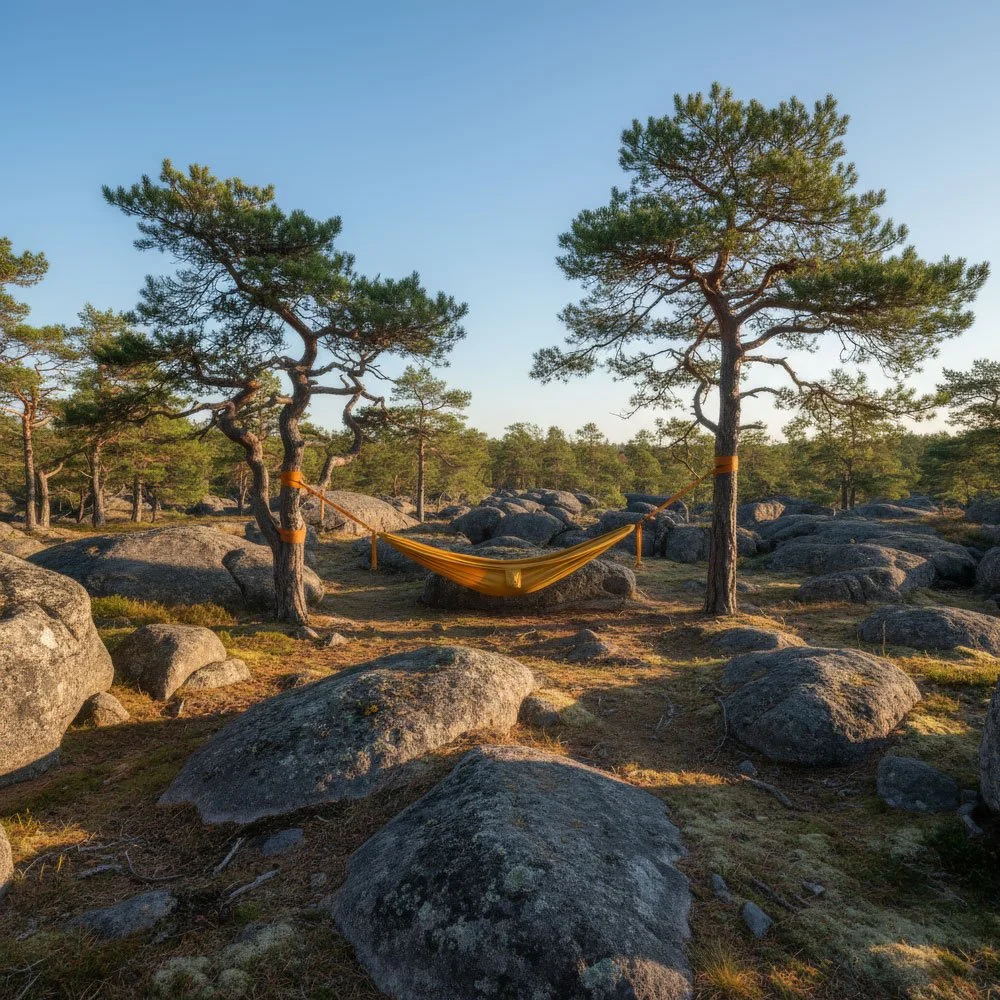
In the High Coast, that blank space can be very simple: a short forest pause. Walk a few minutes under pines, find a flat rock or a quiet spot, lie down for 20–40 minutes, and let your body cool down and reset — no agenda, no performance.

If you want a gentle, real example of what that can look like (hammock + rocky pine forest + slow breathing), I wrote a note here:
https://dockstahavet.se/blog/skogspaus-hammock-forest-experience-hoga-kusten


The simplest coolcation upgrade: sleep by the water

If you want the High Coast to feel truly breathable, don’t just visit the sea — sleep next to it.

When you stay right on the waterfront, the day becomes simpler: a morning dip without planning, a late walk when the light refuses to leave, and that small sea breeze that makes even warm days feel lighter.

If you’re coming for a coolcation, this is the easiest base camp choice: wake up by the water, hike one trail, come back to calm.

Couples, solo travellers, and small families — three simple seaside stays.


And if you want your days to start without logistics

We’ve been building a small Outdoor Ready / Grab&Go corner — so everyone can rent a daypack (and a few simple essentials) and head out without turning the morning into logistics.

If you’re curious, here’s the practical page: https://dockstahavet.se/outdoor-gear-rental-hoga-kusten

Light soul. Tiny rucksack. A summer that lets you breathe.


Below you’ll find our Explore posts:

maps, guides, and “start here” planning pieces.

Höga Kustenleden, without hero mode

A quiet, practical way to enter the High Coast trail—one section at a time, with a base-camp rhythm

A host’s trail note on Höga Kustenleden: what it really feels like, how to hike it without “hero mode,” and three easy doors into the trail from Docksta.

Some trails are about distance. This one is more about attention.

Höga Kustenleden runs through an UNESCO heritage landscape that keeps switching rooms: rocky pine forest, open cliffs, quiet coves, long views over the archipelago and its fjords and islands. You’re never far from water — and you’re never fully protected from wind. That’s part of the lesson.

I’m not writing this as a guru, or as a “proper” thru-hiker. I’m writing it as a host who watches hikers arrive, rest, dry their gear, and head back out again — and who has learned a few quiet things from this coastline.

Quick context (for first‑timers):

Höga Kustenleden is the long‑distance hiking trail through Sweden’s High Coast UNESCO World Heritage landscape. It runs south → north (from the Hornöberget area to Örnsköldsvik) and is usually hiked in sections. Because distances and stage numbering vary across sources, the safest reference is the official map.

Höga Kustenleden Map: https://www.naturkartan.se/sv/hogakustenleden

Tourism overview: https://www.hogakusten.com/en

Expect “more time than kilometers”: steep granite, roots, and short technical climbs

If you’re planning from Docksta (without hero mode), this Base Camp map helps you choose day trips by time, energy, and weather:

https://dockstahavet.se/blog/hoga-kusten-map-day-trips-from-docksta


What Höga Kustenleden really feels like (in plain words)

The High Coast of Sweden is not gentle, but it’s not harsh either. It’s honest.

Rock makes you slow down.
Wind edits your plan.
The sea and lakes keep showing up in the background, like a reminder to breathe.

Some sections feel like a balcony over the water. Others feel like a corridor of trees and red granite stone. And then, suddenly, the view opens — and you realise you’ve been holding your breath for no reason.


A trail you can enter in small pieces (you don’t need to “do it all”)

Yes, Höga Kustenleden is a long trail — the kind many hikers walk with a backpack.

But you don’t have to “complete” it to belong to it.

You can enter it in small pieces:

  • one section

  • one viewpoint

  • one honest day

  • one night of real sleep

  • and then another day, if you want

This is the opposite of hero mode. It’s the base-camp way of hiking: go out, come back, rest, go out again.


The “forest guest” mindset (a different kind of strength)

Out here, the strongest move is often the simplest one: a lighter grip on the schedule.

A forest guest doesn’t try to conquer the day.
A forest guest pays attention.

You notice where the rock is warm.
You feel when the wind shifts.
You stop before you’re exhausted.
You leave space — not as “wasted time”, but as recovery.

That’s not philosophy. That’s how you keep hiking tomorrow.


A day on the trail that counts (even if it looks small)

Here’s a day that counts — even if it looks small.

In the High Coast, hiking often starts with ordinary gestures: stepping outside before you’re fully “ready”, carrying a light layer because wind changes the story, bringing coffee in a thermos, and letting the landscape set the pace.

  • Morning (no heroics): a short hike while the air is still cool and the forest feels quiet.

  • Midday: lunch outside — simple food tastes better when you sit on a warm rock and watch the light move.

  • Afternoon: a swim if the weather is kind, or just a long pause by the fjord with your feet in the water.

  • Evening: a slow walk when the light goes soft and refuses to leave.

And somewhere in the middle, if you want a deeper reset without making it a “thing”: step under the pines for 20 minutes, breathe, and let your nervous system catch up with your body.

Seasonal note: in June/July the light can feel endless (beautiful, but it can also trick your sleep). From mid‑August, nights become more like nights again — deeper rest, more colourful sunsets, and in the High Coast the first auroras can start showing up on the right evenings.


Where a base camp becomes a partner (not a “service”)

Long trails are not only about moving. They’re also about landing.

A good base camp is not there to make the hike “easy”.
It’s there to make it sustainable.

A place where you can:

  • sleep deeply

  • dry your gear

  • take a real shower

  • eat something simple

  • and start again without friction

That’s what many hikers are actually looking for: not luxury, not hardship — just a calm, flexible landing spot between days.


Practical planning notes (three doors into Höga Kustenleden from Docksta)

If you want a practical way in — without turning the trail into a checklist — here are three nearby segments/spots I often point guests to. Think of them as three doors into Höga Kustenleden: each one gives you a real taste of the landscape, without requiring “hero mode”.

1) Per Olsbo wind shelter (the quiet trail culture stop)

This is one of those simple places that feels like a reward: a roof over your head, a guest book, the feeling of being inside the trail culture. It’s approachable, calm, and perfect for a half‑day with a proper pause.


2) Predikstolen (Getsvedjeberget) — short, steep, worth the attention

Predikstolen is one of the most photographed viewpoints in the High Coast — and yes, the panorama really is special. Just one honest note: the final segment is short but steep and a bit technical, both up and down. It’s doable for many people, but it rewards a steady pace, good grip, and a calm head (especially if it’s wet or windy).

Predikstolen Viewpoint (Getsvedjeberget) — what to expect
https://dockstahavet.se/outdoor-gear-rental-hoga-kusten/guides-stories/predikstolen-viewpoint-getsvedjeberget-what-to-expect


3) Skuleberget summit — the iconic climb, close enough to feel “local”

Skuleberget is the classic High Coast mountain day — and the best part is that it’s close. From Docksta, you can reach the foot of the mountain in under 2 km, and then choose a route that fits your legs and the weather. The summit gives you that “balcony over the fjords” feeling — and the descent on Höga Kusten Stigen is pure light and sea‑view rhythm.

Hike at the Skuleberget Mount along the Höga Kusten Stigen
https://dockstahavet.se/blog/explore-the-hoga-kusten/hike-at-the-skuleberget


Optional: the island extension (Ulvönleden)

If you want a different kind of trail day — one with ferry rhythm, sea air, and an island mood — Ulvönleden is a beautiful extension to keep in mind.

Ulvöleden Trail Guide
https://dockstahavet.se/blog/ulvoleden-trail-guide


Optional: a simple packing list (day hikes, High Coast reality)

If you want a practical checklist (layers, water, rock‑friendly shoes), I keep it here:

Basic tips to get ready for your day hike (or run) on High Coast paths:
https://dockstahavet.se/blog/explore-hoga-kusten/get-ready-your-day-hike


A quiet ending

You don’t need to be a “real hiker” to walk Höga Kustenleden.

You just need one day where you move with respect — for the landscape, for your body, and for the fact that wind and rock will always have the final word.

From here you’ve got two easy doors:

  • DIY door: pick one of the three segments above, pack light, go slow, come back and rest.

  • Grab&Go door: if you arrive without gear (or without the will to plan), start bike-first and let me set you up with a daypack + the essentials — hammock kit optional, depending on your mood.

Either way: no hero mode required. Just attention.

Light soul. Tiny rucksack. One section at a time.


Tommaso De Rosa

I host hikers and sailors at Docksta Havet, right where the High Coast trail culture passes through: people arrive, dry their gear, sleep deeply, and head out again. Over the years—also as a trail runner—I’ve learned the High Coast the slow way: one section at a time, in all kinds of wind, rock, and light. That’s why I write these notes the way I do: practical, calm, and meant for real days (not hero stories).

If you’re staying in our waterfront marina lodgings (Airbnb) and you want a simple recommendation—which section fits your time, your legs, and the kind of day you’re after—message me via Airbnb chat (from my host profile). I’ll point you to one good “door” into the trail, and a base-camp rhythm that makes it sustainable.

_Tommaso

If you prefer, you can also reach me on WhatsApp: +46 76 313 6909.

P.S. If you’re not sure where to start, scroll back to the three doors into Höga Kustenleden from Docksta—choose one, and let that be enough for today.


Below you’ll find our Hiking posts:

destinations, trail guides, and local advice

Before You Arrive in the High Coast: A Forest Guest Note

The High Coast, Slowly: A Quiet Pause Under Rocky Pines — If You’re Still Dreaming of Your Summer, Keep Reading.

Between Land and Sea: A Hammock Immersion in the High Coast

Maybe you haven’t been here yet.

Maybe you’re still looking at maps, photos, and ferry timetables, trying to imagine what the High Coast feels like.

This is a place where pines grow on rock above the fjord, where salt and resin share the same air, and where Nordic light — especially around the Summer Solstice — quietly changes your rhythm. A UNESCO landscape, yes — but more than that: a living threshold between sea and mountain.

And if you ever stay with us, I’ll be your host when you arrive. We haven’t met yet, and that’s fine. Some places — and some hosts — should meet you slowly.

I’m the kind of host who draws on maps, talks weather, and keeps a hammock in the car — just in case the day asks for a pause.

Before the check-in, before the dock lines, before the first hike plan, I like to offer one gentle idea — not a program, not a product, not a promise. Just a way of arriving.


The Forest Guest

In the High Coast, it’s easy to become a collector.

Collect the icons. Collect the viewpoints. Collect the perfect weather window.

But there is another role available here — quieter, older, and surprisingly powerful:

To be a guest.

Not an occupier. Not a consumer of nature.

A guest.

A guest arrives with attention. A guest listens before speaking. A guest leaves the place lighter than they found it.

If that sounds a bit too serious, keep it simple: it just means we try to be gentle with the place.


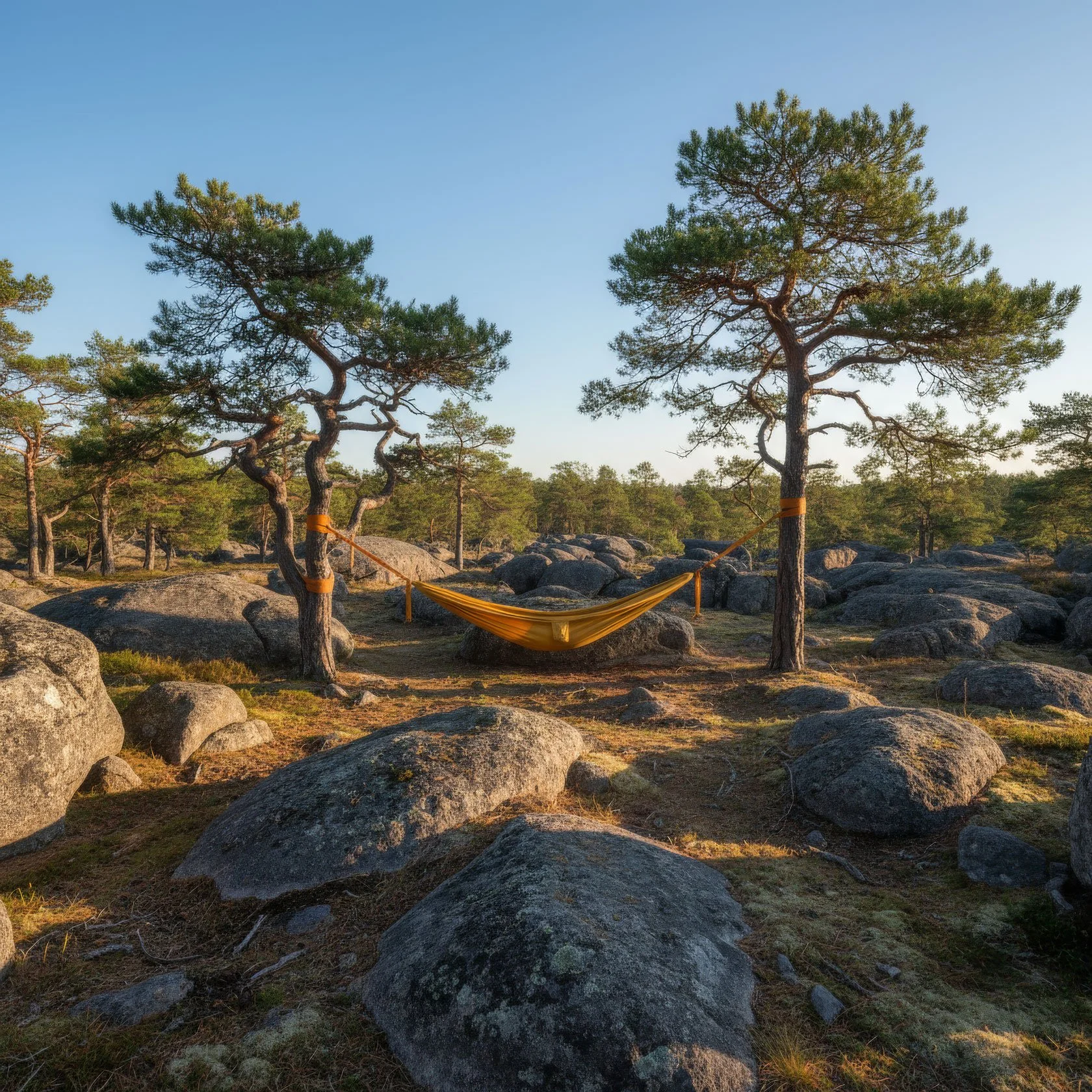
A hammock forest immersion, in a rocky pine forest

There are forests that feel like a room.

And there are forests that feel like a threshold.

Here, above the fjord, the ground is not soft in the usual way — it’s ancient, sculpted, patient. Silence is still possible. And when the wind calms, you can hear how much space there is.

A hammock forest immersion is simple: you walk a little, you hang your hammock, and you let the forest hold you for a while.

We walk in without hurry. I pick two trees that feel kind to the hammock. A strap, a small check, a quiet nod. Then you lie back and the forest does what it does: light moving, a few sounds you didn’t notice before, your breath finally not in a rush.

Not a retreat. Not a performance hike. Not a wellness show.

Just presence.


Why spring to late summer feels like a quiet invitation

There’s a long window — from late May and June, all the way into late August — when the High Coast changes its voice.

In spring, the light returns and everything feels possible again.

In high summer, the canopy is lush, the sea is warmer, and the days stretch out.

And then, toward late August, something soft happens: the trails breathe, the sea becomes quieter, and nights start to darken again.

For me, this whole season is perfect for a hammock forest immersion — a gentle pause inside your adventure, not after it.


If curiosity finds you

If this note touches something in you, keep it simple.

When you arrive, tell me one thing:

  • Are you here to hike, to sail, to run, or to rest?

And I’ll point you toward a quiet forest mood that fits your days — a place where the rocky pines and the High Coast light do their quiet work.

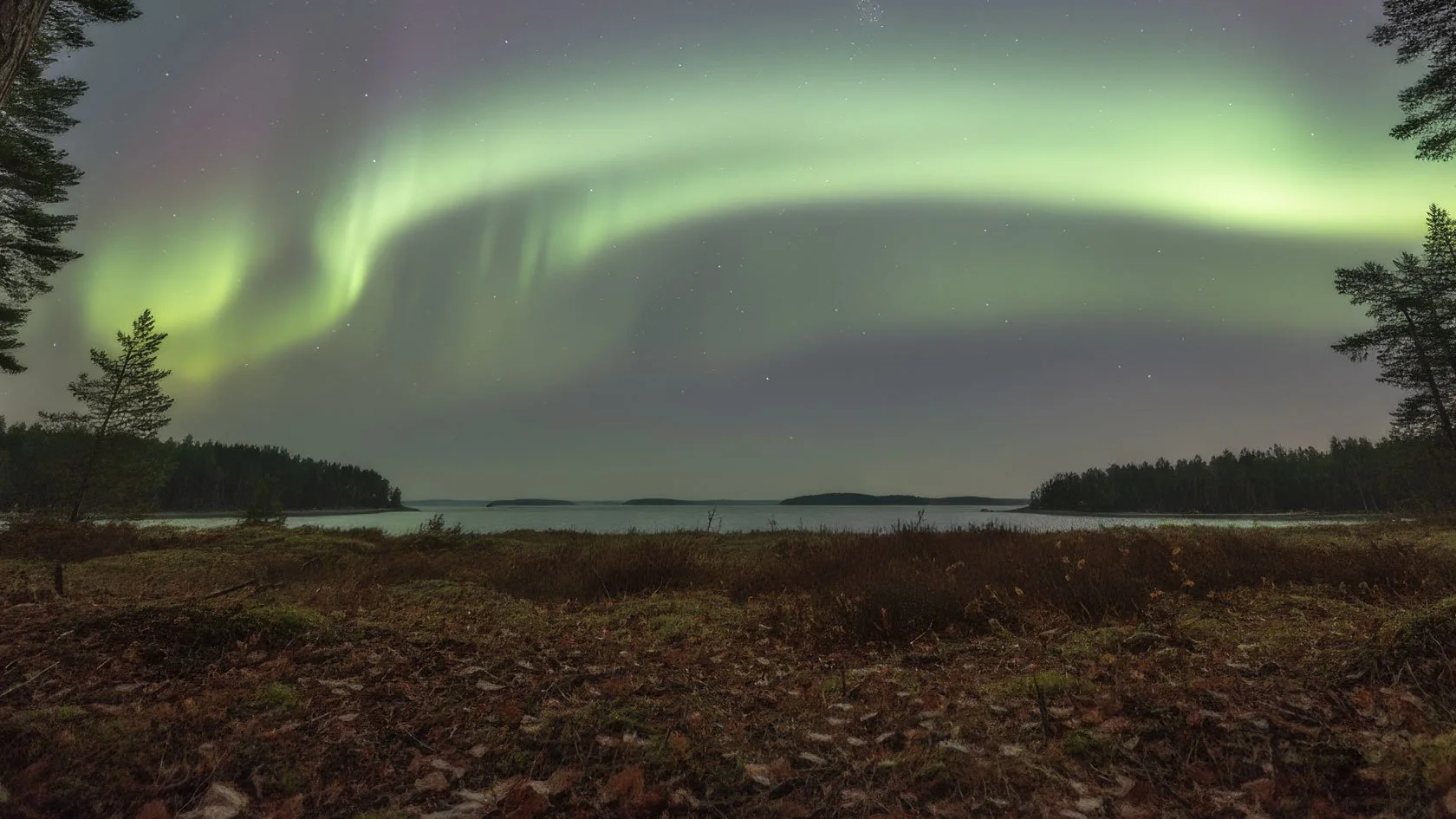
Sometimes guests ask about the night sky too. When the nights return, the High Coast can surprise you with aurora — even this far south. On clear nights, the fjord becomes a mirror. If you want to time it, I check yr.no for cloud cover and its integrated aurora forecast.

Sometimes it’s nothing. Sometimes it’s a quiet glow. And sometimes it’s a memory you take home for years.


Three gentle invitations (in the forest)

If you ever stay with us, this is the kind of thing I share with a bit of shyness — not to turn the forest into a postcard, and not to promise a transformation, but to remind you where you are.

These rocky pine forests have their own quiet protagonists. Some are obvious: wind in the canopy, light moving across stone, the scent of resin after a warm day. Some are smaller: a sudden hush when a bird passes close, the soft creak of hammock straps, the moment your shoulders finally drop.

Sometimes the real shift doesn’t happen when we do more. It happens when we finally pause.

A hammock forest immersion is exactly that: a few quiet hours under the canopy, held by rocky pines and High Coast light — where your body remembers how to downshift, and your mind stops trying to “use” the landscape.

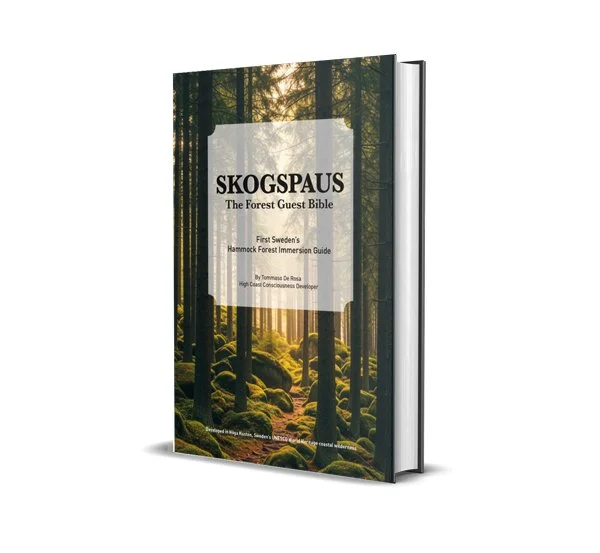
If you feel that little yes inside you, you don’t have to decide much. This pause can meet you in three forms: together in the forest (it has one name: Skogspaus), on the page (the e-book that grew from these same mornings between pines, silence, and hammocks), or in your own rhythm (with a simple hammock kit you can borrow, so the pause can happen on an ordinary day too).

Ciao for now,

Tom

SV 🇸🇪 - Kanske har du inte varit här ännu.
Höga Kusten är en plats mellan land och hav, där tallar växer på klippor ovanför fjorden.
En hängmattepaus i skogen är bara det: en stilla stund som låter landskapet göra sitt.

FI 🇫🇮 - Ehkä et ole ollut täällä vielä.
Korkearannikko on paikka maan ja meren välissä, missä männyt kasvavat kallion päällä vuonon yllä.
Riippumattohetki metsässä on pieni, lempeä tauko — ja joskus juuri se riittää.

DE 🇩🇪 - Vielleicht warst du noch nie hier.
Die Hohe Küste liegt zwischen Land und Meer, mit Kiefern auf Fels über dem Fjord und Licht, das den Takt verändert.
Eine Hängematten-Pause im Wald ist genau das: ein stiller Moment, der dich langsamer werden lässt.


More Skogspaus reads (Forest Pause):

(Slow forest practices, gentle stories, and practical notes)


Micro‑guides and local tips for Höga Kusten:

(Day trips, hikes, viewpoints and quiet forest pauses)

Friluftsliv, in plain words (High Coast edition)

Small steps, long light: friluftsliv for beginners in the High Coast

Start with a base camp, take small steps, travel light, and let the landscape set the pace.

The first time you hear the word friluftsliv, it sounds like a philosophy.

But here in Sweden it often looks much simpler: someone walking slowly in the evening light, a towel drying on a rock, a small coffee in a thermos, and no urgency to “achieve” the day.

Friluftsliv in Sweden also comes with a simple rule: don’t disturb, don’t destroy — and always leave no trace.

And if you’re a beginner, here’s the good news: it doesn’t have to be a gear hobby.

A beginner-friendly way to start: base camp + small steps

If you’re new to Sweden (or new to the outdoors), don’t start with a big plan. Start with a place.

Choose a base camp where:

  • water is close

  • trails start nearby

  • you can shower and sleep well

  • you don’t need to prove anything

That’s why I like the base camp idea. You go out. You come back. You rest. You go out again.

In the High Coast, that rhythm matters — because the landscape is generous, but it’s also rocky, windy, and bigger than it looks on a map.

In practical terms: bring a light wind layer and a pair of dry socks — the High Coast loves simplicity, but it respects preparation.


Camping without the hassle (what people actually mean)

Many of our guests are campers — or something close to it.

They travel light, with a backpack, a sleeping bag, a small cooking kit. Some arrive by bike or motorbike. Some sleep in the car when they need to. Some mix cabins, shelters, and simple rooms depending on weather, energy, and mood.

It’s a more fluid way of travelling — not “hotel” and not “camper life” either.

What people often want is not to stop camping. They just want a safe place to land once in a while: a shower, dry gear, real sleep, and a calm base where the day can start again without friction.

In the High Coast, you can keep that freedom and still sleep by the water — with your things dry, your body rested, and the forest close enough to step into.


A beginner friluftsliv day (High Coast)

Here’s a day that counts — even if it looks small.

In the High Coast, friluftsliv often starts with ordinary gestures: stepping outside before you’re fully “ready”, carrying a light layer because wind changes the story, bringing coffee in a thermos, and letting the landscape set the pace.

  • Morning (no heroics): a short walk while the air is still cool and the forest feels quiet.

  • Midday: lunch outside — simple food tastes better when you sit on a warm rock and watch the light move.

  • Afternoon: a swim if the weather is kind, or just a long pause by the fjord with your feet in the water.

  • Evening: a slow walk when the light goes soft and refuses to leave.

And somewhere in the middle, if you want a deeper reset without making it a “thing”: step under the pines for 20 minutes, breathe, and let your nervous system catch up with your body.

Seasonal note: in July the light can feel endless (beautiful, but it can also trick your sleep). From mid‑August, nights become more like nights again — deeper rest, more colourful sunsets, and in the High Coast the first auroras can start showing up on the right evenings.

If you do one day like this, you’ve already started.

If you like trail days, the High Coast has one thread that quietly connects everything: Höga Kustenleden.

Yes, it’s a long trail (the kind many hikers walk with a backpack) — but you don’t have to “do the whole thing” to feel what it’s about. You can enter it in small pieces: one section, one viewpoint, one honest day with wind, rock, forest and sea.


Don’t wait for perfect weather (friluftsliv is a habit, not a highlight)

Friluftsliv isn’t about planning the perfect day. It’s about stepping outside anyway — even when the weather is undecided.
A short walk counts. Coffee outside counts. Sitting on a rock and doing nothing counts.

Some days it rains. That counts too.

If you’re dressed for wind and a little drizzle, the High Coast gives you something almost every day: a clearer head, a calmer body, and a small sense of “home” in the open air.

If you want a simple, practical packing list for High Coast day hikes (layers, water, rock-friendly shoes), I keep it here: https://dockstahavet.se/blog/explore-hoga-kusten/get-ready-your-day-hike


A practical way to begin (Docksta base camp note)

Grab&Go is our simple outdoor gear rental in Docksta — for anyone who wants to try friluftsliv without buying gear.
You can rent the missing piece for your day outside: a bike, a daypack, or a hammock kit. See details & prices here: /outdoor-gear-rental-hoga-kusten

If you’re staying at Docksta Havet, ask at check-in and I’ll help you choose what fits your day. And if you want local tips, I’ll point you to a good, respectful spot.

If you like the base camp rhythm — out, back, rest, repeat — here’s how Docksta can work as a simple base camp in the High Coast (and make exploring feel easy):
https://dockstahavet.se/blog/base-camp-high-coast-docksta

Small steps. Long light. A base camp between forest and sea.


Mini summary (SV / FI / DE)

SV 🇸🇪 - Friluftsliv, med enkla ord (Höga Kusten)

Friluftsliv behöver inte vara en hobby med massor av prylar. Börja smått: välj en bas nära vatten och leder, gå ut en stund, kom tillbaka, vila – och gå ut igen. I Höga Kusten spelar den rytmen roll: landskapet är generöst, men också stenigt, blåsigt och större än det ser ut på kartan.

FI 🇫🇮 - Friluftsliv selkokielellä (Korkea Rannikko / Höga Kusten)

Friluftsliv ei vaadi suuria suunnitelmia tai kallista varusteharrastusta. Aloita pienin askelin: valitse tukikohta lähellä vettä ja polkuja, käy ulkona hetki, palaa takaisin, lepää – ja lähde taas. Korkealla Rannikolla rytmi on tärkeä, koska maasto on kaunis mutta myös kivinen, tuulinen ja karttaa suurempi.

DE 🇩🇪 - Friluftsliv in einfachen Worten (Höga Kusten)

Friluftsliv muss kein Ausrüstungs‑Hobby sein. Fang klein an: Such dir ein Basecamp in der Nähe von Wasser und Wegen, geh kurz raus, komm zurück, ruh dich aus – und geh wieder los. An der Höga Kusten ist dieser Rhythmus wichtig, denn die Landschaft ist großzügig, aber auch felsig, windig und größer, als sie auf der Karte wirkt.


Next steps from your base camp:

A small selection of hiker-friendly posts — for when you’re ready to turn one good day into two.


Keep exploring: Grab&Go summer guides & stories:

A few more local ideas to help you plan a simple High Coast day—bike-first, hike-ready, and with the right gear when you need it.

Solo Travel in Sweden: A Quiet High Coast Base Camp for First-Timers

High Coast for Solo Travellers: A Gentle 24–48h Plan

First time solo in Sweden’s High Coast (Höga Kusten)? Don’t overplan. Use Docksta as a calm base camp for Skuleberget, Skuleskogen, Ulvön and car-free bike + hike days—with a gentle 24–48h structure.

Before you arrive

If you’re planning a solo trip to Sweden, you’ve probably noticed two things.

First: the country looks vast on a map. Second: the internet gives you a lot of options—sometimes too many.

This is a small, quiet note from the High Coast (Höga Kusten), written for first-timers who want nature without stress.

I’m Tom. In summer I host at Docksta Havet—right by the water, at the edge of the High Coast trails. I’m not here to sell you a “perfect experience”. I just want you to arrive with a light soul and a tiny rucksack.

(If you’re already curious about logistics: Docksta is easier than it looks. I keep a practical guide here:  https://dockstahavet.se/blog/how-to-get-to-docksta — but you don’t need it yet.)


Is the High Coast good for solo travellers?

Yes—especially if you like places where the day can be simple.

The High Coast is a UNESCO World Heritage landscape, shaped by the world’s fastest land uplift after the Ice Age. That sounds like geology (and it is), but what you feel is more human: cliffs rising from the sea, rocky pine forests, a wide archipelago, and a kind of space that makes your nervous system exhale.

It’s not a city break. The High Coast—land and archipelago together—is a landscape break.

Here, solo travel doesn’t mean “being alone”. It means you can move at your own pace: a slow breakfast, a trail that starts when you’re ready, a swim when the light feels right.

And because Sweden has a strong outdoor culture, being on your own in nature is normal here—not strange.


The High Coast is big (and that’s good news)

A small warning (and a relief): the High Coast is bigger than most people expect.

That’s why I don’t recommend trying to “see it all” on a first visit — not for solo travellers, not for couples, not for families. Especially if you only have a short stay.

Instead, pick one small area and go deep. The High Coast rewards the slower choice.

Docksta is one of those places that works well as a base camp because, from here, you can reach:

  • Skuleberget (iconic viewpoint, chairlift, and flexible trails)

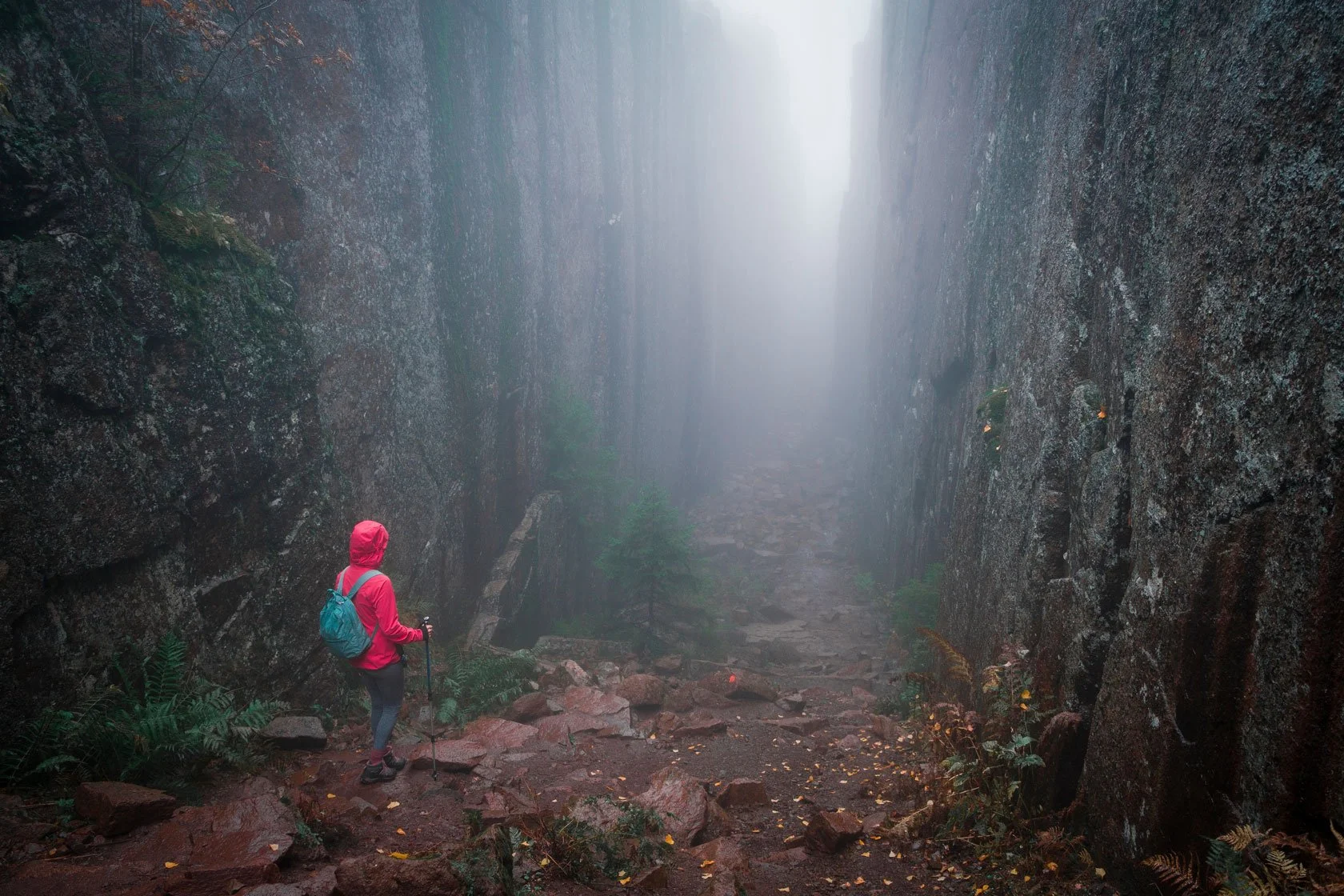
  • Skuleskogen National Park (sea → forest → lakes → crevice → summit with a stunning archipelago view)

  • Ulvön and the archipelago (ferry days when the weather is kind)

  • Sections of the Höga Kustenleden (for hikers moving through)

If you want a calm way to plan, start with this hub page:
https://dockstahavet.se/blog/start-here-high-coast-day-trips-docksta

And if you prefer one “ready-made day” to copy-paste into your trip, these two are solid:


Base camp mindset (so you don’t overplan)

Many solo travellers try to design a perfect route.
I’d suggest something softer: choose a base camp.

A base camp is not a luxury. It’s a way to reduce decisions and enhance opportunities.
From one stable place you can:

  • hike Skuleberget without changing beds

  • visit Skuleskogen without packing your whole life

  • take a ferry day trip (like Ulvön) when the weather is kind

  • rest & recharge when your body asks for it

And if you’re hiking the Höga Kustenleden, a base camp night can be a small reset: shower, laundry, real sleep — then back to the trail.

And sometimes the best base camp is the one you didn’t plan — it’s simply where you stop.


E4 stopover (tiny base camp mindset)

Even if you’re just passing through on the E4 (northbound or southbound), a one-night stopover can become more than “sleep and go.”
With a base camp mindset, you arrive, shower, reset, and wake up with a real choice: keep driving — or take a small High Coast micro-adventure before you move on.

If you want to scan the logic (and steal a ready-made idea), these three notes are a good place to start:


A gentle 24–48 hour solo plan (High Coast)

If you want a simple structure, here’s one that works.

Day 1 (arrive + land in the landscape)

  • Arrive, drop your bag, take a short walk by the water

  • Choose one “icon” only (not five): a viewpoint or a beach

  • End the day early. In Nordic light, tiredness can hide.

Day 2 (one real trail, no rush)

  • Pick one main hike: Skuleberget or Skuleskogen (not both)

  • Bring water, a warm layer, and something small to eat

  • Leave space for a swim, a nap, or a second coffee

If you stay longer, you can add a ferry day, a bike day, or a slow “nothing day”.


Without a car (a real solo-traveller question)

Many solo travellers don’t want to drive. Good. The High Coast can still work — if you choose your base camp carefully.
Docksta is one of the few places where you can build a simple day around bike + hike (and still come back to a shower, espresso, and real rest).

If you want a concrete example, here’s a full plan for Skuleskogen without a car (bike + trail logic) >


Local clarity (so you don’t carry the planning alone)

When you travel solo, the hardest part is often not the hiking — it’s the small decisions.

A good base camp gives you something simple: local clarity. You arrive, you ask one question, and the day becomes lighter. Not a long briefing — just a few tailored suggestions that match your pace, the weather, and the season.

And if you prefer to explore quietly on your own, you can also use our free mini-guides (in five languages) — a small premium resource, available with one click on the website.


Free mini-guides (5 languages): English → | Svenska → | Deutsch → | Suomi → | Italiano →


If you want one quiet upgrade

If you stay at Docksta Havet and you want solo travel to feel easy, there are two small things that help.

First: a simple, flexible place to sleep by the water — especially when plans are last-minute.
The Boathouse + Kitchenette is minimalist, affordable, and made for light travellers (even for a one-night E4 stopover when you just need a real reset).


Second: the ability to head out without buying gear.
If you want your day to start with curiosity — not logistics — you can use our Outdoor Ready / Grab&Go kits (bike, daypack, hammock, small essentials) and build a clean High Coast day from your base camp.

If that sounds like your kind of solo travel, start here:


“Light bag. Clear head. One base camp — and the High Coast opens up.”


Short extracts (SV / FI / DE)

SV 🇸🇪Kanske har du inte varit här ännu.
Höga Kusten är en plats mellan land och hav, där tallar växer på klippor ovanför fjorden.
Om du reser ensam: välj ett basläger, gör dagen enkel, och låt ljuset och vinden visa vägen.

FI 🇫🇮Ehkä et ole ollut täällä vielä.
Korkearannikko on paikka maan ja meren välissä, missä männyt kasvavat kallion päällä vuonon yllä.
Jos matkustat yksin: valitse yksi tukikohta, pidä päivä kevyenä ja anna valon ja tuulen tehdä loput.

DE 🇩🇪Vielleicht warst du noch nie hier.
Die Hohe Küste liegt zwischen Land und Meer, mit Kiefern auf Fels über dem Fjord und Licht, das den Takt verändert.
Wenn du allein reist: wähle ein Basecamp, halte den Tag einfach — und lass Wind und Licht den Rhythmus bestimmen.


All Guides & Stories (browse the full shelf):


The High Coast is Big. Here's how to make it feel easy (Base Camp in Docksta)

Base Camp hosting in Docksta (and why it changes your whole High Coast holiday)

Why your accommodation is your strategy. Base Camp hosting in Docksta: one calm base, local expertise, realistic day trips. Intentional High Coast holidays.

The High Coast is generous. But it doesn't like being rushed. And it doesn't reward random planning.

Höga Kusten is a vast destination — and most people underestimate distances, timing, and how quickly, sometimes, weather can change a plan. This post is for intentional holiday couples who want to explore more and stress less.

I'll show you the Base Camp method we've built at Docksta Havet: choose one strategic base, build a small menu of day trips, keep one buffer slot — and let local expertise turn a beautiful territory into a holiday that actually feels easy.

And the funny thing is: I don't usually explain it like this. It usually starts with an espresso and a map.

I'm Tommaso, your host at Docksta Havet Base Camp — and this is how I help my guests explore the High Coast and make the adventure feel easy.


It's mid afternoon. A couple arrives — they're a bit tired, they've driven north all day, rushing early from south of Stockholm, and they just want to land.

Not too late for an espresso, I make it for them. We stand on the pier for five minutes. They look at the water, they breathe.

Then one of them pulls out their phone and opens Google Maps.

"So… what should we do tomorrow?"

And I see the moment: the map is full. Skuleskogen. Skuleberget. Ulvön. Trails. Viewpoints. A concert in the forest. Ferries. Roads that look small but take longer than expected.

The question isn't really "what should we do?"

It's: "Where do we even start?"

Because the High Coast (Höga Kusten) is not a compact destination. It's a territory.

And that's why, here, your accommodation isn't just where you sleep.

It's your base. Your rhythm. Your logistics. Your mood.


The mistake (that smart travellers still make)

Most people do one of these things:

  • they try to do too much, moving around every day, always in transit

  • or they do too little, because the region feels overwhelming and they don't want to gamble with time

Both are understandable. Both are common.

But there's a third way — the one we've been building at the Marina for twenty years.


Docksta Havet was created as a Base Camp (not a slogan — a method)

Base Camp is not a label for us. It's a method.

Docksta Havet was built around one idea: in the High Coast, the smartest luxury is not doing more — it's doing the right things, from the right place. A Base Camp means you sleep well, you move less, and you explore deeper. It means local orientation, honest advice, and a host who's present — not just a code on a door. If Höga Kusten is vast (it is), your base is your strategy. And this is what we do, every day, all season.

Sometimes guests nod politely when I say "Base Camp". Then the next morning they come back from their first day out and say something like:

"We thought we needed a full plan… but this feels easier than we expected."

That's the point.

A Base Camp is not about controlling your holiday. It's about making discovery feel simple.


The Base Camp rule (works for everyone)

Whether you travel by car, public transport, bike, boat, motorbike, or on foot, the logic is the same:

  1. Choose one base that gives you options

  2. Pick a small menu of day trips (not a checklist)

  3. Keep one buffer slot for weather, rest, or spontaneity

That's it.

This is how the High Coast becomes a holiday instead of a logistics project.


High Coast in 48 hours (from Docksta)

48 hours here means: arrive day 1 afternoon, full day 2, leave day 3 morning.

A realistic example. Let's say you only have two nights — the classic "short High Coast escape".

Day 1 (arrival day)

Arrive, drop your stuff, and do something small but iconic. A viewpoint. A short trail. A pier walk. A quiet evening by the water.

Not because you need to "tick a box" — but because it changes your nervous system after travel.

Host tip #1 (arrive early = you gain a whole evening):
Check-in starts at 3pm. If you arrive at Docksta not too late, you don't just "sleep here" — you get a real slice of the day: time to reset, a slow espresso, and that long High Coast summer light on the water. Sometimes the best first activity is simply standing on the pier and doing nothing.

Day 2 (one big day)

Choose one flagship experience: Skuleskogen or Skuleberget or an island day. Do it properly, without rushing. Come back to the same base, same bed, same calm.

Host tip #2 (one wish, not the whole bucket list):
Pick one main goal for the day — and let it be enough. The High Coast rewards depth, not speed. When you do one thing well, you come back with a real memory (and still enough energy for a quiet evening).

Day 3 (departure morning)
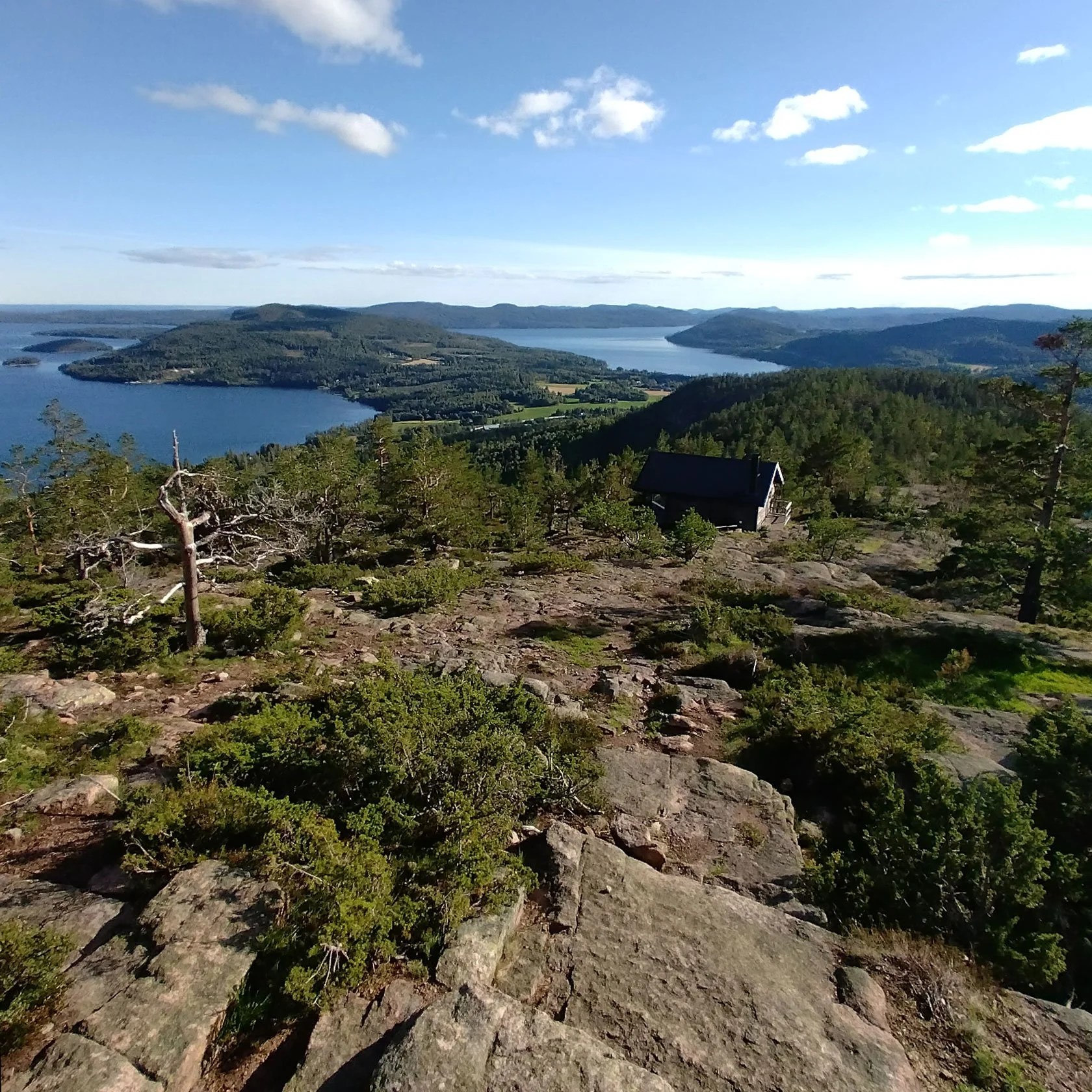
Check-out is by 11am — but the morning is still yours. Coffee by the sea, a last slow walk on the piers… or a short "goodbye hike" if you want to move your body before driving again.

Host tip #3 (use the morning for a small secret):
Departure mornings are perfect for something simple and close — like Per Olsbo, or another short local walk I can recommend based on your timing. It's a small ending, but it often becomes the moment people remember most.

This is how people end up saying:

"We explored less frantically… and felt so much more."

Three nights? Even better. Because if you have 3 nights, you don't need 20 options. You need 3 good ones — and time to actually rest between them.

One more thing that helps (especially for first‑timers): I’ve put together free web‑based High Coast mini‑guides in 5 languages. No download, no payment — just open and start planning.

It’s the same kind of orientation I give at the pier — just in your language.

Free mini-guides (5 languages): English → | Svenska → | Deutsch → | Suomi → | Italiano →


Why Docksta works as a Base Camp

Back in 2006 we even used to say we were "mitt i Höga Kusten" — and in a way it's true. But Docksta is not "in the middle of everything". The High Coast doesn't really have a single middle.

What Docksta is, is strategic. Because from here you get:

  • access to both sea + mountain vibes (mellan land och vatten)
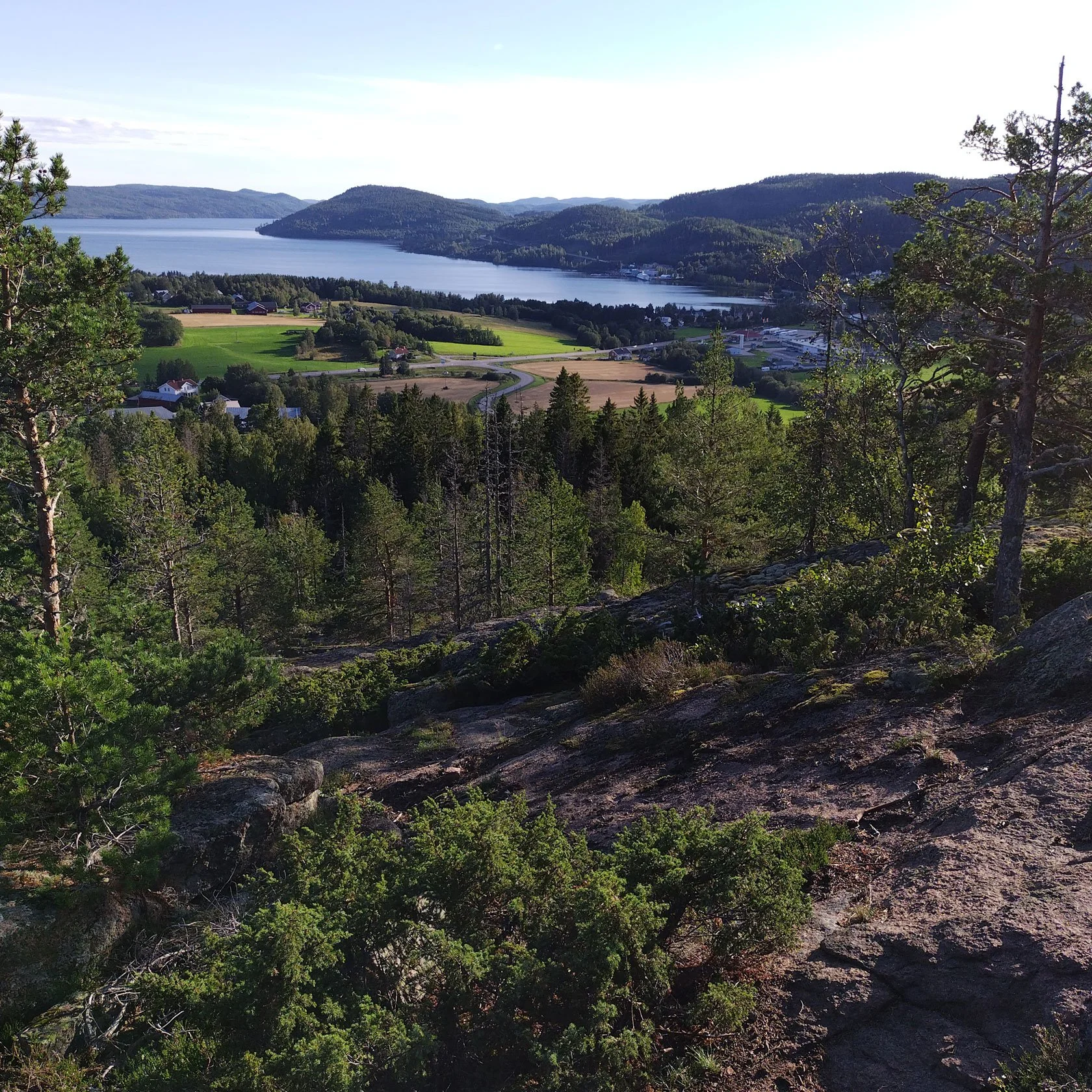
  • day trips in multiple directions — with a wide variety of outdoor fun

  • a re-energizing waterfront place to recover (quiet evenings, slow mornings)

  • and — this is the part you don't find on booking photos — local orientation: the small choices that turn a big territory into an easy adventure

Because the real time-saver is not driving faster. It's making better choices.


If this sounds like your kind of trip

This is for intentional holiday couples.

The ones who want nature, but not chaos. Freedom, but with a smart structure. A place that feels personal, not anonymous.

You don't want to "collect" the High Coast. You want to feel it.

And you want your days to have a rhythm:

  • one good hike

  • one good view

  • one quiet evening

  • one morning that starts slowly

  • and enough space to be surprised

Base Camp hosting is built exactly for that.


Different travellers, same Base Camp logic

Whether you arrive with kids, with a boat, or alone with just one small backpack, the idea stays the same: fewer transitions, better choices, and a calm place to land.

If you're a family: Base Camp means fewer transitions, fewer negotiations, more calm.

If you're a sailor: Base Camp means safe mooring and shore leave that turns into discovery (not just services).

If you're a hiker or trail runner: Base Camp means a quiet place to recover, people who understand your goals with real local tips on routes and timing, and someone who understands why you came.

If you're on a motorbike / road trip: Base Camp means that even one night can feel like a real High Coast moment.


Visual guide (interactive map)

My recommended High Coast destinations from Docksta — zoom in and save it for later. Read also: Exploring the High Coast, the destinations (Real Days, Not Checklists) >


Start here: my Base Camp Shelf (4 ways to choose your days)

When you're building your High Coast menu from Docksta, I usually think in shelves. Not because it's a rigid system — but because it reflects how people actually explore: some days you want the iconic moments, some days you want the adrenaline, and some days you just want to disappear into quiet forest.


Anchor Days (must-have)

These are the days that define a High Coast visit. First-timers, repeat guests — everyone comes back to these:


Hidden in Plain Sight (classic highlights, deeper rewards)

These are the names you'll see in every official guide — and that's fine. The difference is that, with the right timing and a couple of local details, they stop being "tourist stops" and become real High Coast moments:

  • Bönhamn village

  • Norrfällsviken & Storsand (village + one of the most special beaches in the area)


Peak Moments (adventure + viewpoints)

The days that make you feel alive. Big energy, big photos, big stories:


Slow Gold (quiet forests + islands)

The ones people don't always plan for — but they're often the days that stick with you. Less famous, more yours:

You'll find detailed guides & stories here:


Base camp isn’t just a holiday concept anymore.

More and more people travel with a laptop in the bag — not to “work on vacation”, but to live with a bit more space: a few focused hours, then a real trail, then the sea. The same logic applies: one base, a few good days, no logistics spiral.

One calm base. Real days. Enough space to breathe.

If that’s your rhythm, you’ll probably like our Workation Escape (quiet waterfront stays + nature access).


Why I call it Base Camp (a 2 decades story)

And here's the thing: Docksta Havet was built on this Base Camp idea from day one. In 2026 it will be twenty years since we bought the property and started shaping it as a thinking point for High Coast exploration. From the start, we were already encouraging sailors to go up Skuleberget — not just to dock and leave, but to actually step into the landscape. The concept has been our compass ever since.


Rainy day? Still fine.

The High Coast is honest. Sometimes it rains. Sometimes it's windy. A Base Camp helps because you don't panic-plan — you adapt.

[See: Rainy Day in the High Coast: Real Talk]


Know your host (and what else lives inside this Base Camp)

Docksta Havet is a Base Camp because we've been building it like that for twenty years — but also because I’m not just a host. I've spent most of my life working with communication, and I've spent just as much time learning what nature does to us when we finally slow down.

That's why, alongside day trips and logistics, you'll also find two things that are very close to my heart:

  • SKOGSPAUS Experience — a guided hammock forest immersion (small groups, slow pace, real reset). It's for couples who don't want to "do more", but want to come back from the High Coast feeling lighter. [Discover more]

  • SKOGSPAUS (the book) — the deeper framework behind this way of hosting and exploring: presence, listening, and the art of not rushing what matters. If you want to bring the High Coast’s forest whispers home, this is where they live. [https://ko-fi.com/skogspaus/shop]

You don't need any of this to enjoy the High Coast.

But if you're the kind of traveller who feels that a holiday can be both beautiful and meaningful — you'll understand why it belongs here.

And this is often what couples tell me at the end:

"We thought we needed a full list. We left with one perfect memory."


Want me to sanity-check your plan?

Want me to sanity-check your plan?

Send me three things: your dates (or rough window), how many days you have, and what kind of day you’re really after. I’ll tell you what’s realistic from Docksta — and what’s not worth the effort.

The goal isn’t to do everything.

It’s to come back to the pier at the end of the day and feel: “Yes. That was it.”

If you want a base that makes that easy, Docksta Havet Base Camp is right on the water — close to the trails, the viewpoints, and the heart of the World Heritage Site’s beauty.

Book your base:

  • the Boathouse [See more] — minimalist, over the water

  • the Dock House [See more] — cozy for couples

  • the Guest House [See more] — spacious + seafront + full kitchen

Ask me: dockstahavet@gmail.com

See you on the pier!

_Tommaso

Forest Pause in the High Coast

Forest Pause in the High Coast (Sweden) — From outdoor doing to forest being

Looking for a calmer High Coast moment? Try a simple forest pause: less route, more room. A no-guru guide to slowing down in pine forests—plus a gentle way to try it from Docksta.

🌿

THE FOREST IS NOT ONLY FOR DOING

Most people come to the High Coast with an outdoor verb in their pocket.

Hike. Run. Climb. Collect viewpoints. Tick the classics.

I love those verbs. I live inside them too.

But there’s another verb the High Coast teaches—quietly, stubbornly, almost against our will:

Pause. Not as “rest after the workout”. Not as “recovery so you can perform again”. Just… pause.

A forest pause is a different kind of outdoor life. It’s not about distance, elevation, or proving anything to yourself. It’s about letting the landscape do what it does best when you stop interrupting it.


Sweden is experimenting with a simple idea

In Sweden, the conversation around nature as support for wellbeing has become more serious in recent years. Not as a trend, but as a practical response to a very modern problem:

we live fast, and we rarely fully arrive anywhere.

A forest pause doesn’t need to be mystical. It can be evidence-friendly and still deeply human.

You don’t have to “believe” in the forest.

You just have to give it time.


My first real pause wasn’t planned

I didn’t discover this through a retreat.

I discovered it the way many good things happen in the High Coast:

by being a little tired, a little curious, and finally willing to stop.

I had been moving through these landscapes like many of us do—measuring, optimizing, chasing the next “best section”. Even when I was alone, I was still performing for an invisible audience.

Then one day I hung a hammock between two pines.

No big plan.

Just a small decision: I’m not going anywhere for a while.

And something changed.

Not fireworks. Not a revelation.

More like a quiet re-ordering.

The forest stopped being a backdrop.

It became a relationship.

I should probably introduce myself properly.

I’m Tommaso — sailor-turned-trail-runner, host at Docksta Havet Base Camp, and the kind of person who keeps learning life from pine forests and weather shifts.

The full story of that first pause is a bit more complex (and honestly, more interesting) than this short version. If you’re curious about what really happened — and what the High Coast forests kept whispering after that day — it lives inside my book Skogspaus.


🌿

TWO WAYS OF MEETING A FOREST

I’ve watched thousands of guests move through the High Coast. And I’ve noticed two very different styles of contact.

1) The forest as a route

This is the classic outdoor way:

  • You enter with a goal

  • You move through the landscape

  • You collect a view

  • You leave with a photo (and maybe sore legs)

It’s beautiful. It’s valid. It’s often the gateway.

But it can also keep the forest at arm’s length.

2) The forest as a home (not yours)

A forest pause is when the forest becomes a home you spend time in — but not your home.

You’re not here to take over the space. You’re here to arrive in it.

  • You choose one small place

  • You arrive slowly

  • You let your nervous system catch up

  • You stop scanning for “what’s next”

  • You start noticing what’s already here

This is where the High Coast becomes more than scenery.

This is where it becomes a kind of medicine — without pretending to be a clinic.


The “Forest Guest” shift (without the guru voice)

I don’t think we need more methods to feel okay.

But I do think we need a different posture.

In Swedish, skogspaus is a simple word: forest pause.

And the posture behind it is even simpler:

Enter the forest like a guest, not an owner.

A guest doesn’t conquer.

A guest doesn’t extract.

A guest pays attention.

A guest adapts.

A guest leaves the place a little better—or at least not worse.

When you approach the forest this way, the pause stops being “doing nothing”.

It becomes a form of participation.


🌿

WHAT A FOREST PAUSE LOOKS LIKE (practical, not precious)

If you want to try this in the High Coast, here’s a clean, no-drama way.

The 60–90 minute Forest Pause

  • Choose one small area (not a route)

  • Leave your phone on airplane mode (or at least face down)

  • Bring water + a wind layer (the High Coast changes mood fast)

  • Sit or hang (a rock, a mossy patch, a hammock)

  • Do nothing on purpose for 10 minutes

  • Then let your attention wander naturally

If your mind keeps making lists, that’s normal.

If you feel restless, that’s information.

If you feel bored, stay a little longer.

The forest is patient.

The hammock version (my favorite)

A hammock is not gear.

It’s a permission slip.

It gently removes you from the “must keep moving” logic.

It makes stillness comfortable enough to last.

And in the High Coast—between granite, pine, sea air, and that long northern light—this simple suspension becomes a surprisingly powerful reset.


Why the High Coast is a good teacher

The High Coast isn’t a soft landscape.

It has edges.

Granite. Wind. Sudden weather. Long distances between things.

And because of that, it teaches something modern life often forgets:

you don’t get to control everything.

A forest pause here isn’t about escaping reality.

It’s not hiking, not therapy, not a workshop. Just a simple practice of arriving.

It’s about returning to it—more slowly.


If you want to try it from Docksta (a gentle invitation)

If you’re staying in Docksta—or passing through—this is one of the simplest gifts you can give yourself:

one honest forest pause.

Not a full-day mission.

Not a performance.

Just a small, real encounter.

If you want, I can suggest a spot that matches:

  • your time window

  • the weather

  • your legs

  • your mood

And if you don’t have gear, we can keep it simple.

Sometimes the best High Coast day is not the one where you did the most.

It’s the one where you finally arrived.


A closing note (for the doers)

If you came here to hike, run, climb, or bike—good.

Do it.

Feel the land.

Earn the view.

Then, at least once, do something that feels almost wrong in a world obsessed with movement:

stop.

Hang between two pines.

Let the forest finish the sentence.

SKOGSPAUS — A FOREST PAUSE, PRACTICED AS A GUEST

Want to try a real forest pause while you’re here?

Send me your time window + legs + mood, and I’ll suggest one clean spot that fits the day.

If you’re traveling light, we can keep it simple with a hammock kit ready at the marina: https://dockstahavet.se/outdoor-gear-rental-hoga-kusten/guides-stories/grabgo-gear-the-hammock-kit-forest-pause-ready

And if you want to go deeper, I also host a guided forest pause (Skogspaus-style) — here are the full details: https://dockstahavet.se/blog/skogspaus-hammock-forest-experience-hoga-kusten

Email: dockstahavet@gmail.com

If you prefer to book directly, here’s the Skogspaus Airbnb Experience: https://airbnb.com/x/skogspaus-high-coast


🌿

ABOUT ME (Docksta base camp)

I’m Tommaso, host at Docksta Havet Base Camp — a small guest harbour and simple waterfront lodgings in the heart of Sweden’s UNESCO High Coast. I spend my seasons between sea and forest, helping guests find the kind of outdoor days that feel real (not rushed).

SKOGSPAUS (the e-book): https://ko-fi.com/s/skogspaus

Skogspaus is my way of sharing this practice with you — not as a “tour”, but as a quiet invitation to feel like a guest in the forest.


🇸🇪 SV — Kort sammanfattning:

Letar du efter en lugnare stund i Höga Kusten? Den här guiden handlar om skogspaus — en enkel “forest pause” där du stannar på en plats (inte en rutt), låter kroppen komma ikapp och bara är en stund bland tallar och granit. Vill du prova från Docksta kan jag tipsa om en plats — och om du reser lätt finns hammock-kit att låna.

🇫🇮 FI — Lyhyt yhteenveto:

Haluatko rauhallisemman hetken Korkearannikolla (Höga Kusten)? Tämä opas kertoo metsätauosta (forest pause): valitset yhden paikan (et reittiä), pysähdyt, annat kehon ja mielen rauhoittua ja vain olet hetken mäntyjen ja kallioiden keskellä. Jos olet Dockstassa, voin suositella sopivaa paikkaa — ja jos matkustat kevyesti, meiltä löytyy riippumattosetti valmiina.

Same Work. Cleaner Head. A Micro Work‑Break + Nordic Nature Resets

Micro Work‑Break in Sweden’s High Coast (3–7 Days)

Not a retreat. Not a coworking hype week. Just a simple 3–7 day rhythm: same work, cleaner head — in Sweden’s High Coast.

A simple 3–7 day workation rhythm for young professionals: deep work, Nordic nature resets, and a calm base by the sea in Sweden’s High Coast (Höga Kusten UNESCO).

There’s a specific kind of tired I see a lot.

Not “I need a vacation” tired. More like: “I’m doing fine, but I’m always on.”

So this isn’t about escaping work. It’s about changing the signal for a few days.

Same tasks. Cleaner head. Sea air in the morning. Trails and forest in the afternoon. Long Nordic light in the evening.

Docksta is one of those places where it’s all close: mountains, forests, archipelago — inside the Höga Kusten UNESCO World Heritage landscape shaped by post‑glacial uplift.

That’s why 3–7 days here can feel like more than a break.


What a Micro Work‑Break is (my simple definition)

A Micro Work‑Break is a short, intentional work‑and‑nature reset (3–7 days) for people who are building a career (and a life) at the same time.

You keep the work. You change the signal.

It’s designed to help you get back one piece of your life you feel you’re losing:

  • your attention (without constant switching)

  • your body (without living in a chair)

  • your evenings (without scrolling yourself into midnight)

  • your sleep (without carrying the day into the night)

  • your sense of direction (without overthinking everything)

It’s not about doing less — it’s about doing it without the noise, for long enough that your system actually settles.

What it is

  • Short by design: long enough to shift your rhythm, short enough to stay light

  • Simple: one daily work block + one daily reset outside

  • No performance: no program, no “transformation week”

  • Nordic‑nature backed: sea air, forests, trails, viewpoints — inside a UNESCO World Heritage landscape

What it isn’t

  • a retreat with a schedule

  • a networking week

  • a “work from beach” fantasy

  • a productivity bootcamp

  • a place that tries to entertain you


Why this works (25–35, building years)

If you’re in your 20s or 30s and you’re building something — career, business, portfolio, client work — the brain rarely turns off.

The problem is not motivation. It’s fragmentation.

Constant switching. Background noise. The feeling that even rest must be “earned”.

A Micro Work‑Break works because it removes two things at once:

  • too many choices (what to do, where to go, what’s worth it)

  • too much stimulation (screens, city rhythm, social pressure)

And it replaces them with something simple:

  • one clear work block

  • one real reset outside

  • one calm evening

The goal is not to do more. The goal is to work clean — and feel human again.


The Docksta rhythm

Copy/paste this and make it yours.

Here’s the version that works for most people — minimalist, realistic, repeatable:

  • Morning: Deep Work (2–3 hours)
    One task. One document. No multitasking.

  • Midday: Reset (45–90 minutes)
    A trail, a shoreline walk, a short climb — something that changes your breathing.

  • Afternoon: Light Work (60–120 minutes)
    Admin, emails, editing, planning.

  • Evening: Low stimulation
    Simple food. Slow walk. Early sleep.

You don’t need a perfect week. You need a rhythm that doesn’t get eaten by noise.


Why the High Coast helps (Nordic nature, not a playground)

The High Coast is big — and that’s exactly why it works.

You can go from sea level to panoramic views fast. You can hike, run, bike, or simply walk until your nervous system remembers how to downshift.

And because this landscape isn’t built for entertainment, it does something rare: it gives you space to think without asking you to perform.

Here, nature isn’t decoration. It’s the infrastructure.


Why the High Coast works (for real life, not for content)

The High Coast isn’t a “playground” built to keep you busy. It’s the opposite: a big, quiet landscape that doesn’t demand anything from you.

You can get a real reset fast — sea air, forest trails, a viewpoint — and still be back in time for a clean work block. That’s the point: nature that fits into your day, not a day that gets swallowed by planning.


The July note (without changing the strategy)

My honest advice is still: May–June and mid‑August to mid‑September are the sweet spots for a Micro Work‑Break.

But yes — July can work, especially for international guests who travel when they can.

The trick is to choose a July rhythm that protects quiet:

  • work early (before the day gets busy)

  • reset late (long light evenings are your friend)

  • keep adventures micro (short trails, short rides, one good viewpoint)

You don’t need the empty season. You need a rhythm that doesn’t get eaten by noise.


Docksta as a base camp (not a concept hotel)

Docksta Havet is a small waterfront base camp. Not a resort. Not a coworking space with a “nature view”.

You get:

  • reliable WiFi

  • quiet work corners (and espresso energy)

  • immediate access to trails, viewpoints, and sea resets

  • a host who actually lives the landscape

If you want to keep it simple, just choose a waterfront stay and build your rhythm around it.


Outdoor Ready = arrive light, still get a full High Coast day.

If you travel light, you can also unlock an Outdoor Ready day with simple gear rental (Grab&Go) — bike, daypack, hammock kit — without bringing half your basement.


If you can stay longer (Workation Escape, 7–21 days)

Sometimes 3–7 days is exactly what you need: a clean reset and a softer landing back into life.

But if you feel you’re carrying something heavier — a bigger decision, a longer creative project, or a season of “I need to rebuild my rhythm” — then the deeper format is a Workation Escape (7–21 days).

Same philosophy, more space:

  • less rushing

  • more repetition (this is where calm becomes real)

  • more nature windows

  • a rhythm you can actually take home

If you’re unsure, start with the Micro Work‑Break. It’s the honest entry point.

Go deeper (Workation Escape index)

If you want the longer format (7–21 days) and the full library of quiet routes and shoulder‑season rhythms: Workation Escape [index]


Start here (practical)

If you want the practical overview (timing, rhythm, and simple planning), start here: → Micro Work‑Break guide

Prefer a quick starting point? Open our practical Mini-Guides: 🇬🇧 English → | 🇸🇪 Svenska → | 🇩🇪 Deutsch → | 🇫🇮 Suomi → | 🇮🇹 Italiano →

If you want one human answer before you decide anything, send me:

  • your dates

  • one piece of your life you want back

  • your preferred pace (calm / medium / active)

I’ll suggest a simple rhythm that fits.


Meet your host

Tommaso De Rosa

See my host profile and message me on Airbnb chat.

If you want one simple recommendation, message me on Airbnb with your dates + pace. I’m quick to reply (especially in season).


Autumn's First Whisper: When the High Coast Reveals Its Golden Soul

Early September in Höga Kusten: The High Coast’s Golden Season (Guide + Tips)

A host’s time‑travel note from early September in Sweden’s High Coast (Höga Kusten): golden light, Skuleberget hikes, trail running, and a chance of northern lights.

It’s February as I write this. The High Coast is still in its quiet, fully white season, and spring’s rebirth still feels far away.

But winter is exactly when I like to remember the most underrated window of the year: early September — the moment when summer softens, the forest changes tone, and everything becomes more intimate.

This post is a small time‑travel note from that season-between-seasons. And if you’ve ever felt that you don’t need more activities, but a deeper kind of reset, September is also when Skogspaus makes the most sense: a simple forest pause before the long darkness of late autumn.

Here, I remember for you.


The Magic Hour That Lasts All Day

The light has begun its gentle retreat, painting Skuleberget in shades of amber and rust. Here on the High Coast in September, the forest whispers secrets that only those who truly listen can hear – stories of transformation, reflection, and the bittersweet beauty of seasons turning.

Standing on our marina dock, warm espresso aroma mixing with the crisp September air, I watched the sun cast its golden net across the Docksta fjord. There's something profoundly different about Nordic autumn light – it doesn't just illuminate; it transforms. The harsh brightness of summer has mellowed into something warmer, more intimate, like nature's own Instagram filter applied to the entire landscape.

This is the light photographers dream about, the kind that makes even the most amateur smartphone shots look like magazine covers. But more than that, it's the light that changes how we feel about a place.

September in the High Coast isn't just about what you see – it's about what stirs in your soul when the world begins its slow dance toward winter.


Skuleberget’s Autumn Symphony

Yesterday, I hiked Grottstigen up Skuleberget, and it felt like stepping into a quieter version of the mountain. The granite faces that look so stark in July light were suddenly warm — almost gentle. The birches had started to turn, not the full October fire yet, but the first honest yellows and golds that tell you the season is shifting.

From the summit, looking out over Skuleskogen National Park to the east, you can see the transition happening. Summer’s deep greens begin to break into a patchwork, changing with every gust of wind. It’s on days like this — in these early‑September runs and hikes — that I remember why the High Coast earned its UNESCO World Heritage status. Not just beautiful. Something that lands deeper.

Pro tip for autumn hikers (and trail runners): take Kalottstigen — the trail that follows the ancient coastline, from when Skuleberget was still a small island rising out of the ice. It gives you some of the best views of the shifting colours, especially in late afternoon, when that golden September light hits the rocks and trees around the summit.


Trail Running Through Liquid Gold

For trail running enthusiasts, the High Coast becomes something truly special after summer. In Docksta, early autumn brings a long weekend of racing during Höga Kusten Trail — routes that cross the national park, climb Skuleberget, and touch other panoramic summits nearby. Segments that feel brutal under July’s intense sun suddenly feel like running through liquid gold.

The temperature is perfect — cool enough to push your pace without overheating, warm enough that you don’t need layers. And the light? It’s like having a personal cinematographer following your every step.

That weekend is a magnet for passionate runners, and if you dream of staying seaside you’ll want to book well in advance (see our accommodations). For your own autumn running escape, our Guest House is an ideal home base: space to recover, a full kitchen for real meals, and a sea-view terrace that becomes even more spectacular in September light. The most iconic trails and peaks are right at your doorstep.

And when the day finally slows down, September sometimes gives you one more gift — not on the trail, but above the fjord.


Northern Lights: a September Bonus (Host Tip)

Northern lights are back, too. As the nights finally start to turn dark again (late August into early September), the sky sometimes surprises us with aurora — even here on the High Coast. You don’t have to be in Lapland to feel that kind of magic. On a clear night, the marina can become a front‑row seat: the fjord turns into a mirror, and the green movement above feels twice as alive.

If you’d like to try your luck, here’s my simple host routine. I check cloud cover first (a clear sky matters more than anything). Then I open yr.no (website, or even better the app) — reliable for our local weather, and with an integrated aurora forecast. And when the night looks promising, I step outside for ten minutes — no rush, no photos at first — just letting my eyes adjust to the dark. If you’re staying in the Boathouse, you’re already exactly where you want to be when the sky decides to dance.

Sometimes it’s nothing. Sometimes it’s a quiet glow — and that’s already enough. And sometimes it’s a memory you take home for years.

And after a night like that, the forest feels even quieter the next morning.


Skogspaus: Forest Pause in Autumn's Embrace

If there’s ever a time that truly inspired my hammock forest immersions, it’s September. After the first dark nights return — and the sky sometimes starts to dance again — the High Coast has a different energy then — quieter somehow, as if nature itself is taking a deep breath before winter’s long sleep. My favourite spots in the forest take on an almost mystical quality when filtered through autumn’s golden lens.

Last season, on one of the final Skogspaus weekends, I guided a couple from Germany to one of my favourite rocky pine forests near Docksta. As they settled into their hammocks, surrounded by the gentle rustling of leaves beginning their colour change, I watched something beautiful happen. The stress lines that had been etched on their faces when they arrived began to soften. The constant checking of phones stopped. They simply… breathed.

“This is what we came to the High Coast for,” she whispered to her partner, and I knew exactly what she meant. September in these mountains offers something you can’t find anywhere else — the perfect balance between summer’s energy and winter’s contemplation.

If you want to do it self-guided, we also have simple Skogspaus hammock kits (75 SEK/day) — and I’ll share a few tips for quiet spots.


Skogspaus: Experience Now, Go Deeper Later

Skogspaus has two lives.

  • One is here, in the forest: a 3-hour hammock immersion with me, bookable as an Airbnb Experience during the season (June-mid‑September).

  • The other is on the page: I’m also writing the Skogspaus book — not a trend piece, not a “self-help” manual, but a practical, lived path of nature reconnection for people who want the deeper story behind a simple pause.

  • If you’re planning an early-September stay, message me your dates — I’ll suggest the best day for the experience (and the right spot for the weather).


Sailing into Autumn's Golden Hour

While the sailing season here usually winds down by mid‑August, September offers some of the most spectacular conditions of the year for simply living by the sea. The summer buzz has thinned, leaving the archipelago feeling more intimate, more personal. The water still holds summer’s warmth while the air turns crisp — perfect for those magical late‑season coastal days.

From our fjord, watching Docksta Varvet’s vessels return in the evening light, I’m struck by how different the same view can look. The rocky skerries that felt so dramatic in July’s bright light now appear softer, more welcoming. The water reflects the sky’s changing colours like a mirror, creating double sunsets that take your breath away.

Our Boathouse, right above the water at the marina, offers front‑row seats to these autumn seaside spectacles. Imagine waking up to this view every morning — and ending your day watching the fjord glow in that incredible September light.


Planning Your Early-September High Coast Adventure

If you're reading this in winter (or early spring) and feeling that pull toward the High Coast’s softer season, here’s what you need to know:

  • Best time to visit: the first half of September offers the perfect balance — still warm enough for comfortable hiking, with that distinctive first-autumn light quality.

  • What to pack: layers. Mornings can be crisp, afternoons still warm up beautifully.

Where to stay

  • Guest House: perfect for families or groups wanting space and a full kitchen. That sea-view terrace is magic in September light.

  • Boathouse: for the minimalist traveller who wants to be as close to nature as possible.

  • Dock House: ideal for couples seeking an intimate retreat right above the water (usually available until late August — message me for current availability)

Don’t miss

  1. Sunrise hike up Skuleberget (the light is unbelievable) or late afternoon, trail running the #BIG5 segments (who dress in their warmest colors)

  2. A Skogspaus session in a changing rocky pine forest above Docksta

  3. A full day exploring the National Park (from the first steps by the sea to the panoramas above the trees and the archipelago — Skuleskogen will enchant you)

  4. Evening sea views when the archipelago turns quiet again

  5. Aurora is back: catch the dancing northern lights from your seaside base camp


The Bittersweet Beauty of Transition

There's something profoundly moving about September at Docksta Havet. It's the beginning of our goodbye to another season, but it's also when the High Coast reveals some of its most intimate secrets. The light that seemed so abundant in midsummer becomes precious now, each golden hour treasured because we know how quickly it will fade.

This is when I take longer excursions, explore new segments, linger in the hammock when the sun is already low, and finally see the landscape the way the busy summer months don’t always let you see it. Our guests slow down too — more time on the Guest House terrace, longer hikes, fewer plans… and a deeper kind of presence.


Looking Toward Spring's Promise

As I write this, watching the September light paint our marina in shades of gold, I'm already dreaming of next season. This is the time when we start planning improvements, dreaming up new experiences, and preparing for another magical summer. But it's also when we're reminded of why we fell in love with this place – not just for the busy energy of peak season, but for these quiet moments of transition when the High Coast shows its true soul.

September visitors often become our most passionate ambassadors. There's something about experiencing the High Coast in this transitional light that creates a deeper connection, a more profound appreciation for what makes this place special.

Ready to experience the High Coast’s autumn whisper for yourself? Our accommodations are available through mid-September — and trust me, early September is when the magic happens.

Ciao for now,

_Tommaso

P.S. If you’d like to keep a little thread with us between seasons, you’ll find us on Instagram: @DockstaHavetBaseCamp.

Skogspaus lives here: @Skogspausofficial.
And for the Skuleberget #BIG5 trail vibe: @Skulebergetbig5. (Plus my personal notes from the trails:
@Tominthehighcoast )

Planning an early‑September stay? Message me your dates — I’ll help you choose the best day for Skogspaus based on the forecast

Please write me by email or WhatsApp at +46.763136909


For Exploring the High Coast [index]:

For Hikers [index]:

For Forest Guests [index]: