höga kusten

Coolcation in Sweden: Why the High Coast Feels Like a Summer Reset

A breathable, light-soul summer (no hero mode required)

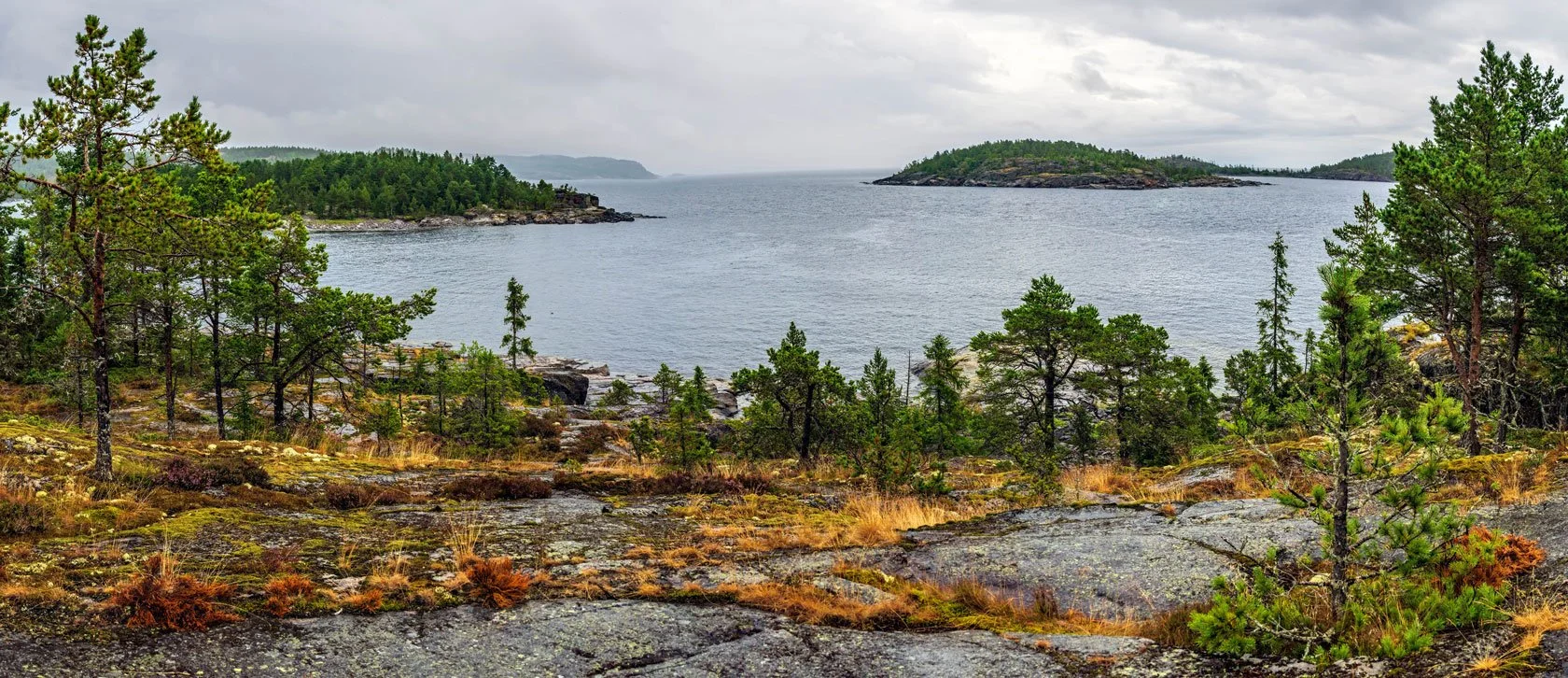
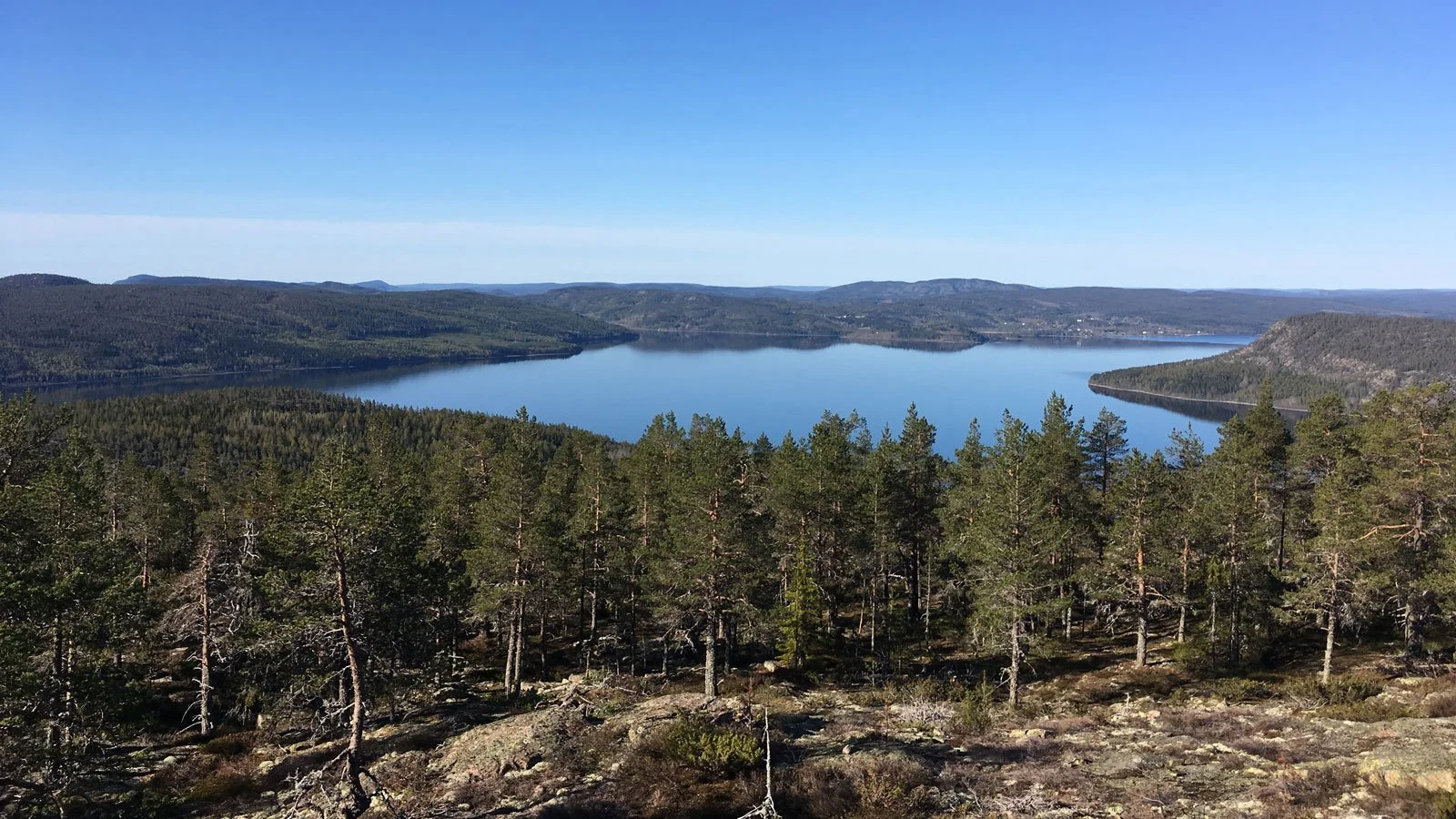
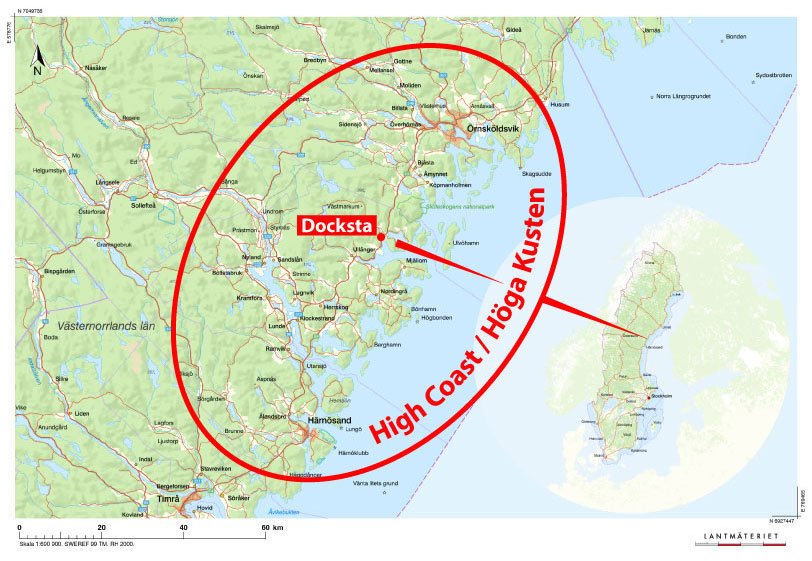
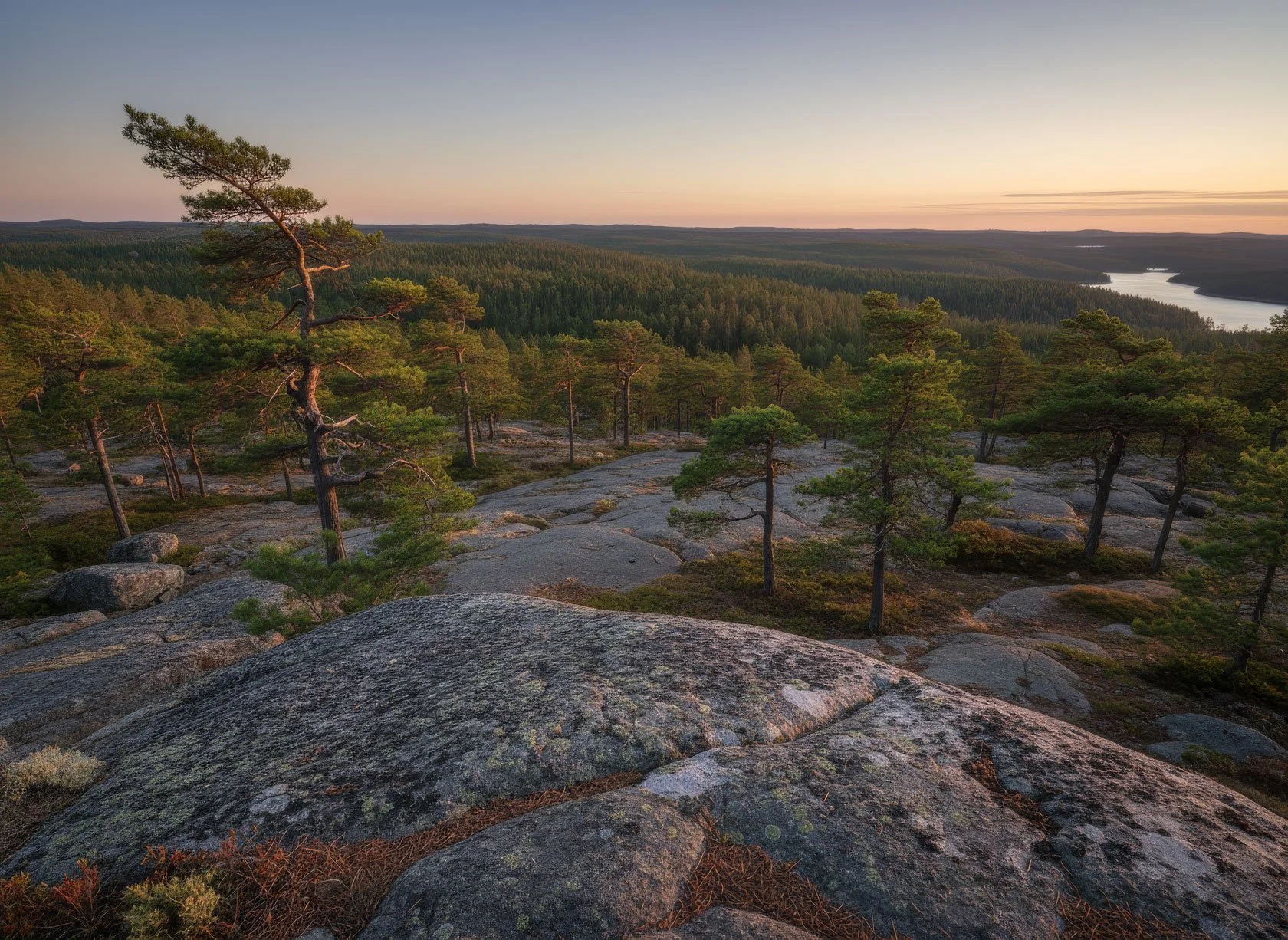
Coolcation in Sweden means a milder summer escape. But it’s not only about weather — it’s about how your days feel when you don’t have to fight the heat. That’s why, in this post, I’ll share both: why the High Coast (Höga Kusten) feels breathable (sea breeze, rocky pine forests, long light), and a simple 3‑day rhythm with Docksta as a calm starting point between forest and sea — the kind of place where you can keep your days simple.
A trend with a real body behind it

“Coolcation” is a trendy word, yes.

But the feeling behind it is very real: you want summer without being cooked by summer.

A place where you can walk, sleep, and think.

The High Coast is not cold. It’s just… breathable.

Some days are genuinely warm here too. The difference is that you usually still have wind, water, and timing on your side — and that changes how the day feels.

I host by the water in Docksta. In July, I watch guests arrive from warmer places with the same expression: relief.
 

What is a coolcation? (simple definition)
A coolcation is a summer holiday in a milder climate — chosen on purpose, not as a compromise. Less heat stress, more outdoor time, better sleep, and a slower rhythm.

The hidden cost of hot-summer travel

Heat doesn’t just change the temperature. It changes the day.

In very hot destinations, you start negotiating with your own body: when to walk, where to hide, how to sleep, how to recover. You end up planning around shade, air conditioning, and “survival hours”.

A coolcation is a different kind of luxury: energy that lasts.
 

Why the High Coast stays breathable (even in summer)
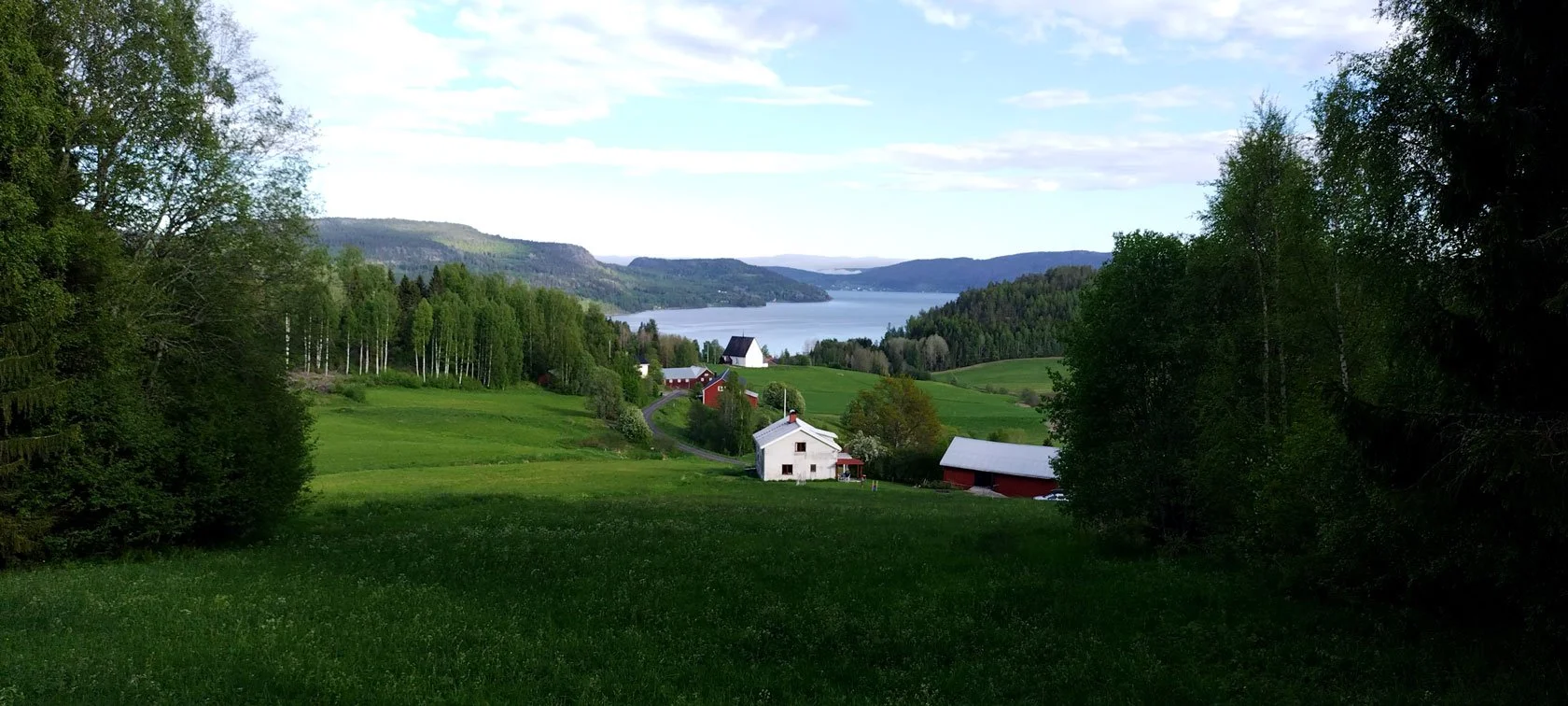
It’s a mix of small things that add up.

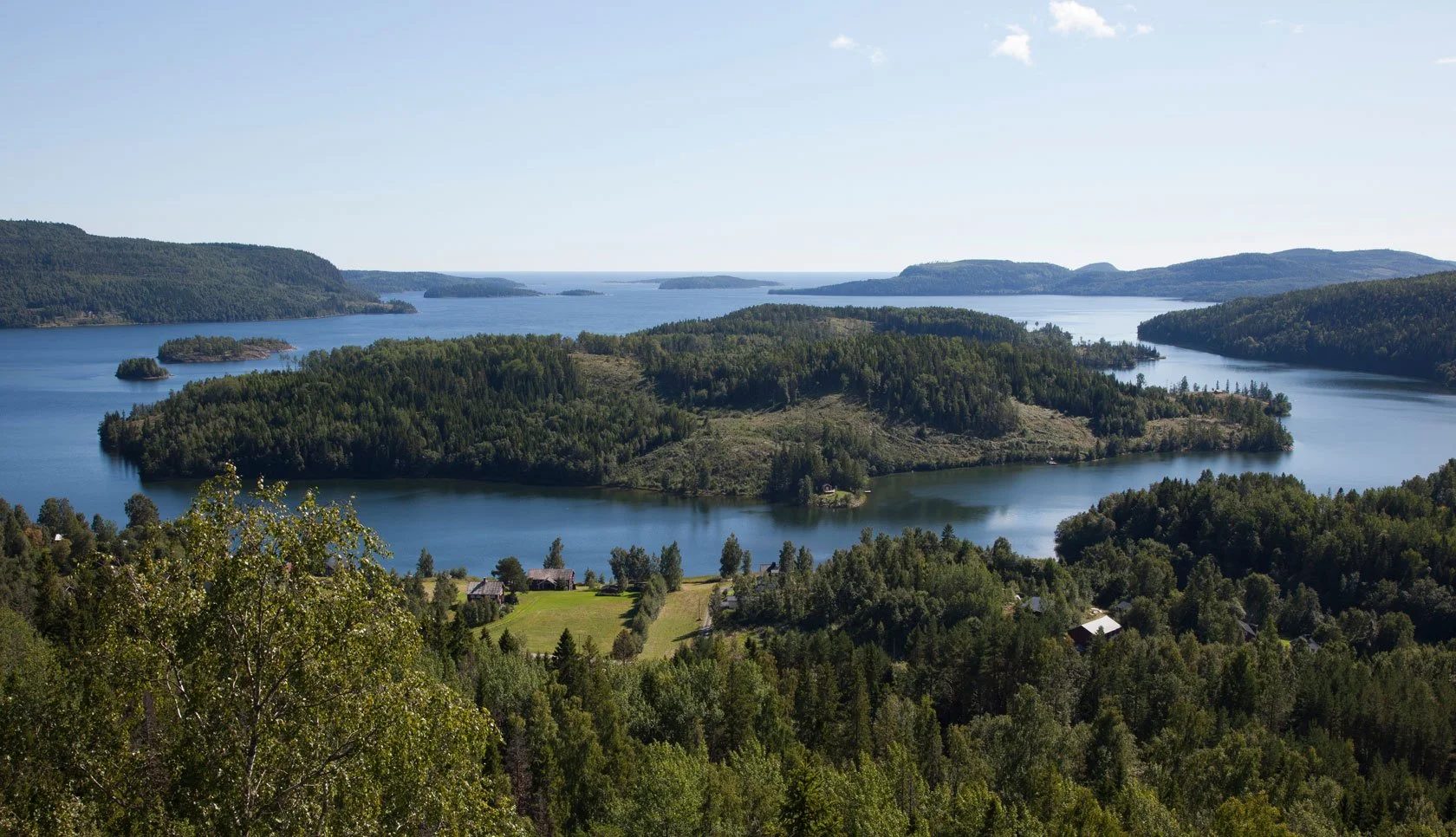
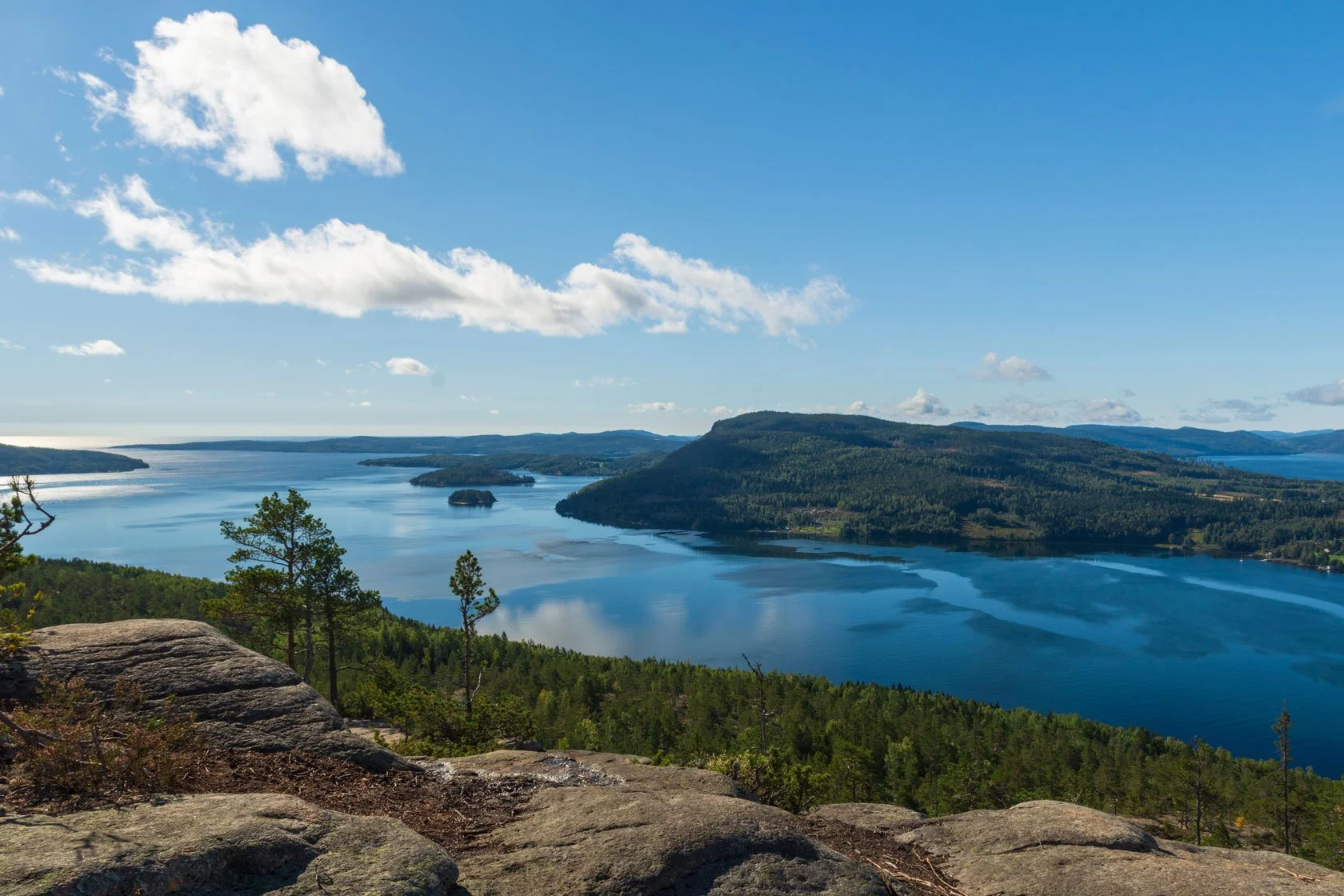
  • The sea is close. Air moves.

  • The landscape is open. You feel space.

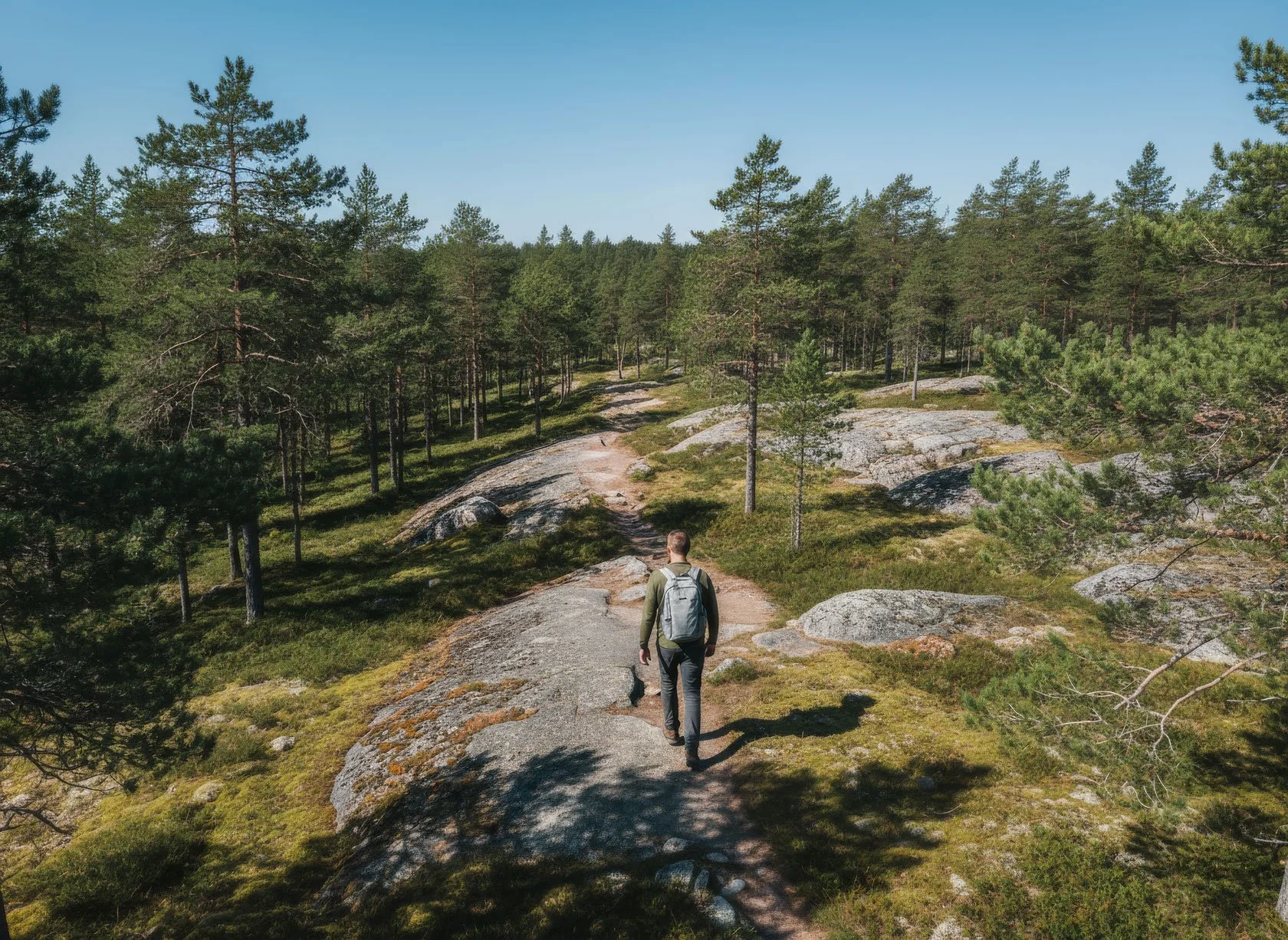
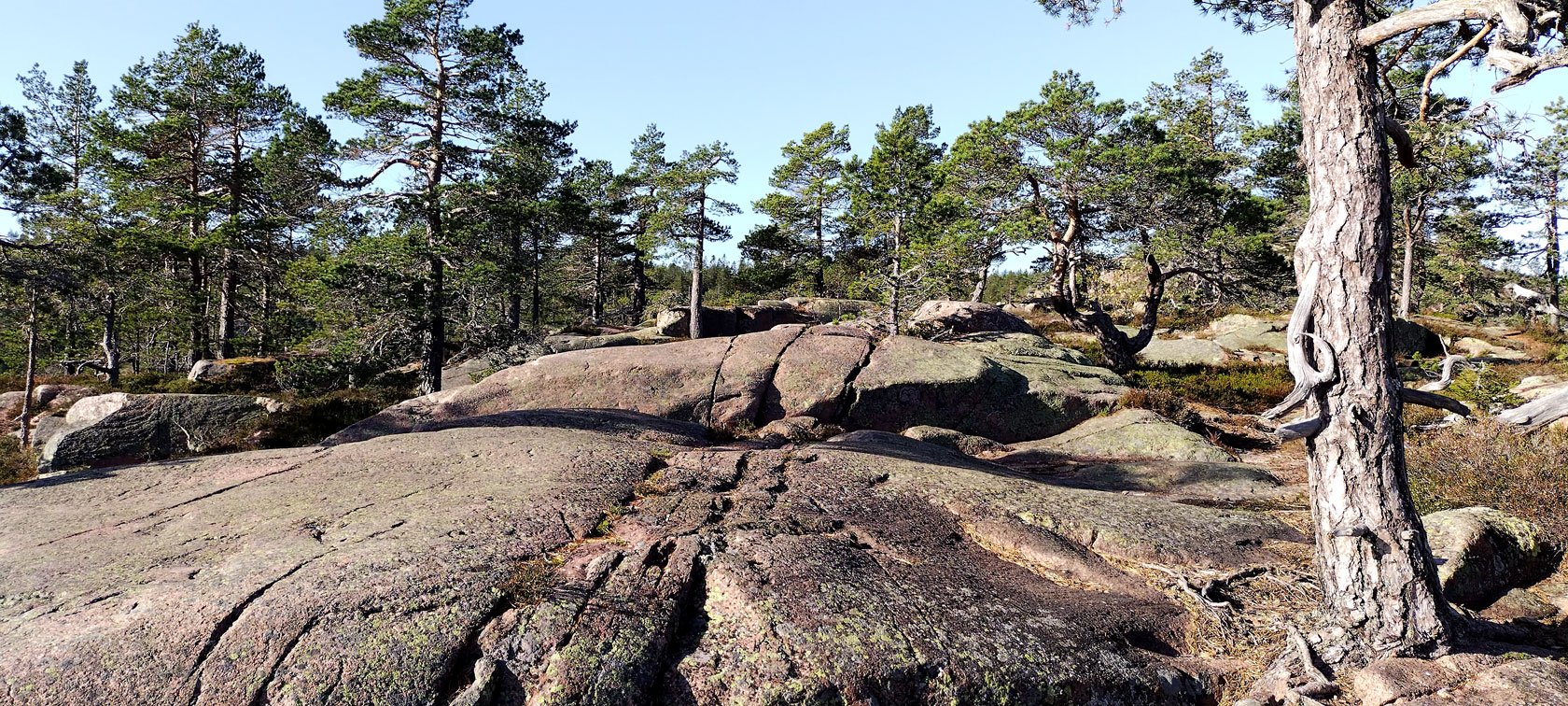
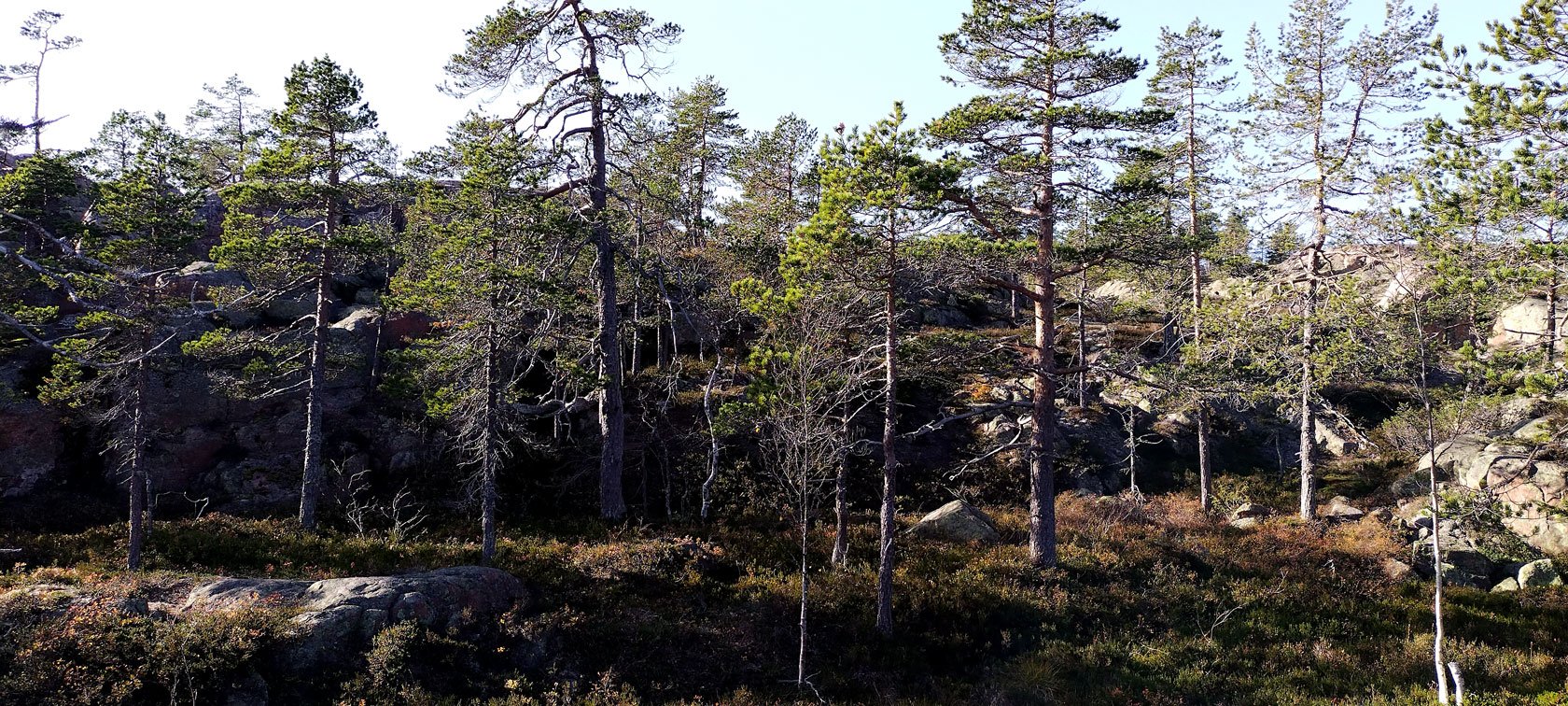
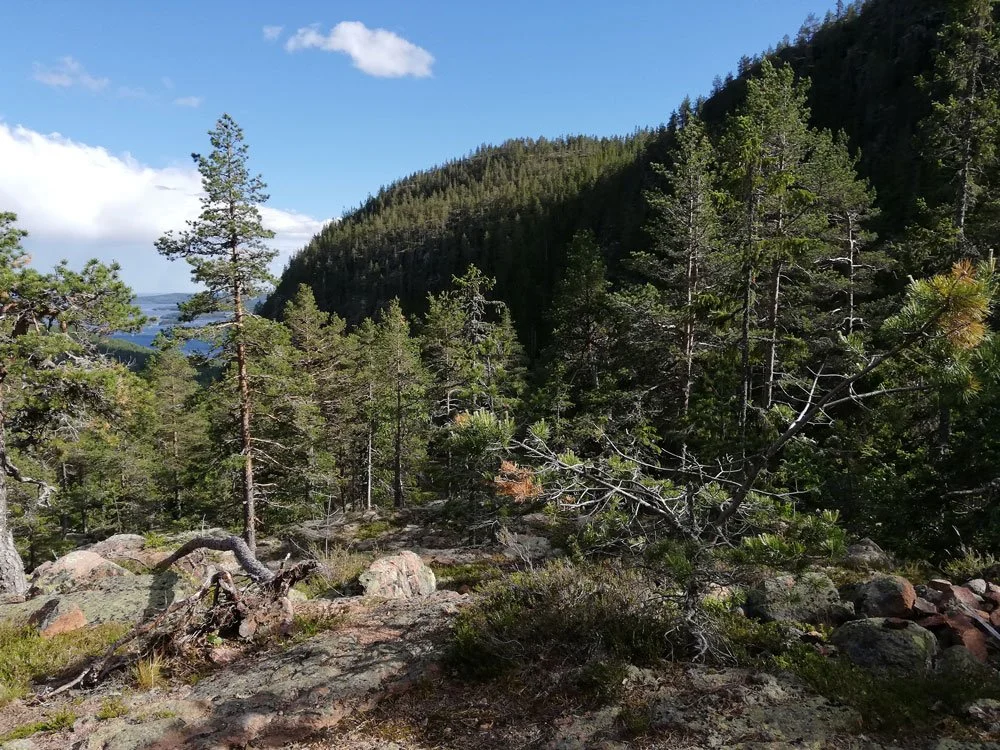
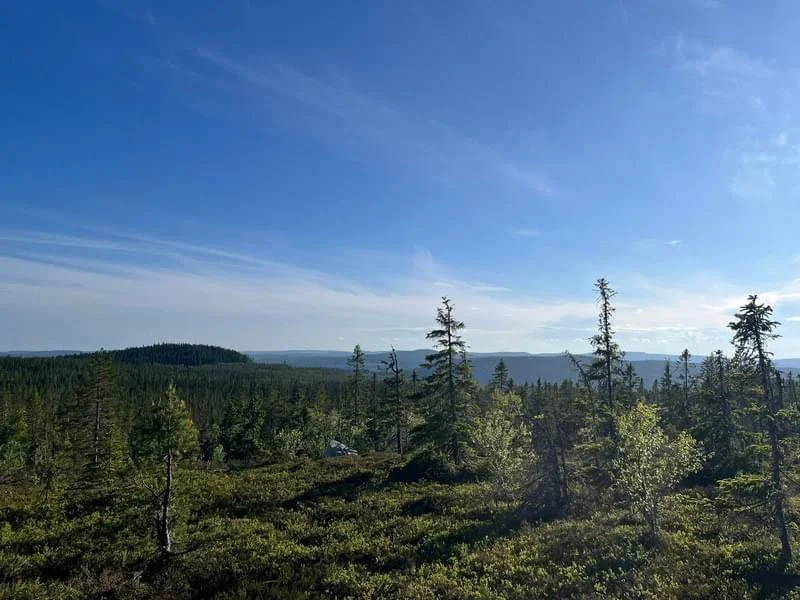
  • The forests are rocky pine forests. Dry, scented, not heavy.

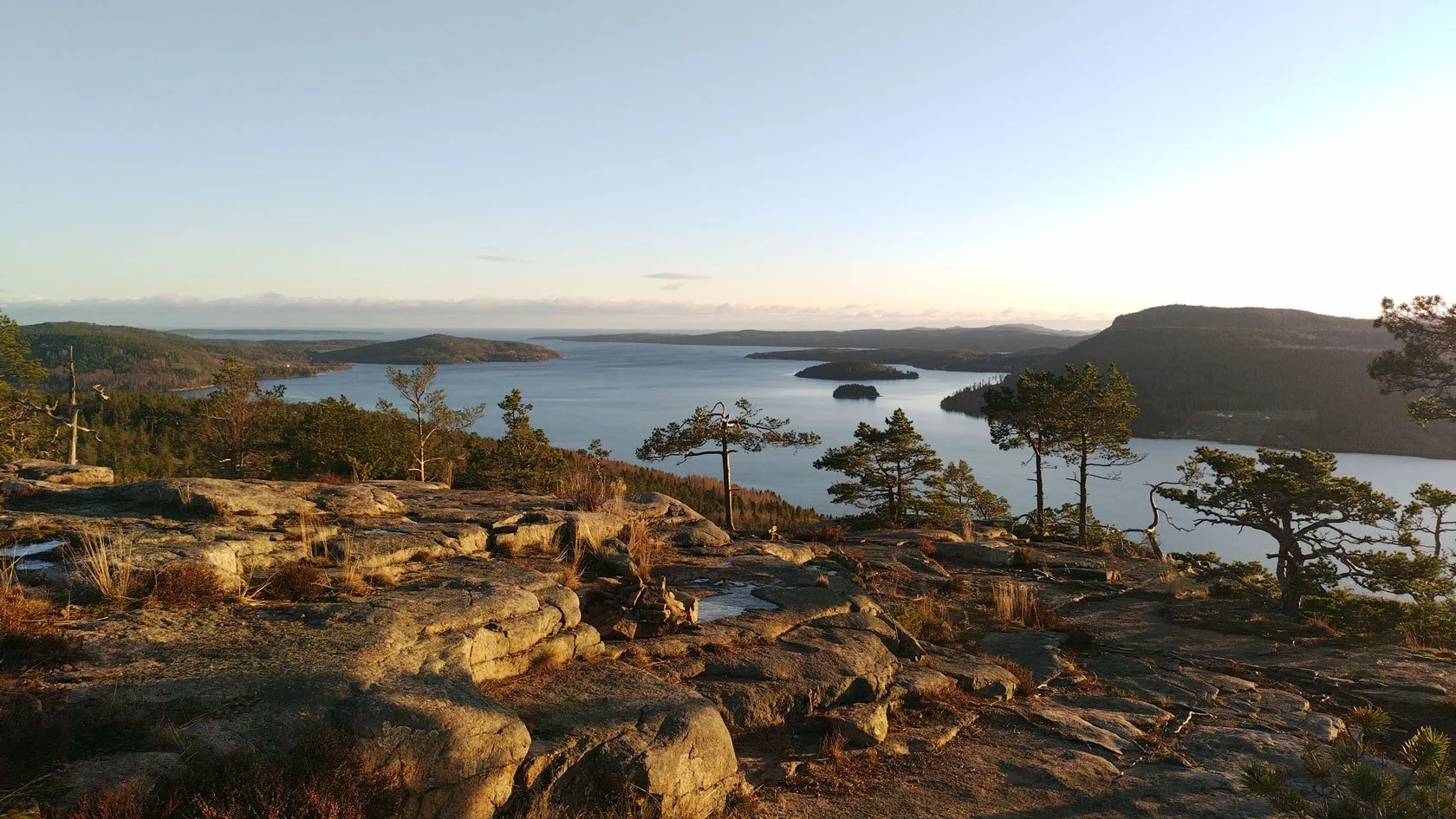
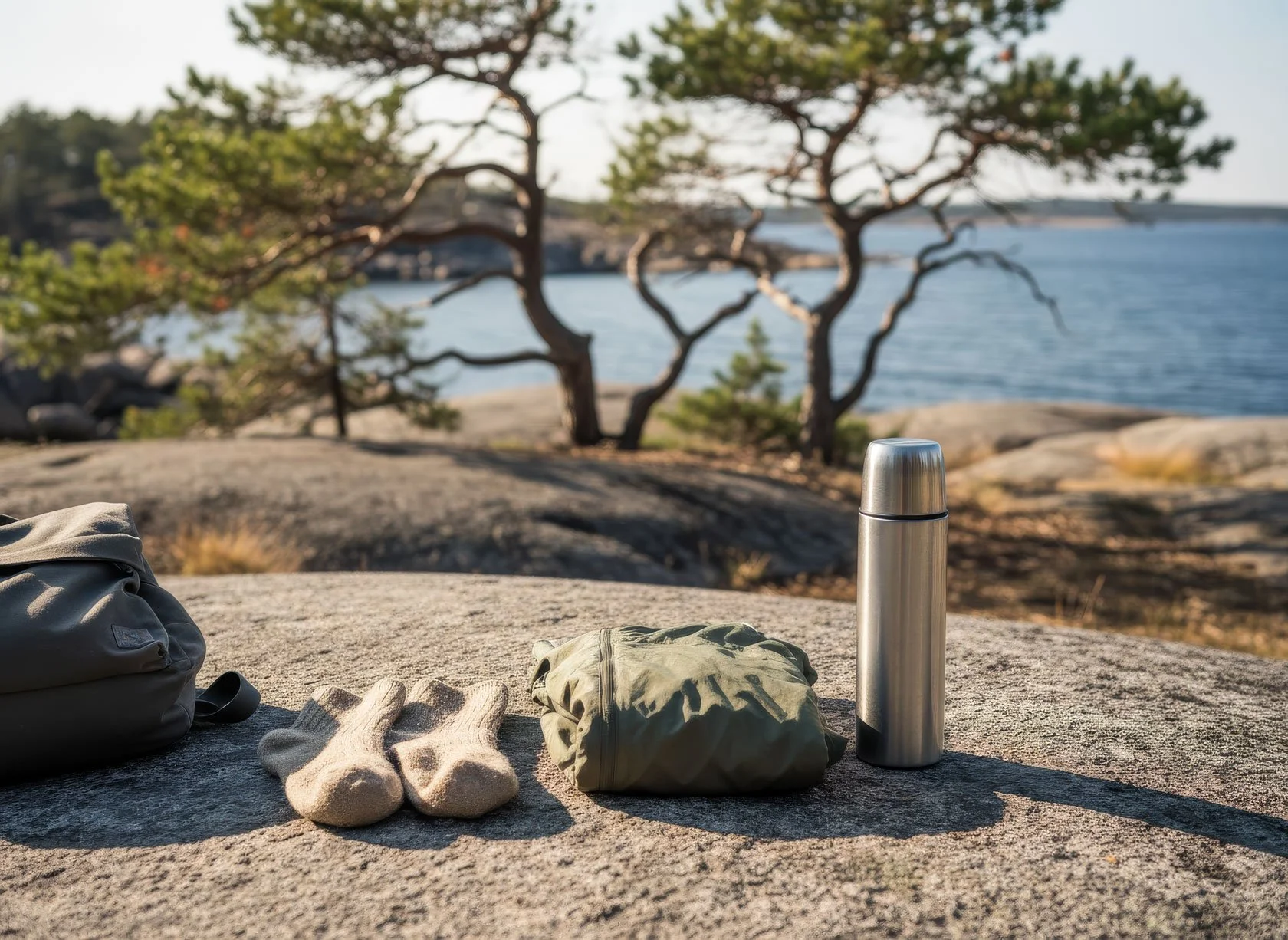
  • The light is long. You can hike earlier or later and avoid the warmest hours. In practice, the coolest hours often feel like a gift: early morning when the forest is still quiet, and late evening when the sun stays low and the air starts moving again. Even on warm days, a small shift in timing — and a light wind layer in your daypack — can change everything.

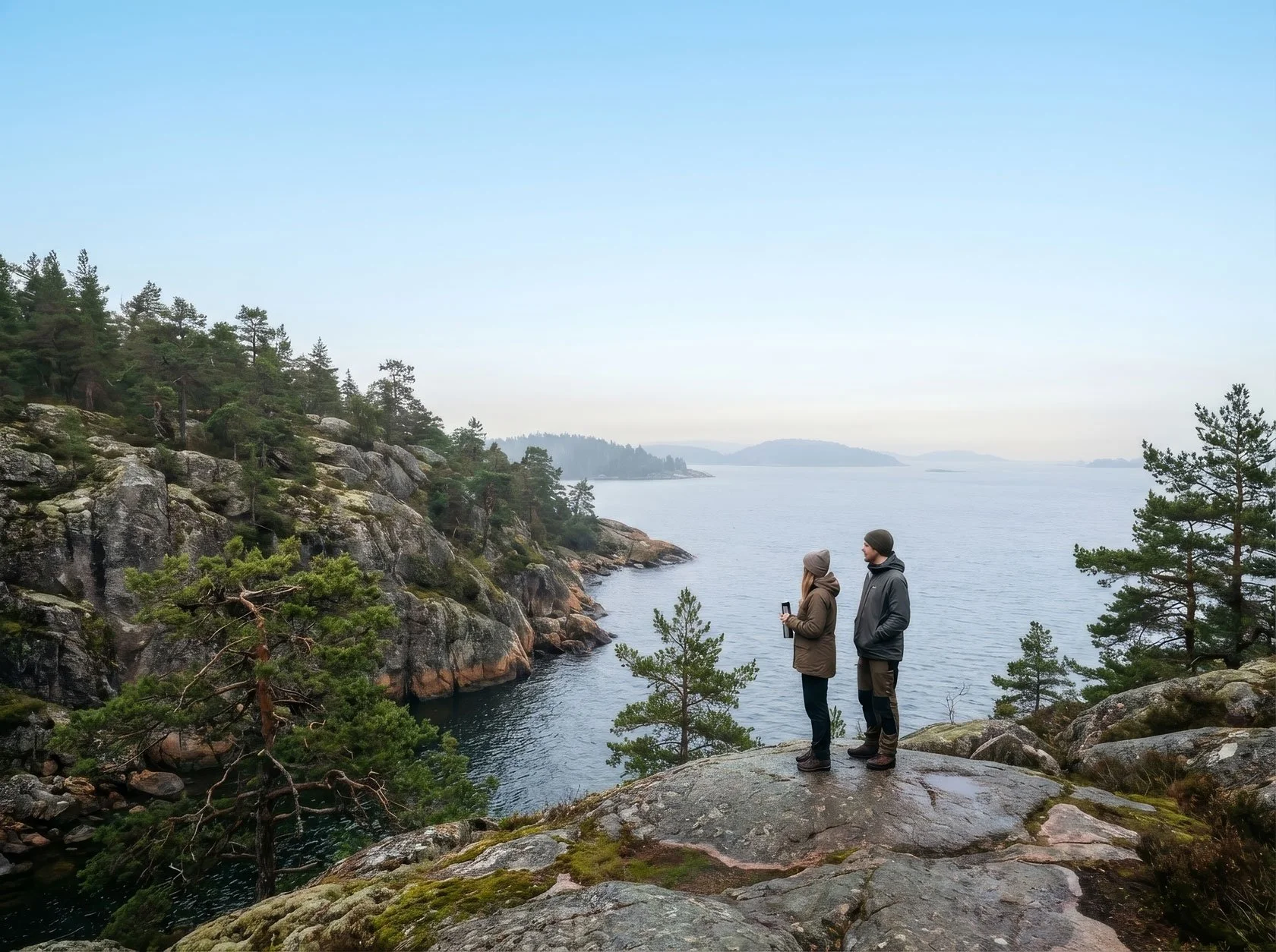
And when you pause — on a rock, by a beach, under pines — the day stops being a race.
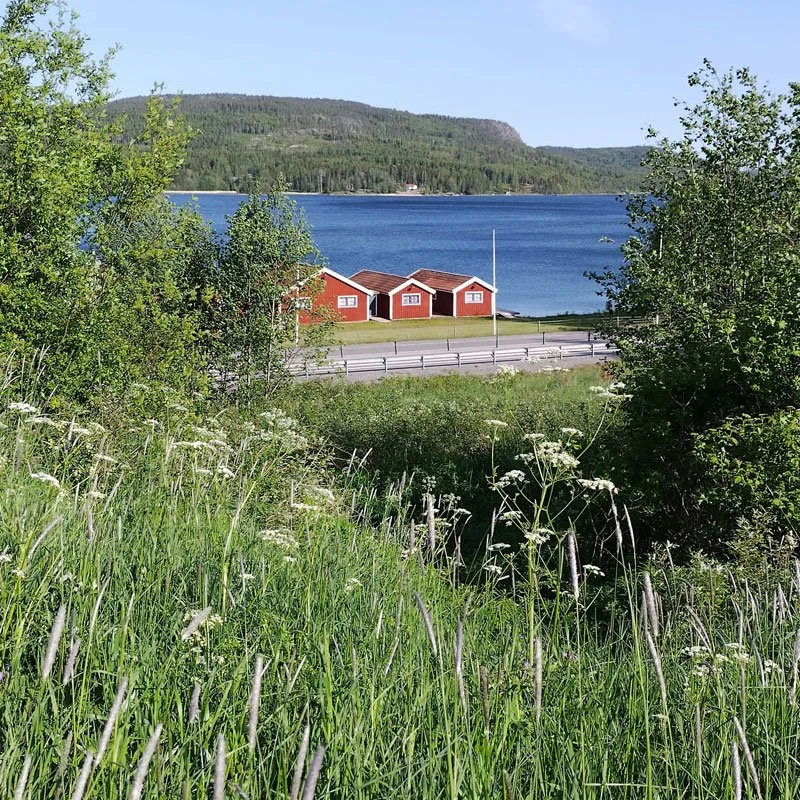
Why “base camp” matters even more in a coolcation

Here’s the part most coolcation articles miss: cool air doesn’t help if you spend your holiday inside a car.

A base camp turns the climate advantage into a real experience. You sleep well, you wake up without decisions, and you can reach trails, water, and ferry days without repacking your whole life.

Less moving. More living.

If you want a simple starting point, here’s our Docksta Base Camp start-here guide: https://dockstahavet.se/blog/start-here-high-coast-day-trips-docksta


A coolcation is not “doing less”. It’s doing it differently
In hot climates, you often plan around shade and air conditioning.

Here you plan around light and wind.

A good High Coast day can be:

  • A morning hike

  • A long lunch with no agenda

  • A swim when the fjord is calm

  • A slow evening walk while the light refuses to leave

Coolcation isn’t anti-summer. It’s pro-summer.

This isn’t about escaping joy, beaches, or light.
It’s about escaping the part of summer that makes everything harder: sticky nights, overheated cities, and days that feel like a task.

In the High Coast, summer still has warmth — but it also has breathing room.

Quick note: Coolcation is a recognised travel trend

Travellers are increasingly choosing milder summer destinations for comfort, sleep, and outdoor time — not just for “nice weather”.
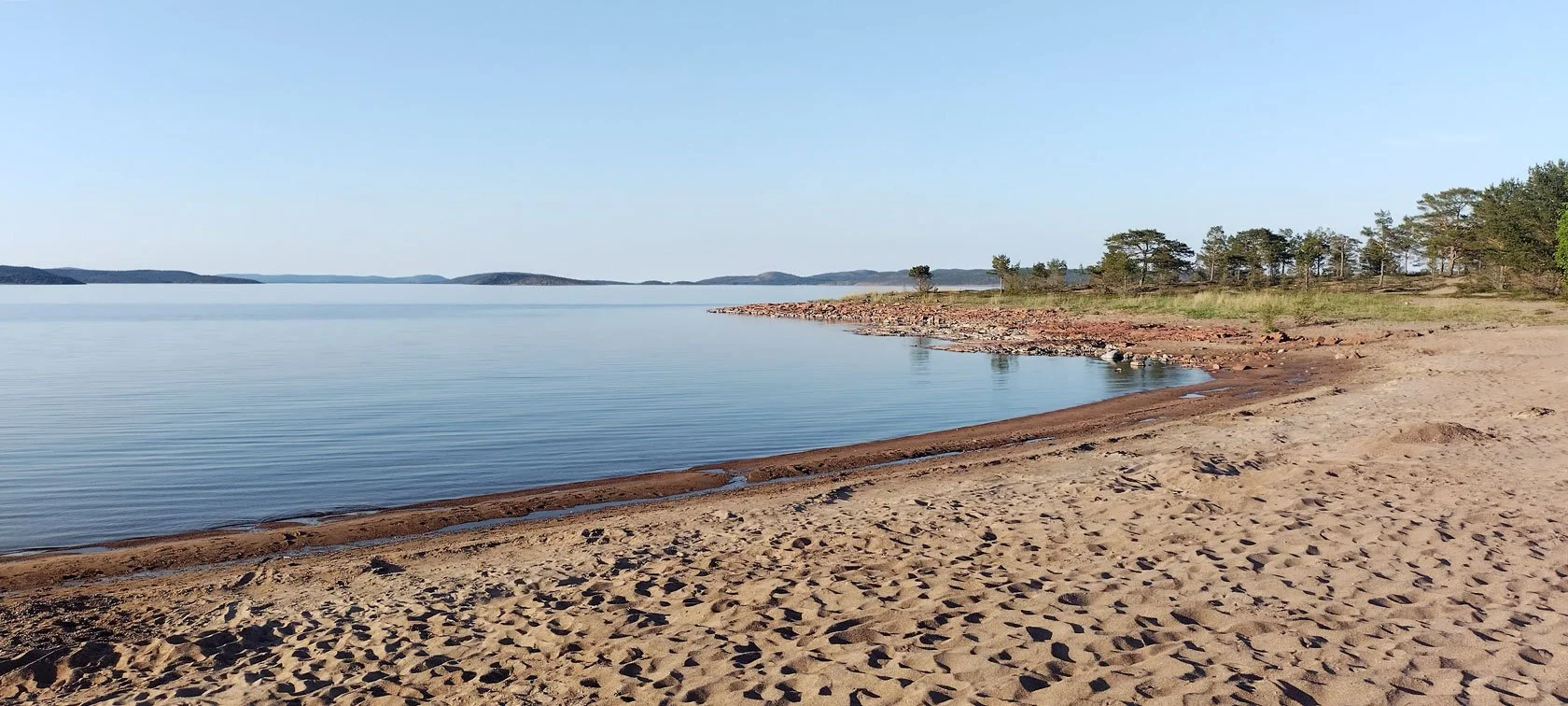
 

A simple 3-day coolcation rhythm (High Coast)
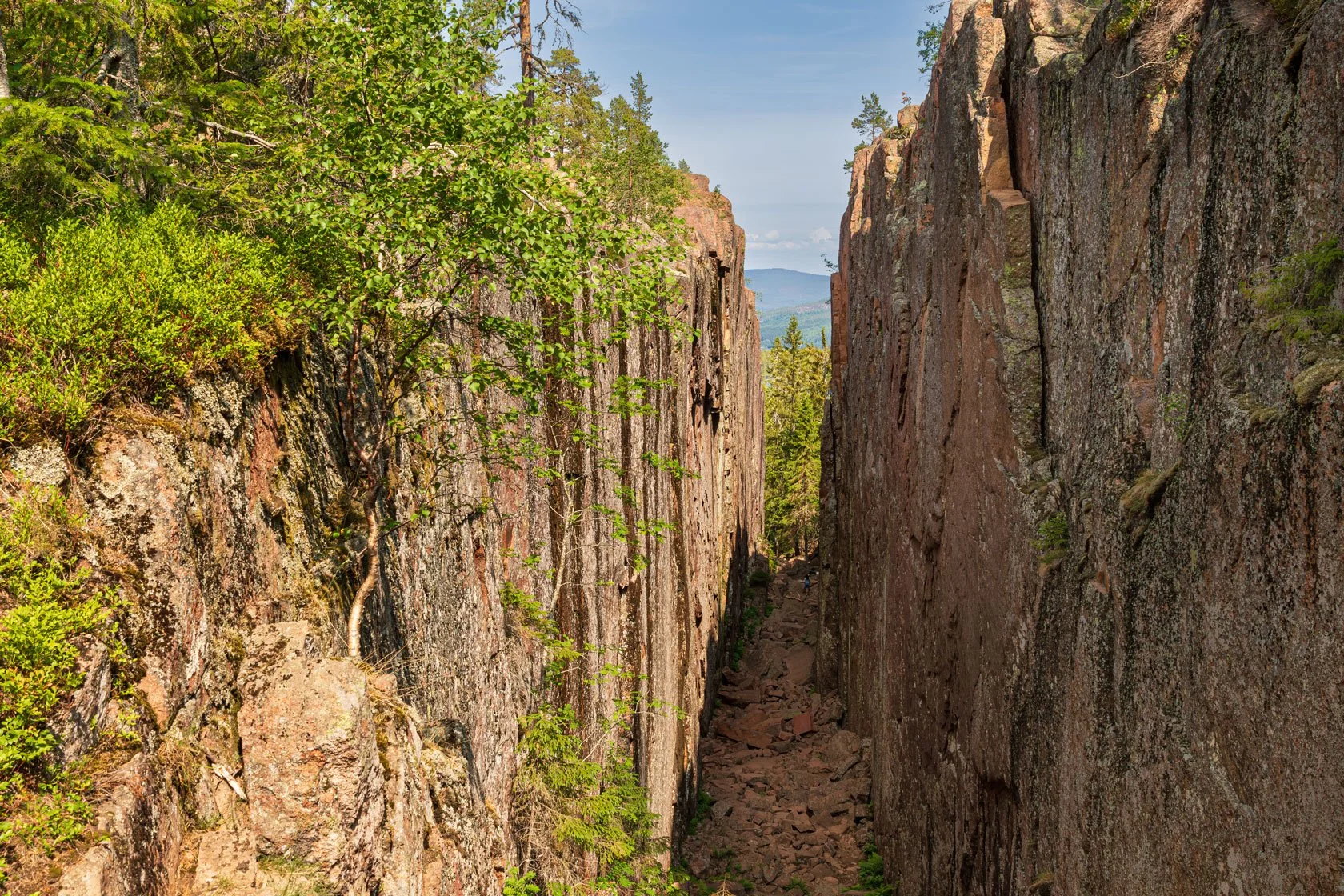
Think of it as a base camp rhythm: one anchor per day, one blank space, and water every day if you can.

Three simple rules for a breathable High Coast day

  1. One anchor per day. Not five.

  2. Start early or start late. Let the light work for you.

  3. Leave a blank space. Swim, nap, second coffee, slow walk — that’s not “wasted time”. That’s the reset.
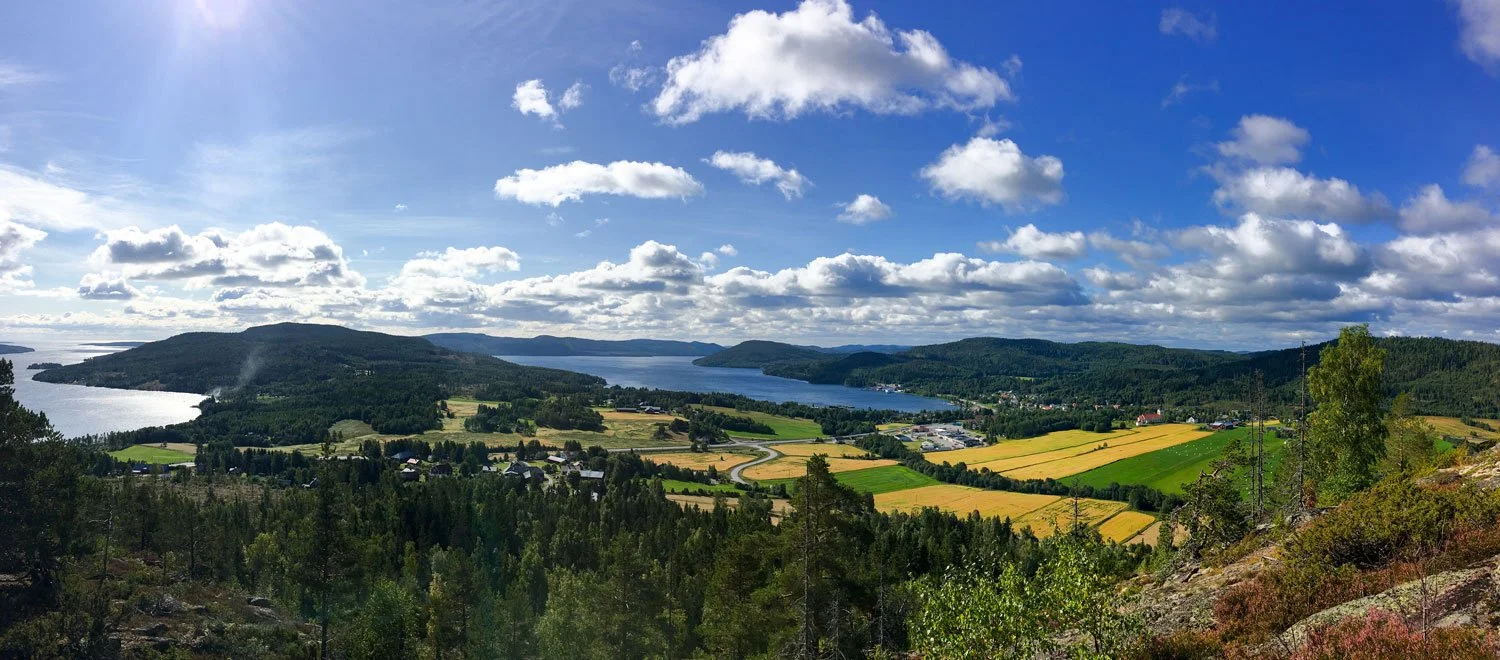
Day 1: arrive + water

  • Short coastal walk

  • Swim if the weather is kind

  • Early night (Nordic light can trick your body)
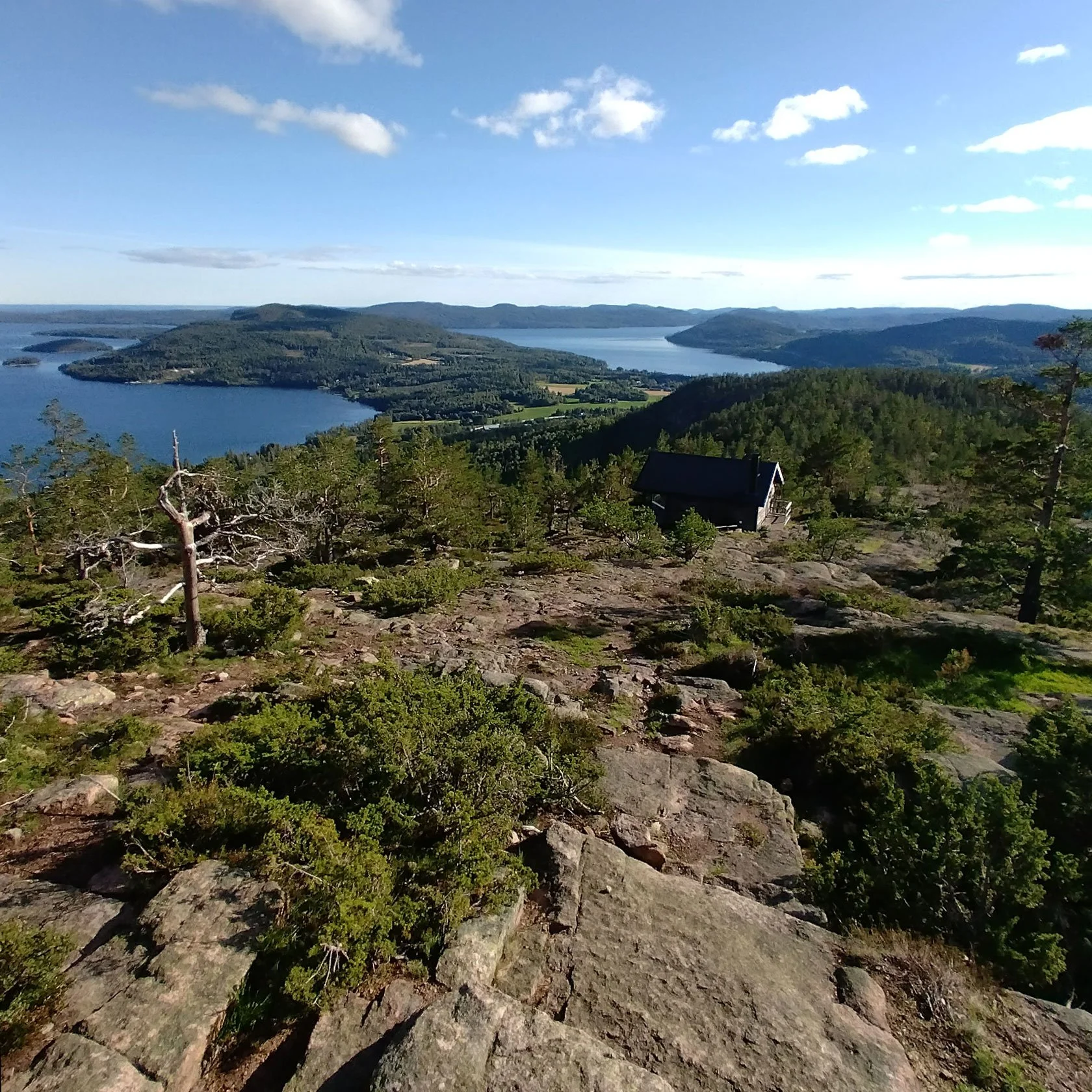
Day 2: one real hike

  • Skuleberget or Skuleskogen (not both)

  • Bring a layer; wind changes everything

  • Leave space for a second coffee

Day 3: micro-adventure

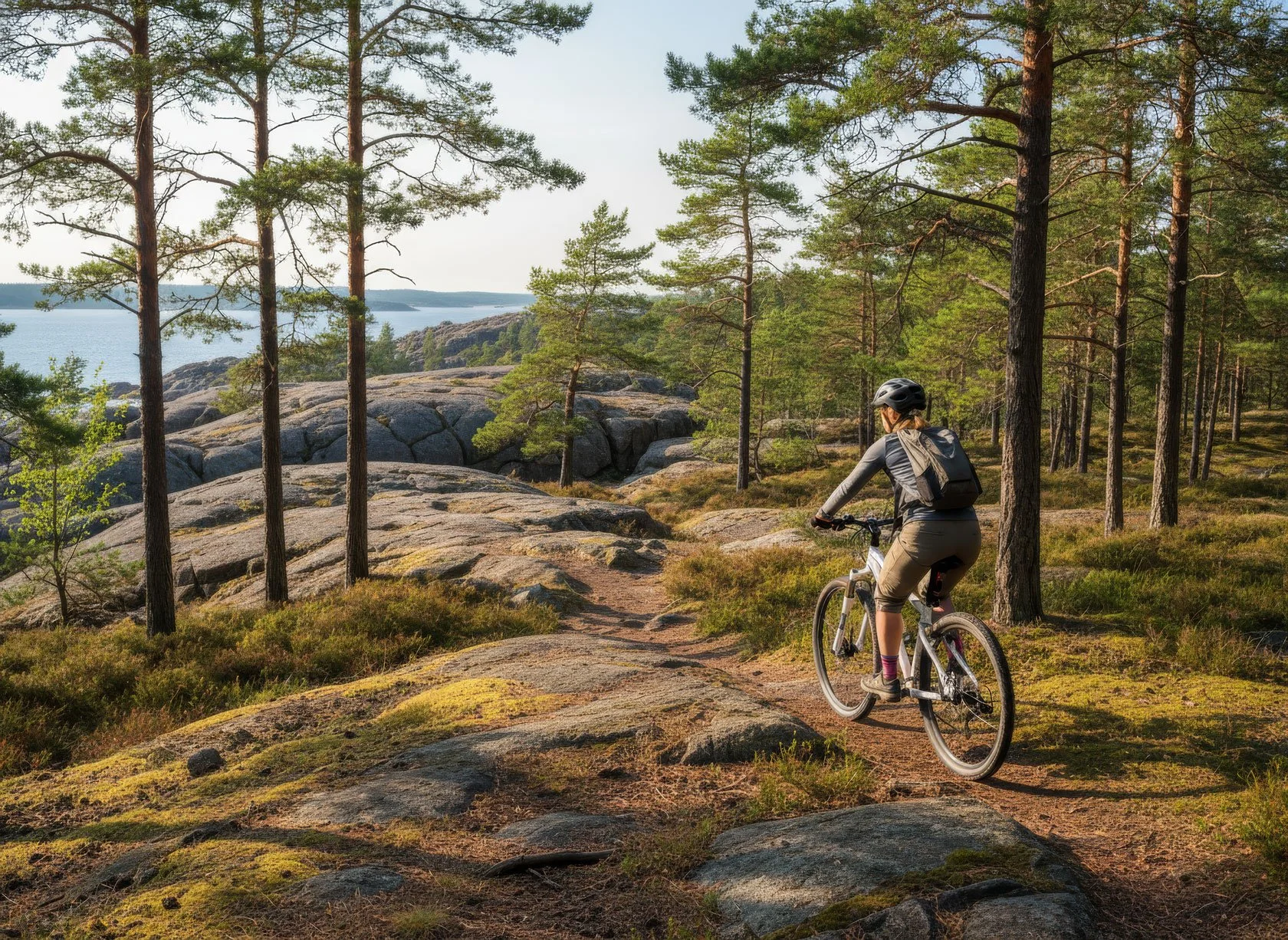
  • Ferry day (Ulvön) or a bike day or a “do nothing” day

What to bring for a breathable summer:

  • A light wind layer

  • A towel you don’t mind using often

  • A small daypack

  • Shoes that can handle rock


Remember the third rule: leave a blank space

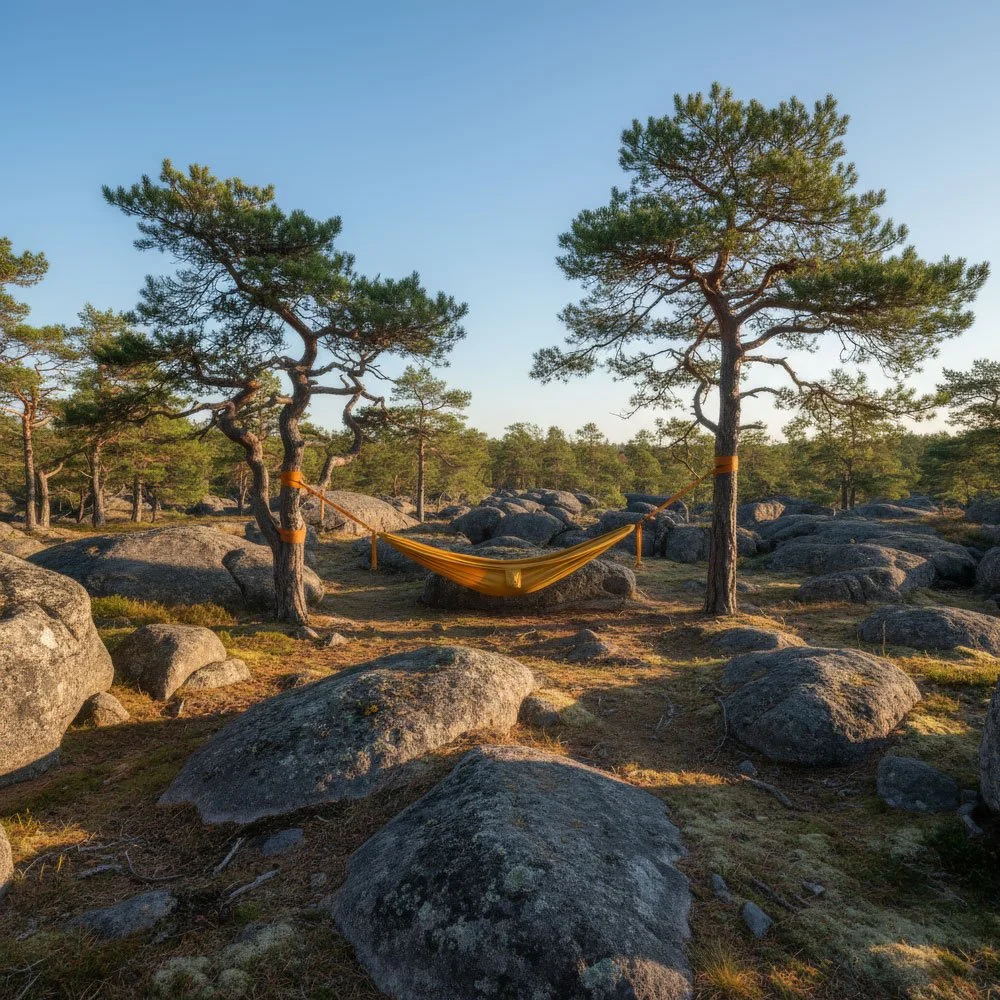
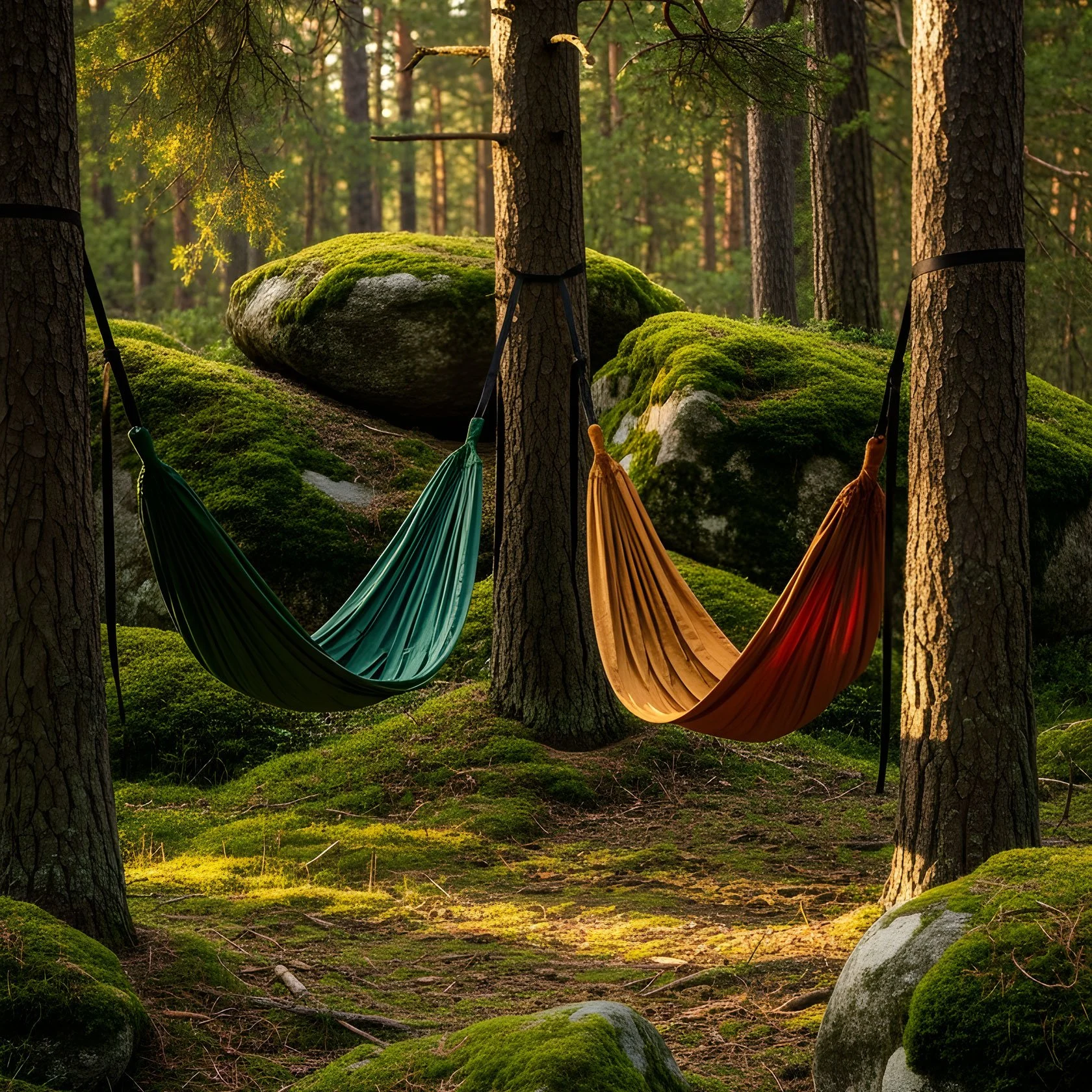
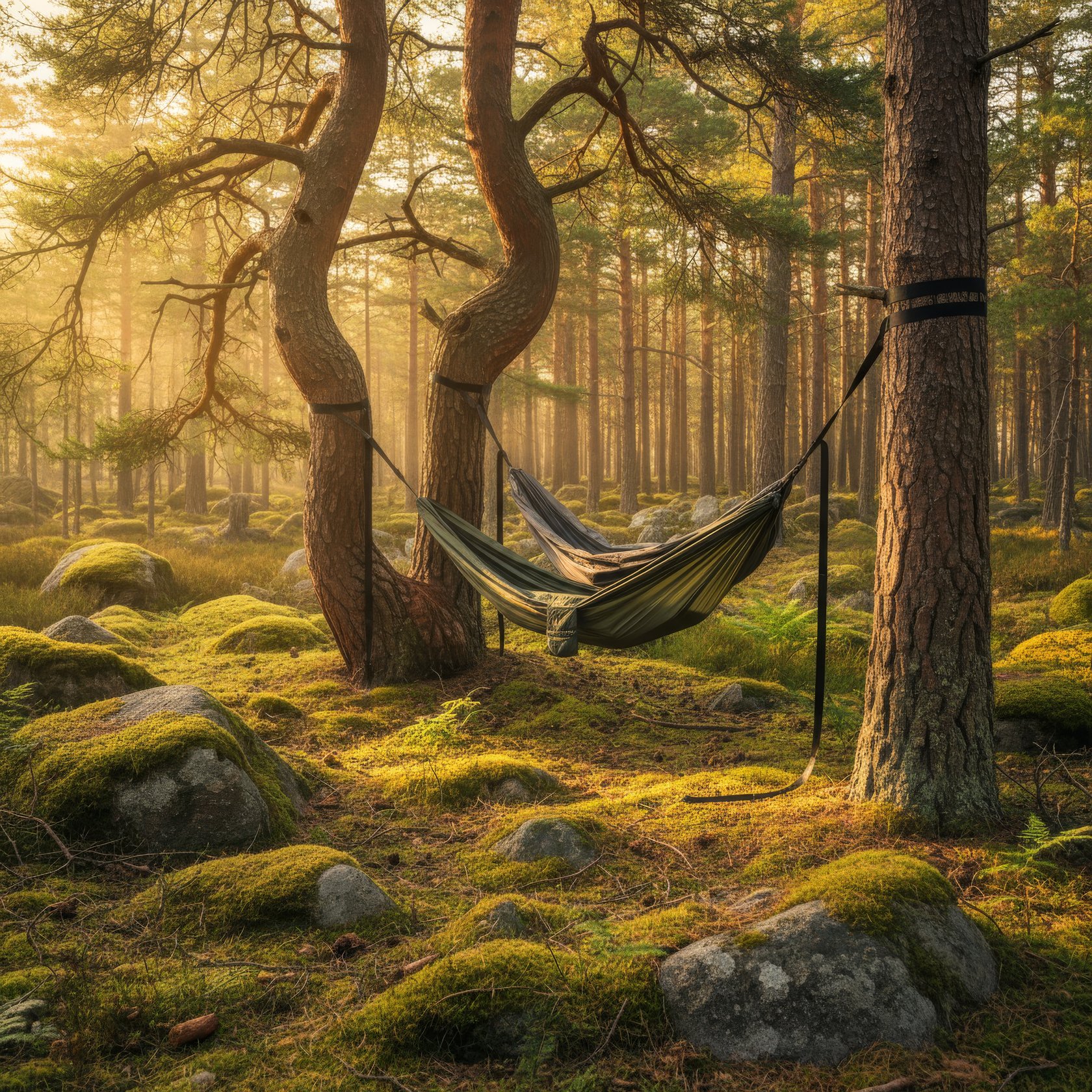
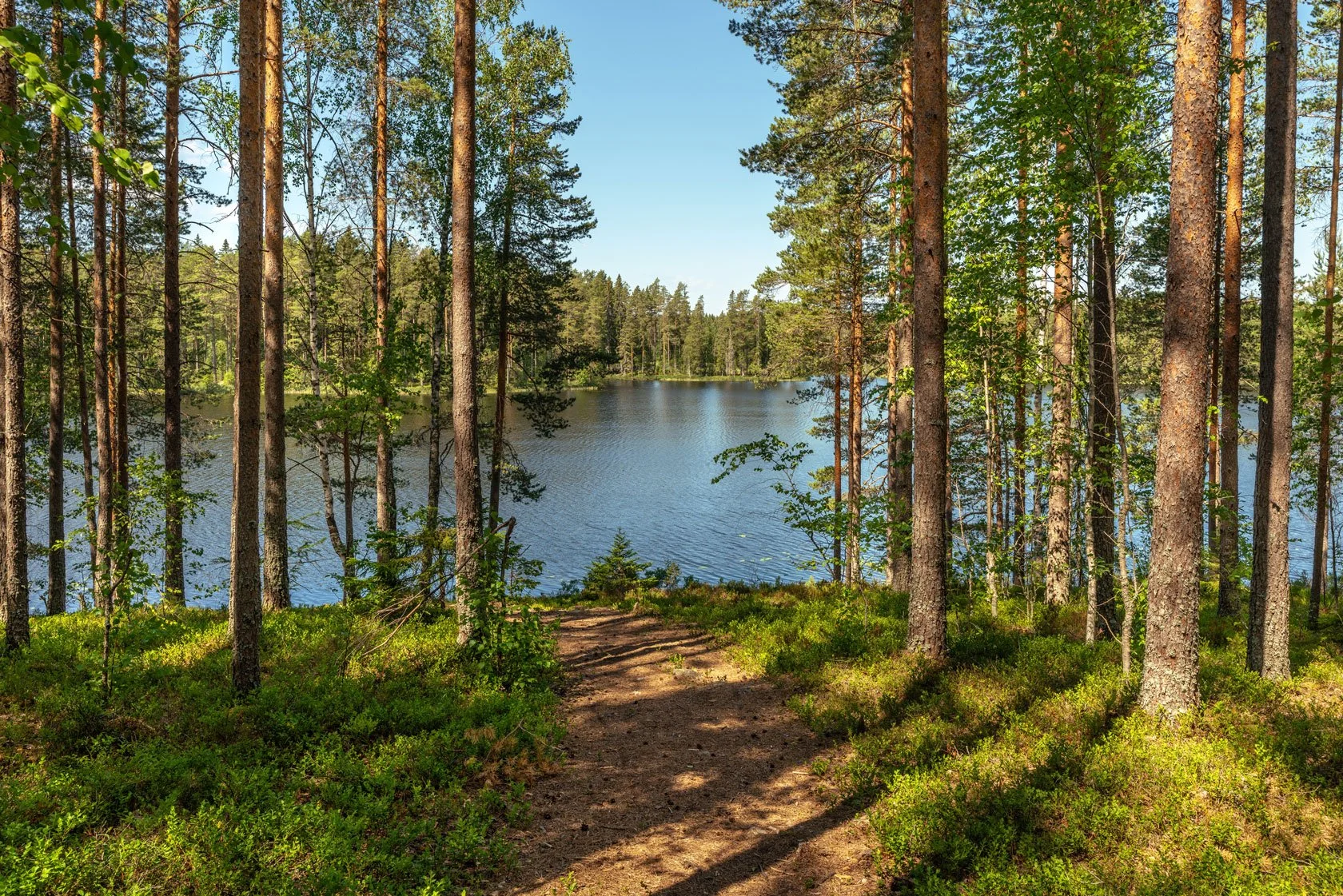
In the High Coast, that blank space can be very simple: a short forest pause. Walk a few minutes under pines, find a flat rock or a quiet spot, lie down for 20–40 minutes, and let your body cool down and reset — no agenda, no performance.

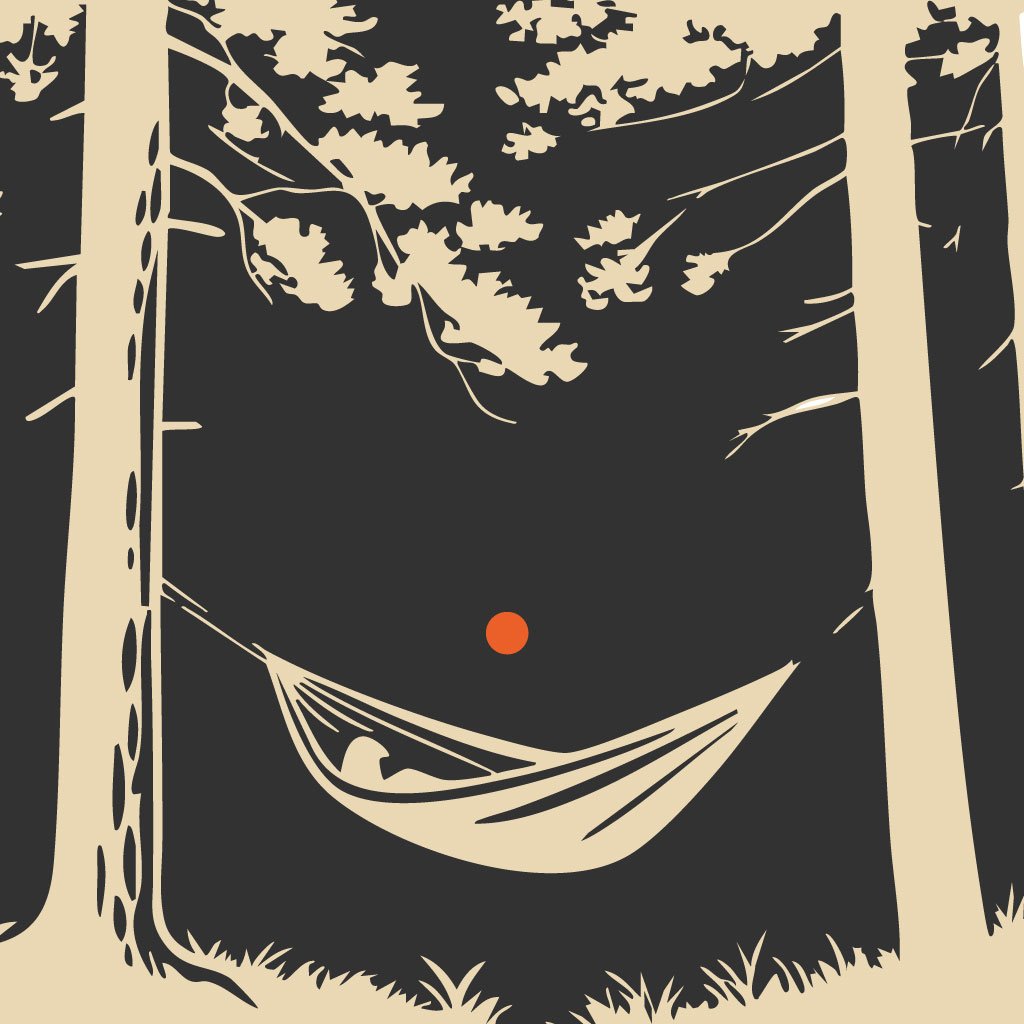
If you want a gentle, real example of what that can look like (hammock + rocky pine forest + slow breathing), I wrote a note here:
https://dockstahavet.se/blog/skogspaus-hammock-forest-experience-hoga-kusten


The simplest coolcation upgrade: sleep by the water

If you want the High Coast to feel truly breathable, don’t just visit the sea — sleep next to it.

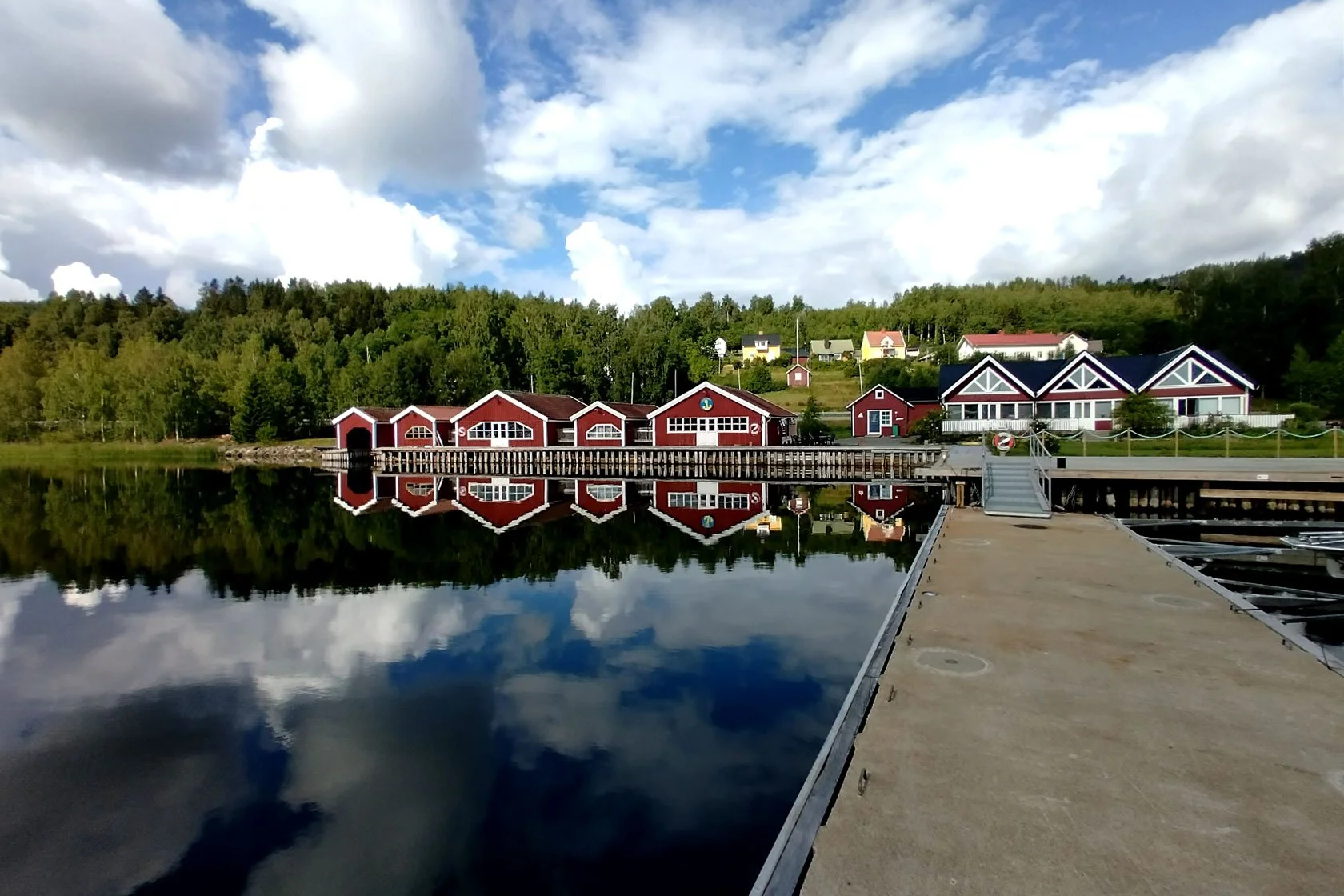
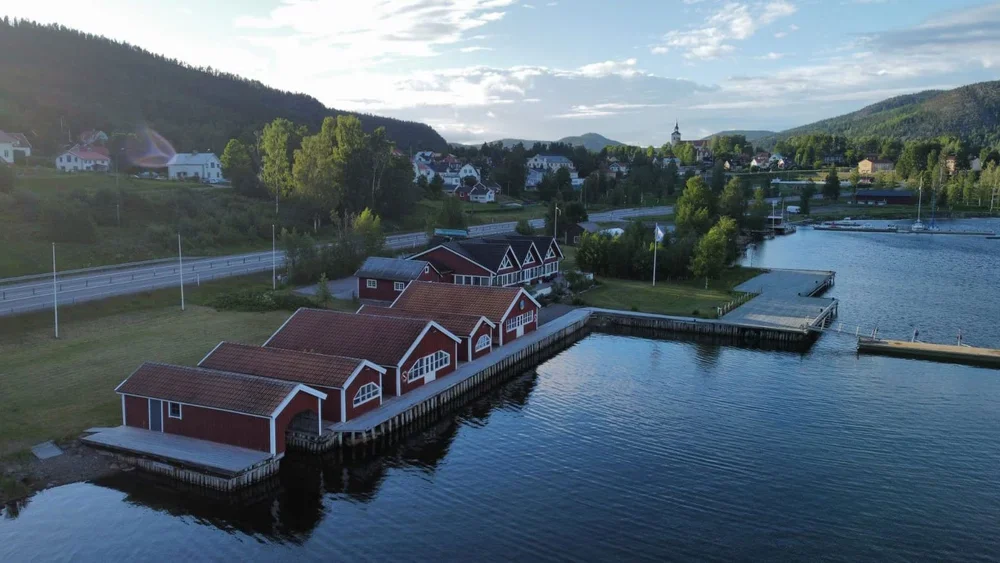
When you stay right on the waterfront, the day becomes simpler: a morning dip without planning, a late walk when the light refuses to leave, and that small sea breeze that makes even warm days feel lighter.

If you’re coming for a coolcation, this is the easiest base camp choice: wake up by the water, hike one trail, come back to calm.
Couples, solo travellers, and small families — three simple seaside stays.
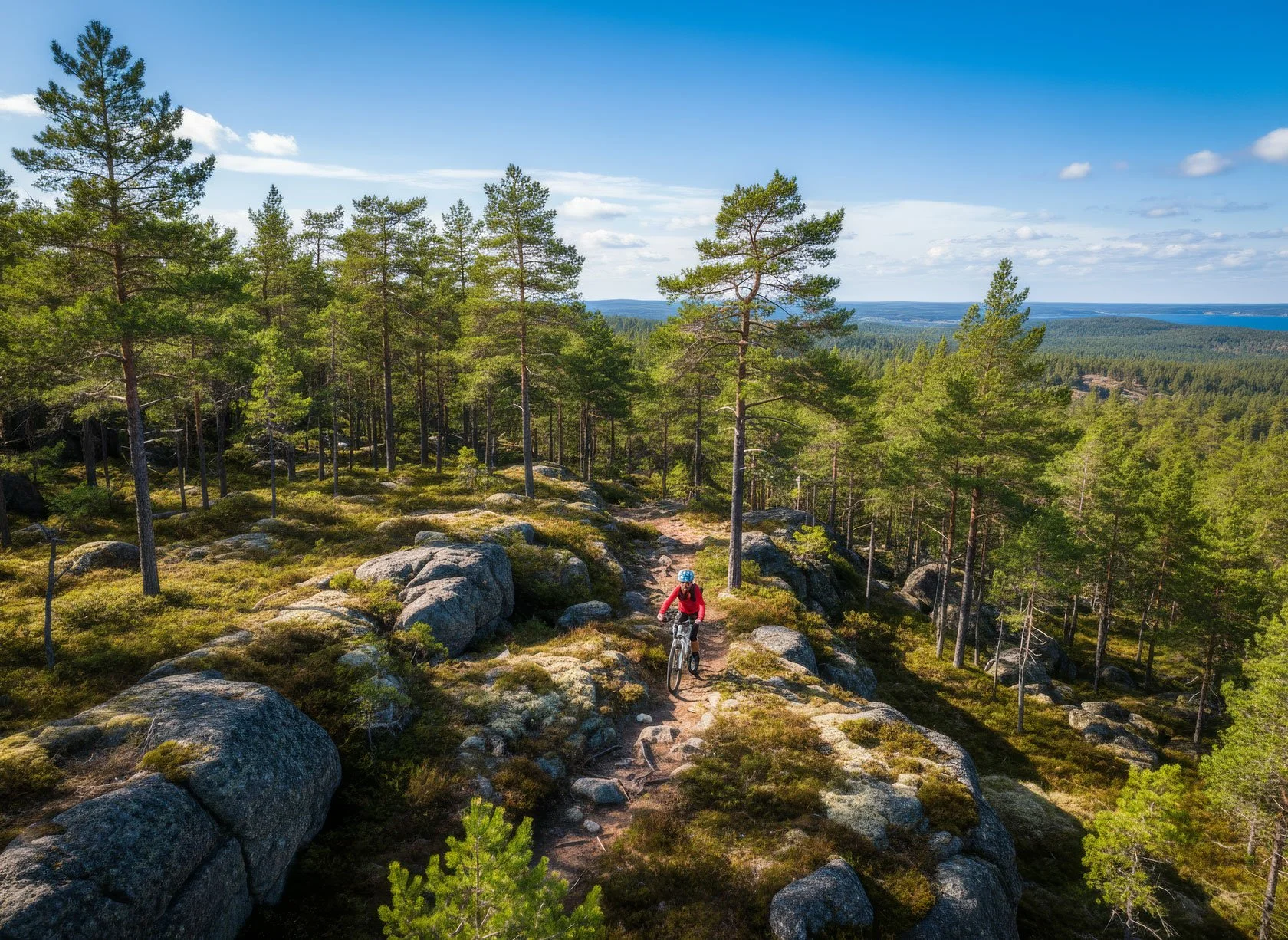
 

And if you want your days to start without logistics

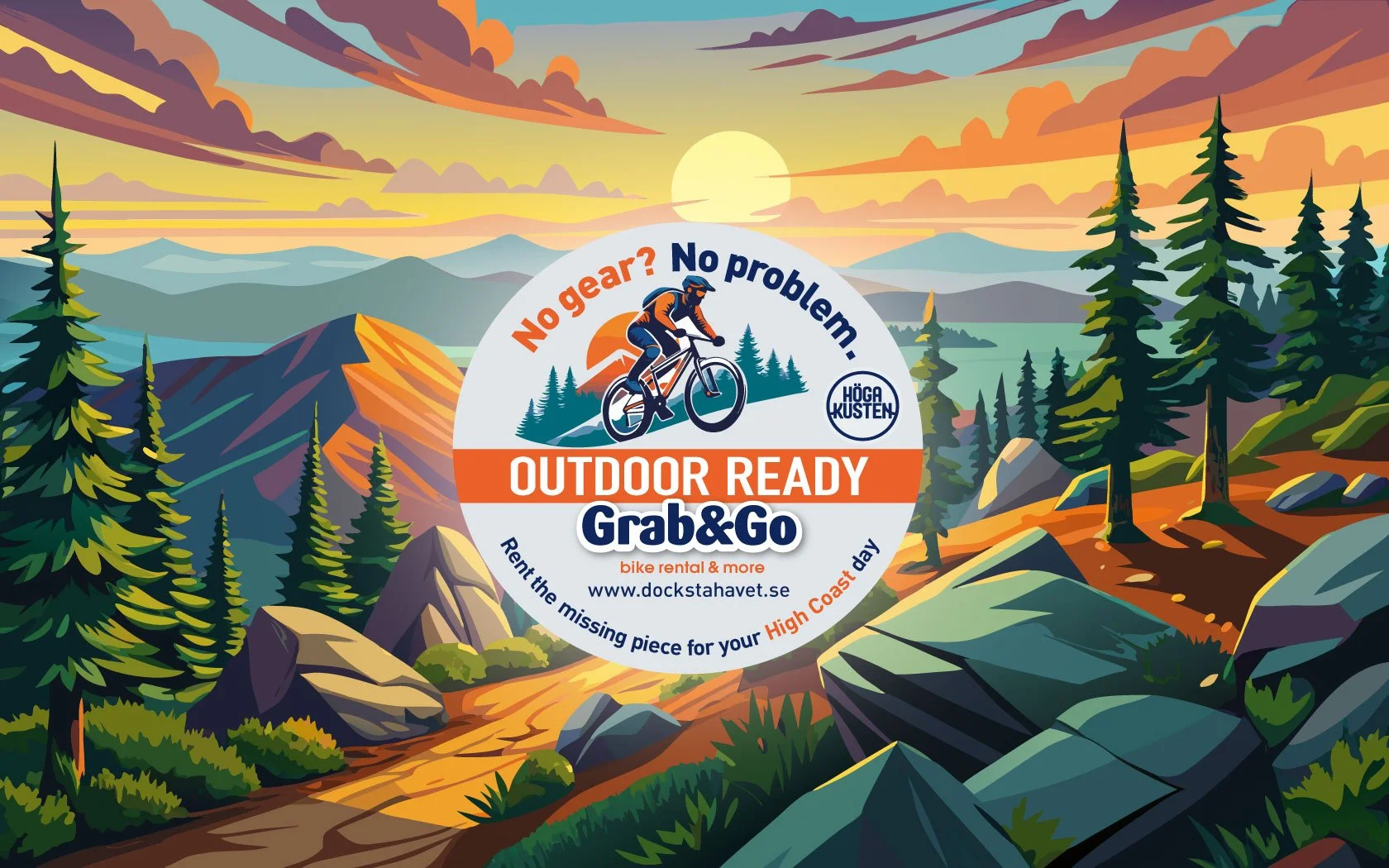
We’ve been building a small Outdoor Ready / Grab&Go corner — so everyone can rent a daypack (and a few simple essentials) and head out without turning the morning into logistics.

If you’re curious, here’s the practical page: https://dockstahavet.se/outdoor-gear-rental-hoga-kusten

Light soul. Tiny rucksack. A summer that lets you breathe.


Below you’ll find our Explore posts:

maps, guides, and “start here” planning pieces.
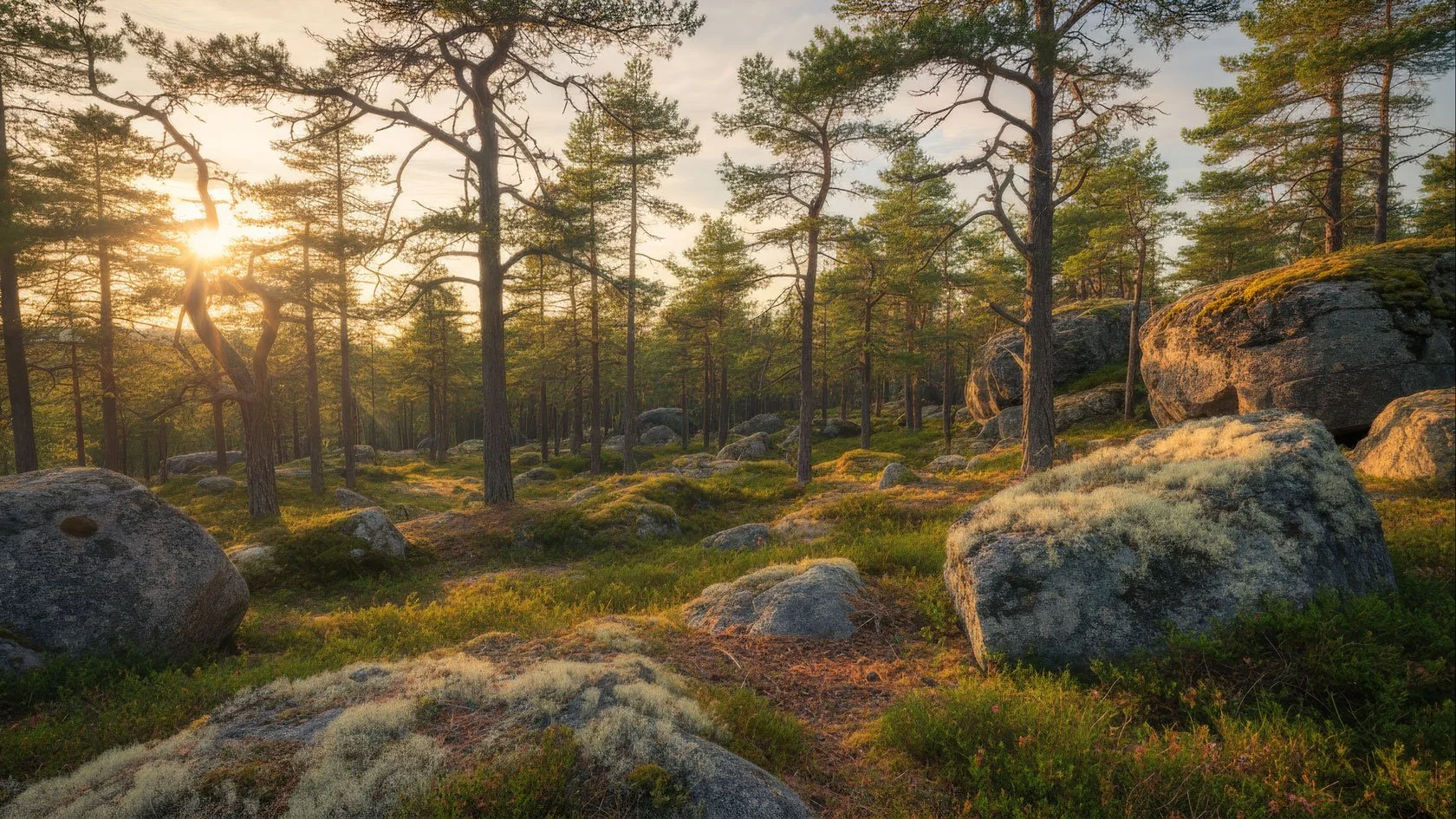
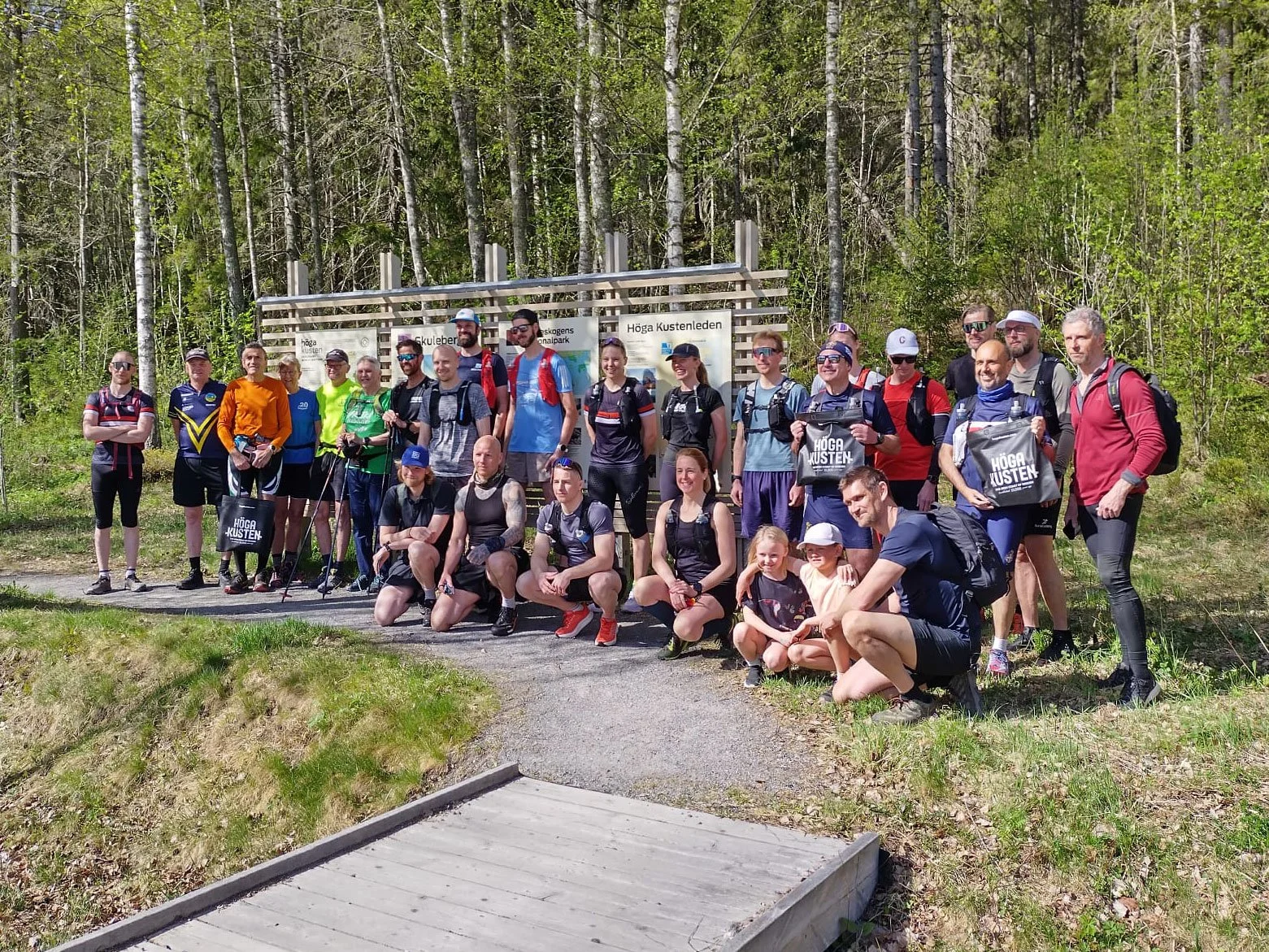
Höga Kustenleden, without hero mode

A quiet, practical way to enter the High Coast trail—one section at a time, with a base-camp rhythm

A host’s trail note on Höga Kustenleden: what it really feels like, how to hike it without “hero mode,” and three easy doors into the trail from Docksta.

Some trails are about distance. This one is more about attention.

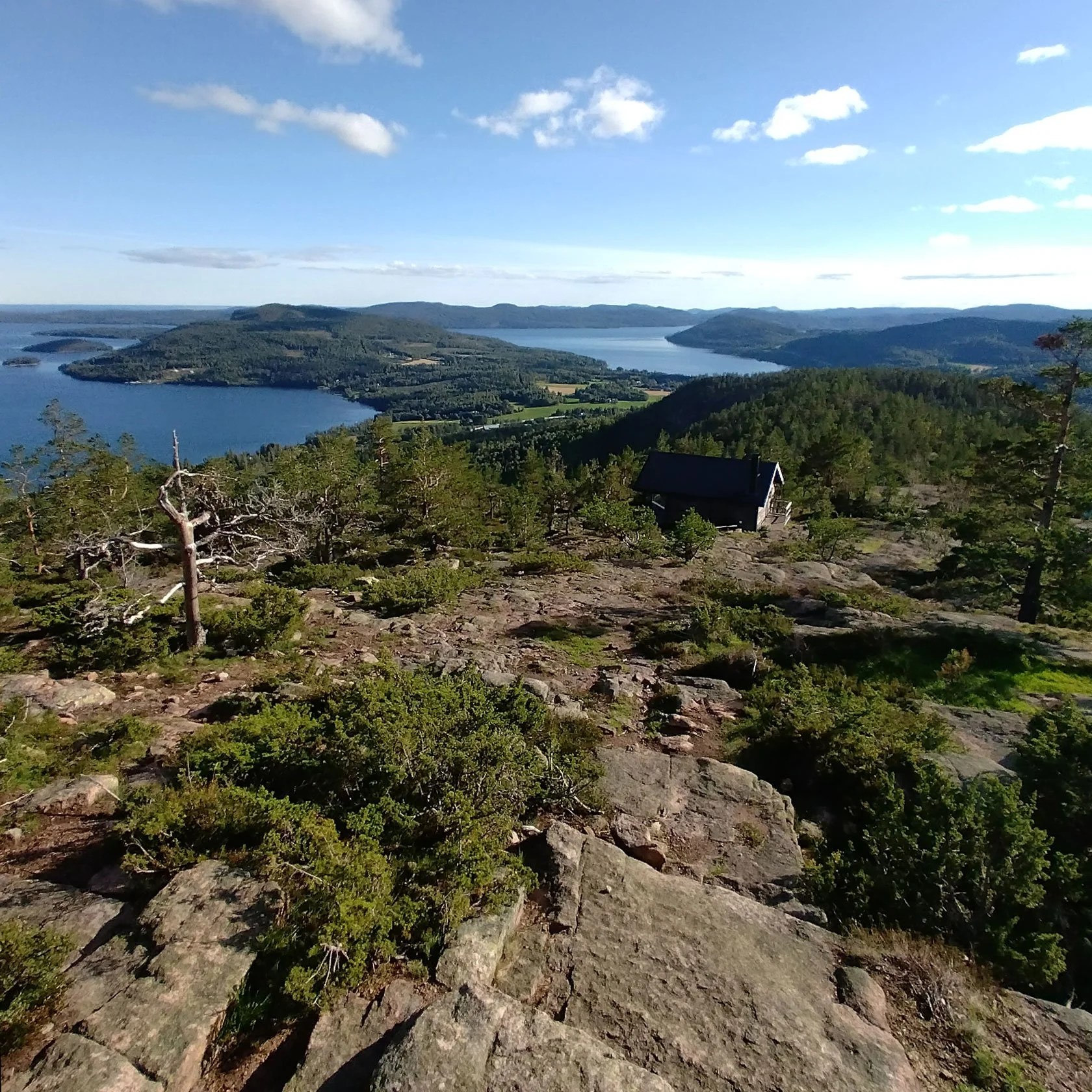
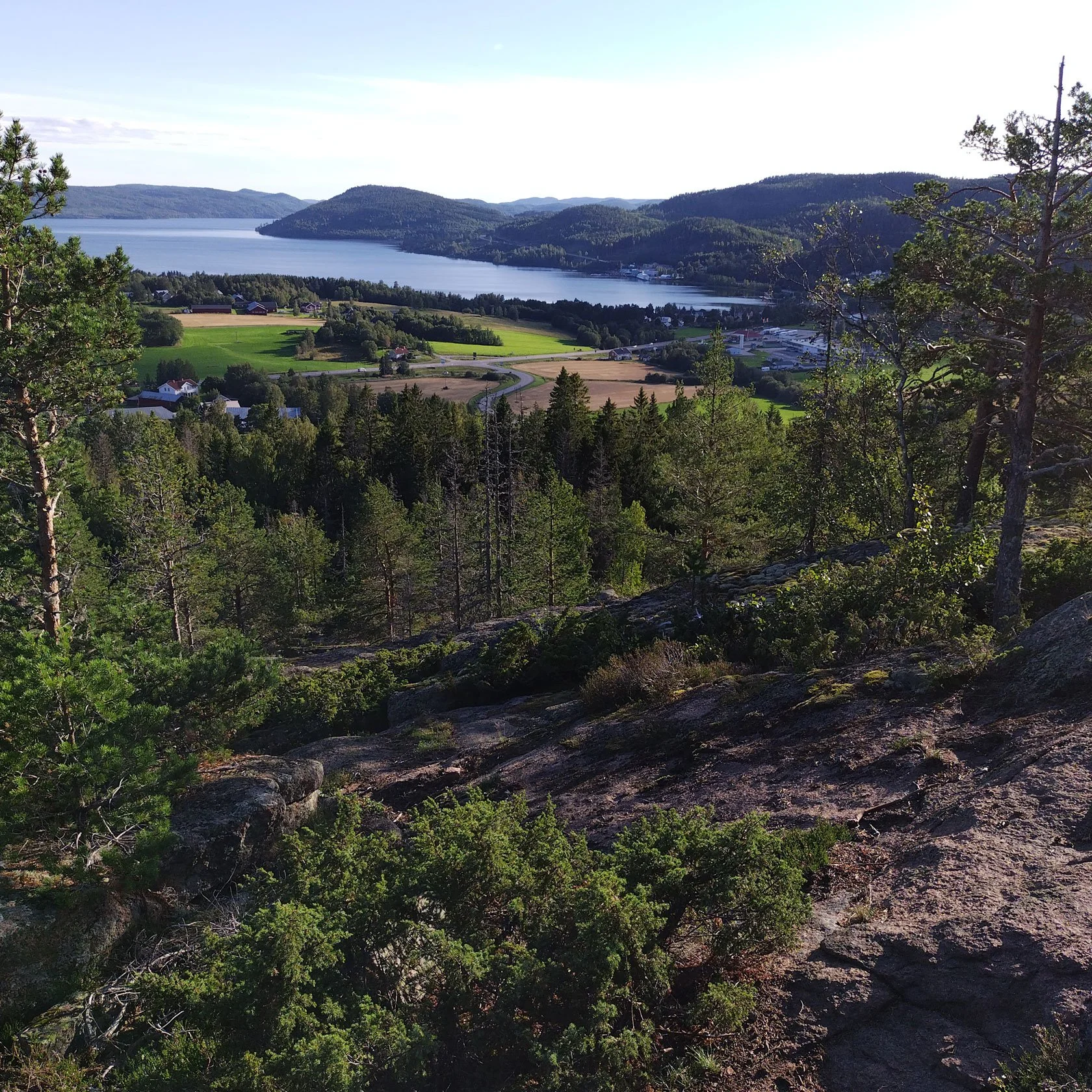
Höga Kustenleden runs through an UNESCO heritage landscape that keeps switching rooms: rocky pine forest, open cliffs, quiet coves, long views over the archipelago and its fjords and islands. You’re never far from water — and you’re never fully protected from wind. That’s part of the lesson.

I’m not writing this as a guru, or as a “proper” thru-hiker. I’m writing it as a host who watches hikers arrive, rest, dry their gear, and head back out again — and who has learned a few quiet things from this coastline.

Quick context (for first‑timers):

Höga Kustenleden is the long‑distance hiking trail through Sweden’s High Coast UNESCO World Heritage landscape. It runs south → north (from the Hornöberget area to Örnsköldsvik) and is usually hiked in sections. Because distances and stage numbering vary across sources, the safest reference is the official map.

Höga Kustenleden Map: https://www.naturkartan.se/sv/hogakustenleden

Tourism overview: https://www.hogakusten.com/en

Expect “more time than kilometers”: steep granite, roots, and short technical climbs

If you’re planning from Docksta (without hero mode), this Base Camp map helps you choose day trips by time, energy, and weather:

https://dockstahavet.se/blog/hoga-kusten-map-day-trips-from-docksta


What Höga Kustenleden really feels like (in plain words)

The High Coast of Sweden is not gentle, but it’s not harsh either. It’s honest.

Rock makes you slow down.
Wind edits your plan.
The sea and lakes keep showing up in the background, like a reminder to breathe.

Some sections feel like a balcony over the water. Others feel like a corridor of trees and red granite stone. And then, suddenly, the view opens — and you realise you’ve been holding your breath for no reason.


A trail you can enter in small pieces (you don’t need to “do it all”)

Yes, Höga Kustenleden is a long trail — the kind many hikers walk with a backpack.

But you don’t have to “complete” it to belong to it.

You can enter it in small pieces:

  • one section

  • one viewpoint

  • one honest day

  • one night of real sleep

  • and then another day, if you want

This is the opposite of hero mode. It’s the base-camp way of hiking: go out, come back, rest, go out again.


The “forest guest” mindset (a different kind of strength)

Out here, the strongest move is often the simplest one: a lighter grip on the schedule.

A forest guest doesn’t try to conquer the day.
A forest guest pays attention.

You notice where the rock is warm.
You feel when the wind shifts.
You stop before you’re exhausted.
You leave space — not as “wasted time”, but as recovery.

That’s not philosophy. That’s how you keep hiking tomorrow.


A day on the trail that counts (even if it looks small)

Here’s a day that counts — even if it looks small.

In the High Coast, hiking often starts with ordinary gestures: stepping outside before you’re fully “ready”, carrying a light layer because wind changes the story, bringing coffee in a thermos, and letting the landscape set the pace.

  • Morning (no heroics): a short hike while the air is still cool and the forest feels quiet.

  • Midday: lunch outside — simple food tastes better when you sit on a warm rock and watch the light move.

  • Afternoon: a swim if the weather is kind, or just a long pause by the fjord with your feet in the water.

  • Evening: a slow walk when the light goes soft and refuses to leave.

And somewhere in the middle, if you want a deeper reset without making it a “thing”: step under the pines for 20 minutes, breathe, and let your nervous system catch up with your body.

Seasonal note: in June/July the light can feel endless (beautiful, but it can also trick your sleep). From mid‑August, nights become more like nights again — deeper rest, more colourful sunsets, and in the High Coast the first auroras can start showing up on the right evenings.


Where a base camp becomes a partner (not a “service”)

Long trails are not only about moving. They’re also about landing.

A good base camp is not there to make the hike “easy”.
It’s there to make it sustainable.

A place where you can:

  • sleep deeply

  • dry your gear

  • take a real shower

  • eat something simple

  • and start again without friction

That’s what many hikers are actually looking for: not luxury, not hardship — just a calm, flexible landing spot between days.


Practical planning notes (three doors into Höga Kustenleden from Docksta)

If you want a practical way in — without turning the trail into a checklist — here are three nearby segments/spots I often point guests to. Think of them as three doors into Höga Kustenleden: each one gives you a real taste of the landscape, without requiring “hero mode”.

1) Per Olsbo wind shelter (the quiet trail culture stop)

This is one of those simple places that feels like a reward: a roof over your head, a guest book, the feeling of being inside the trail culture. It’s approachable, calm, and perfect for a half‑day with a proper pause.


2) Predikstolen (Getsvedjeberget) — short, steep, worth the attention

Predikstolen is one of the most photographed viewpoints in the High Coast — and yes, the panorama really is special. Just one honest note: the final segment is short but steep and a bit technical, both up and down. It’s doable for many people, but it rewards a steady pace, good grip, and a calm head (especially if it’s wet or windy).

Predikstolen Viewpoint (Getsvedjeberget) — what to expect
https://dockstahavet.se/outdoor-gear-rental-hoga-kusten/guides-stories/predikstolen-viewpoint-getsvedjeberget-what-to-expect


3) Skuleberget summit — the iconic climb, close enough to feel “local”

Skuleberget is the classic High Coast mountain day — and the best part is that it’s close. From Docksta, you can reach the foot of the mountain in under 2 km, and then choose a route that fits your legs and the weather. The summit gives you that “balcony over the fjords” feeling — and the descent on Höga Kusten Stigen is pure light and sea‑view rhythm.

Hike at the Skuleberget Mount along the Höga Kusten Stigen
https://dockstahavet.se/blog/explore-the-hoga-kusten/hike-at-the-skuleberget


Optional: the island extension (Ulvönleden)

If you want a different kind of trail day — one with ferry rhythm, sea air, and an island mood — Ulvönleden is a beautiful extension to keep in mind.

Ulvöleden Trail Guide
https://dockstahavet.se/blog/ulvoleden-trail-guide


Optional: a simple packing list (day hikes, High Coast reality)

If you want a practical checklist (layers, water, rock‑friendly shoes), I keep it here:

Basic tips to get ready for your day hike (or run) on High Coast paths:
https://dockstahavet.se/blog/explore-hoga-kusten/get-ready-your-day-hike


A quiet ending

You don’t need to be a “real hiker” to walk Höga Kustenleden.

You just need one day where you move with respect — for the landscape, for your body, and for the fact that wind and rock will always have the final word.

From here you’ve got two easy doors:

  • DIY door: pick one of the three segments above, pack light, go slow, come back and rest.

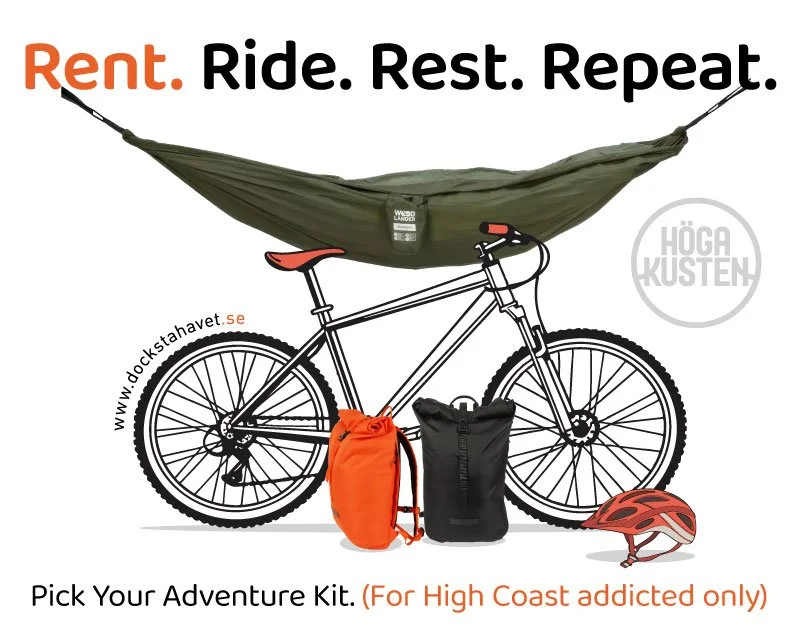
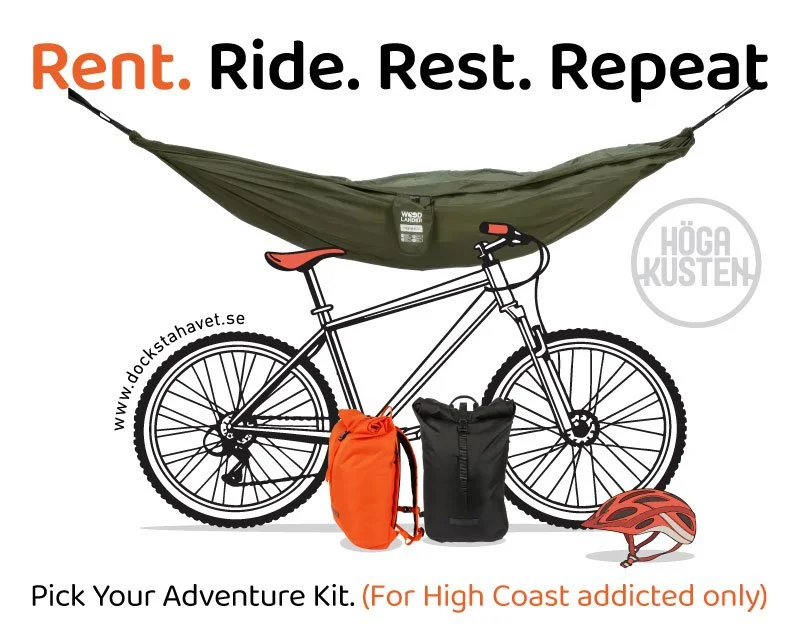
  • Grab&Go door: if you arrive without gear (or without the will to plan), start bike-first and let me set you up with a daypack + the essentials — hammock kit optional, depending on your mood.

Either way: no hero mode required. Just attention.

Light soul. Tiny rucksack. One section at a time.


Tommaso De Rosa

I host hikers and sailors at Docksta Havet, right where the High Coast trail culture passes through: people arrive, dry their gear, sleep deeply, and head out again. Over the years—also as a trail runner—I’ve learned the High Coast the slow way: one section at a time, in all kinds of wind, rock, and light. That’s why I write these notes the way I do: practical, calm, and meant for real days (not hero stories).

If you’re staying in our waterfront marina lodgings (Airbnb) and you want a simple recommendation—which section fits your time, your legs, and the kind of day you’re after—message me via Airbnb chat (from my host profile). I’ll point you to one good “door” into the trail, and a base-camp rhythm that makes it sustainable.

_Tommaso

If you prefer, you can also reach me on WhatsApp: +46 76 313 6909.

P.S. If you’re not sure where to start, scroll back to the three doors into Höga Kustenleden from Docksta—choose one, and let that be enough for today.


Below you’ll find our Hiking posts:

destinations, trail guides, and local advice

Before You Arrive in the High Coast: A Forest Guest Note

The High Coast, Slowly: A Quiet Pause Under Rocky Pines — If You’re Still Dreaming of Your Summer, Keep Reading.

Between Land and Sea: A Hammock Immersion in the High Coast

Maybe you haven’t been here yet.

Maybe you’re still looking at maps, photos, and ferry timetables, trying to imagine what the High Coast feels like.

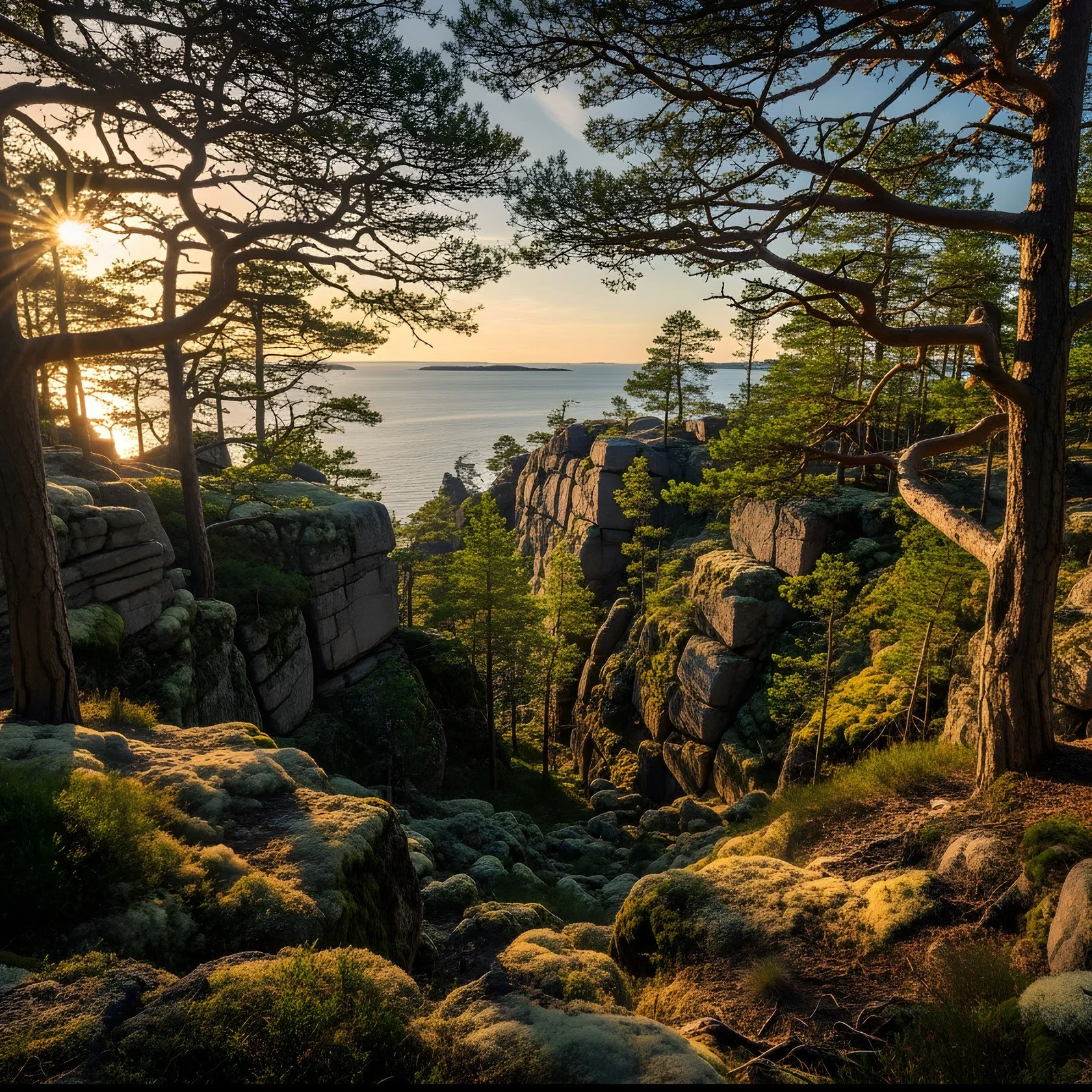
This is a place where pines grow on rock above the fjord, where salt and resin share the same air, and where Nordic light — especially around the Summer Solstice — quietly changes your rhythm. A UNESCO landscape, yes — but more than that: a living threshold between sea and mountain.

And if you ever stay with us, I’ll be your host when you arrive. We haven’t met yet, and that’s fine. Some places — and some hosts — should meet you slowly.

I’m the kind of host who draws on maps, talks weather, and keeps a hammock in the car — just in case the day asks for a pause.

Before the check-in, before the dock lines, before the first hike plan, I like to offer one gentle idea — not a program, not a product, not a promise. Just a way of arriving.


The Forest Guest

In the High Coast, it’s easy to become a collector.

Collect the icons. Collect the viewpoints. Collect the perfect weather window.

But there is another role available here — quieter, older, and surprisingly powerful:

To be a guest.

Not an occupier. Not a consumer of nature.

A guest.

A guest arrives with attention. A guest listens before speaking. A guest leaves the place lighter than they found it.

If that sounds a bit too serious, keep it simple: it just means we try to be gentle with the place.


A hammock forest immersion, in a rocky pine forest

There are forests that feel like a room.

And there are forests that feel like a threshold.

Here, above the fjord, the ground is not soft in the usual way — it’s ancient, sculpted, patient. Silence is still possible. And when the wind calms, you can hear how much space there is.

A hammock forest immersion is simple: you walk a little, you hang your hammock, and you let the forest hold you for a while.

We walk in without hurry. I pick two trees that feel kind to the hammock. A strap, a small check, a quiet nod. Then you lie back and the forest does what it does: light moving, a few sounds you didn’t notice before, your breath finally not in a rush.

Not a retreat. Not a performance hike. Not a wellness show.

Just presence.


Why spring to late summer feels like a quiet invitation

There’s a long window — from late May and June, all the way into late August — when the High Coast changes its voice.

In spring, the light returns and everything feels possible again.

In high summer, the canopy is lush, the sea is warmer, and the days stretch out.

And then, toward late August, something soft happens: the trails breathe, the sea becomes quieter, and nights start to darken again.

For me, this whole season is perfect for a hammock forest immersion — a gentle pause inside your adventure, not after it.


If curiosity finds you

If this note touches something in you, keep it simple.

When you arrive, tell me one thing:

  • Are you here to hike, to sail, to run, or to rest?

And I’ll point you toward a quiet forest mood that fits your days — a place where the rocky pines and the High Coast light do their quiet work.

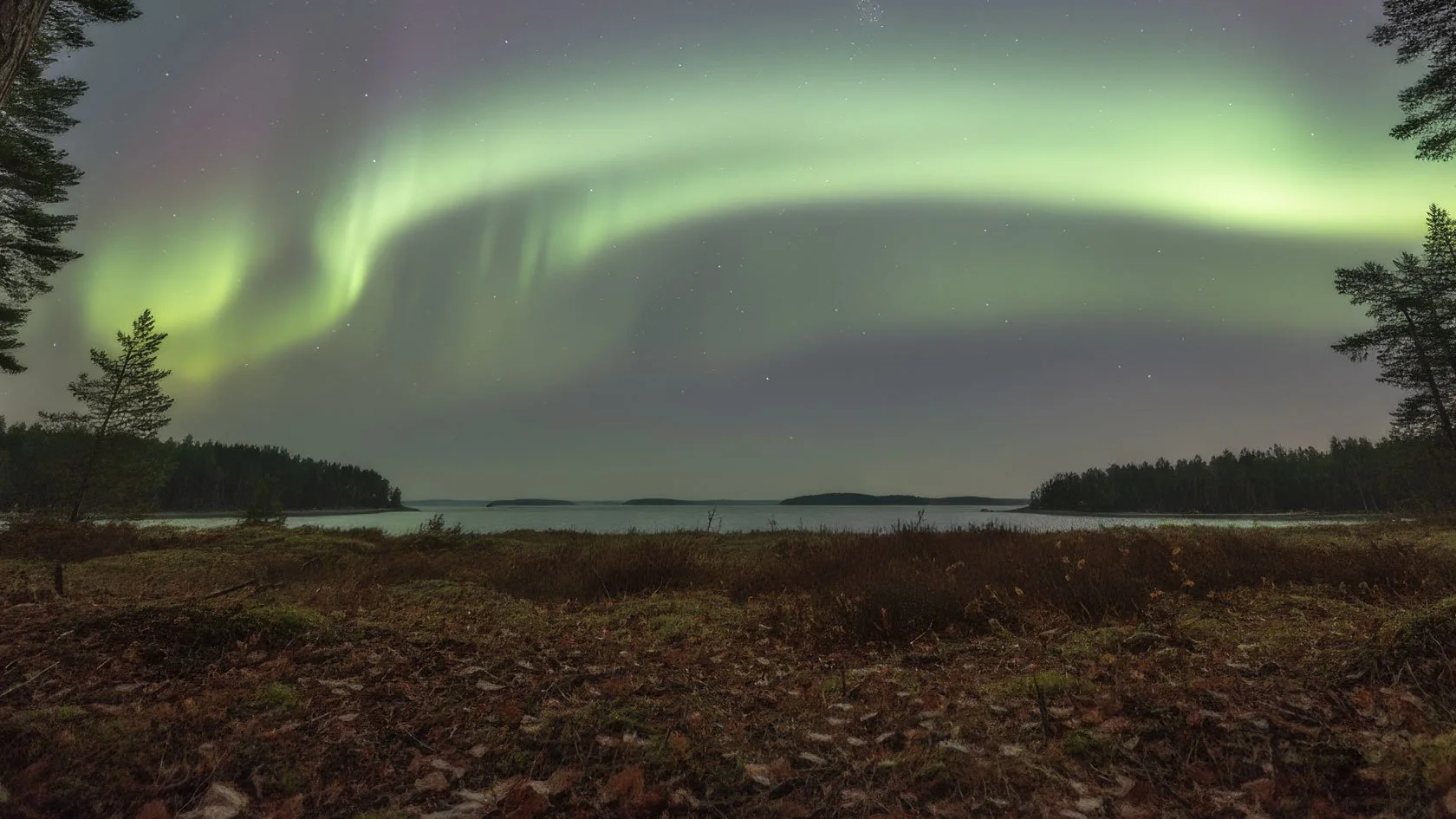
Sometimes guests ask about the night sky too. When the nights return, the High Coast can surprise you with aurora — even this far south. On clear nights, the fjord becomes a mirror. If you want to time it, I check yr.no for cloud cover and its integrated aurora forecast.

Sometimes it’s nothing. Sometimes it’s a quiet glow. And sometimes it’s a memory you take home for years.


Three gentle invitations (in the forest)

If you ever stay with us, this is the kind of thing I share with a bit of shyness — not to turn the forest into a postcard, and not to promise a transformation, but to remind you where you are.

These rocky pine forests have their own quiet protagonists. Some are obvious: wind in the canopy, light moving across stone, the scent of resin after a warm day. Some are smaller: a sudden hush when a bird passes close, the soft creak of hammock straps, the moment your shoulders finally drop.

Sometimes the real shift doesn’t happen when we do more. It happens when we finally pause.

A hammock forest immersion is exactly that: a few quiet hours under the canopy, held by rocky pines and High Coast light — where your body remembers how to downshift, and your mind stops trying to “use” the landscape.

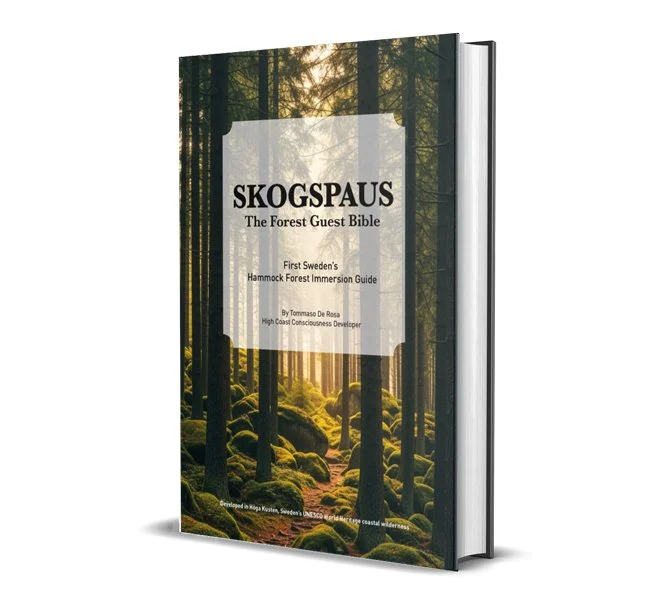
If you feel that little yes inside you, you don’t have to decide much. This pause can meet you in three forms: together in the forest (it has one name: Skogspaus), on the page (the e-book that grew from these same mornings between pines, silence, and hammocks), or in your own rhythm (with a simple hammock kit you can borrow, so the pause can happen on an ordinary day too).

Ciao for now,

Tom

SV 🇸🇪 - Kanske har du inte varit här ännu.
Höga Kusten är en plats mellan land och hav, där tallar växer på klippor ovanför fjorden.
En hängmattepaus i skogen är bara det: en stilla stund som låter landskapet göra sitt.

FI 🇫🇮 - Ehkä et ole ollut täällä vielä.
Korkearannikko on paikka maan ja meren välissä, missä männyt kasvavat kallion päällä vuonon yllä.
Riippumattohetki metsässä on pieni, lempeä tauko — ja joskus juuri se riittää.

DE 🇩🇪 - Vielleicht warst du noch nie hier.
Die Hohe Küste liegt zwischen Land und Meer, mit Kiefern auf Fels über dem Fjord und Licht, das den Takt verändert.
Eine Hängematten-Pause im Wald ist genau das: ein stiller Moment, der dich langsamer werden lässt.


More Skogspaus reads (Forest Pause):

(Slow forest practices, gentle stories, and practical notes)


Micro‑guides and local tips for Höga Kusten:

(Day trips, hikes, viewpoints and quiet forest pauses)

Friluftsliv, in plain words (High Coast edition)

Small steps, long light: friluftsliv for beginners in the High Coast

Start with a base camp, take small steps, travel light, and let the landscape set the pace.

The first time you hear the word friluftsliv, it sounds like a philosophy.

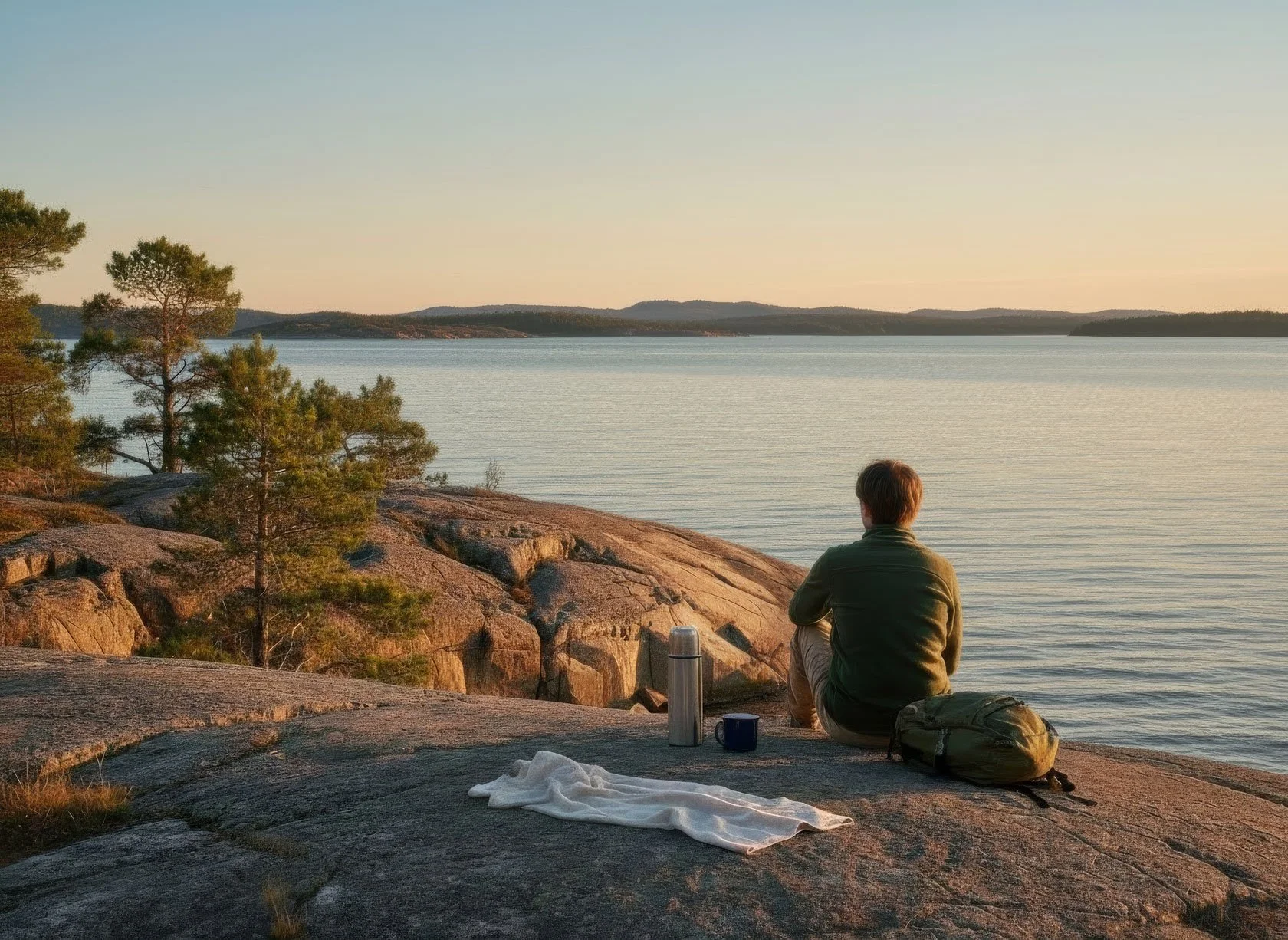
But here in Sweden it often looks much simpler: someone walking slowly in the evening light, a towel drying on a rock, a small coffee in a thermos, and no urgency to “achieve” the day.

Friluftsliv in Sweden also comes with a simple rule: don’t disturb, don’t destroy — and always leave no trace.

And if you’re a beginner, here’s the good news: it doesn’t have to be a gear hobby.

A beginner-friendly way to start: base camp + small steps

If you’re new to Sweden (or new to the outdoors), don’t start with a big plan. Start with a place.

Choose a base camp where:

  • water is close

  • trails start nearby

  • you can shower and sleep well

  • you don’t need to prove anything

That’s why I like the base camp idea. You go out. You come back. You rest. You go out again.

In the High Coast, that rhythm matters — because the landscape is generous, but it’s also rocky, windy, and bigger than it looks on a map.

In practical terms: bring a light wind layer and a pair of dry socks — the High Coast loves simplicity, but it respects preparation.


Camping without the hassle (what people actually mean)

Many of our guests are campers — or something close to it.

They travel light, with a backpack, a sleeping bag, a small cooking kit. Some arrive by bike or motorbike. Some sleep in the car when they need to. Some mix cabins, shelters, and simple rooms depending on weather, energy, and mood.

It’s a more fluid way of travelling — not “hotel” and not “camper life” either.

What people often want is not to stop camping. They just want a safe place to land once in a while: a shower, dry gear, real sleep, and a calm base where the day can start again without friction.

In the High Coast, you can keep that freedom and still sleep by the water — with your things dry, your body rested, and the forest close enough to step into.


A beginner friluftsliv day (High Coast)

Here’s a day that counts — even if it looks small.

In the High Coast, friluftsliv often starts with ordinary gestures: stepping outside before you’re fully “ready”, carrying a light layer because wind changes the story, bringing coffee in a thermos, and letting the landscape set the pace.

  • Morning (no heroics): a short walk while the air is still cool and the forest feels quiet.

  • Midday: lunch outside — simple food tastes better when you sit on a warm rock and watch the light move.

  • Afternoon: a swim if the weather is kind, or just a long pause by the fjord with your feet in the water.

  • Evening: a slow walk when the light goes soft and refuses to leave.

And somewhere in the middle, if you want a deeper reset without making it a “thing”: step under the pines for 20 minutes, breathe, and let your nervous system catch up with your body.

Seasonal note: in July the light can feel endless (beautiful, but it can also trick your sleep). From mid‑August, nights become more like nights again — deeper rest, more colourful sunsets, and in the High Coast the first auroras can start showing up on the right evenings.

If you do one day like this, you’ve already started.

If you like trail days, the High Coast has one thread that quietly connects everything: Höga Kustenleden.

Yes, it’s a long trail (the kind many hikers walk with a backpack) — but you don’t have to “do the whole thing” to feel what it’s about. You can enter it in small pieces: one section, one viewpoint, one honest day with wind, rock, forest and sea.


Don’t wait for perfect weather (friluftsliv is a habit, not a highlight)

Friluftsliv isn’t about planning the perfect day. It’s about stepping outside anyway — even when the weather is undecided.
A short walk counts. Coffee outside counts. Sitting on a rock and doing nothing counts.

Some days it rains. That counts too.

If you’re dressed for wind and a little drizzle, the High Coast gives you something almost every day: a clearer head, a calmer body, and a small sense of “home” in the open air.

If you want a simple, practical packing list for High Coast day hikes (layers, water, rock-friendly shoes), I keep it here: https://dockstahavet.se/blog/explore-hoga-kusten/get-ready-your-day-hike


A practical way to begin (Docksta base camp note)

Grab&Go is our simple outdoor gear rental in Docksta — for anyone who wants to try friluftsliv without buying gear.
You can rent the missing piece for your day outside: a bike, a daypack, or a hammock kit. See details & prices here: /outdoor-gear-rental-hoga-kusten

If you’re staying at Docksta Havet, ask at check-in and I’ll help you choose what fits your day. And if you want local tips, I’ll point you to a good, respectful spot.

If you like the base camp rhythm — out, back, rest, repeat — here’s how Docksta can work as a simple base camp in the High Coast (and make exploring feel easy):
https://dockstahavet.se/blog/base-camp-high-coast-docksta

Small steps. Long light. A base camp between forest and sea.


Mini summary (SV / FI / DE)

SV 🇸🇪 - Friluftsliv, med enkla ord (Höga Kusten)

Friluftsliv behöver inte vara en hobby med massor av prylar. Börja smått: välj en bas nära vatten och leder, gå ut en stund, kom tillbaka, vila – och gå ut igen. I Höga Kusten spelar den rytmen roll: landskapet är generöst, men också stenigt, blåsigt och större än det ser ut på kartan.

FI 🇫🇮 - Friluftsliv selkokielellä (Korkea Rannikko / Höga Kusten)

Friluftsliv ei vaadi suuria suunnitelmia tai kallista varusteharrastusta. Aloita pienin askelin: valitse tukikohta lähellä vettä ja polkuja, käy ulkona hetki, palaa takaisin, lepää – ja lähde taas. Korkealla Rannikolla rytmi on tärkeä, koska maasto on kaunis mutta myös kivinen, tuulinen ja karttaa suurempi.

DE 🇩🇪 - Friluftsliv in einfachen Worten (Höga Kusten)

Friluftsliv muss kein Ausrüstungs‑Hobby sein. Fang klein an: Such dir ein Basecamp in der Nähe von Wasser und Wegen, geh kurz raus, komm zurück, ruh dich aus – und geh wieder los. An der Höga Kusten ist dieser Rhythmus wichtig, denn die Landschaft ist großzügig, aber auch felsig, windig und größer, als sie auf der Karte wirkt.


Next steps from your base camp:

A small selection of hiker-friendly posts — for when you’re ready to turn one good day into two.


Keep exploring: Grab&Go summer guides & stories:

A few more local ideas to help you plan a simple High Coast day—bike-first, hike-ready, and with the right gear when you need it.

Solo Travel in Sweden: A Quiet High Coast Base Camp for First-Timers

High Coast for Solo Travellers: A Gentle 24–48h Plan

First time solo in Sweden’s High Coast (Höga Kusten)? Don’t overplan. Use Docksta as a calm base camp for Skuleberget, Skuleskogen, Ulvön and car-free bike + hike days—with a gentle 24–48h structure.

Before you arrive

If you’re planning a solo trip to Sweden, you’ve probably noticed two things.

First: the country looks vast on a map. Second: the internet gives you a lot of options—sometimes too many.

This is a small, quiet note from the High Coast (Höga Kusten), written for first-timers who want nature without stress.

I’m Tom. In summer I host at Docksta Havet—right by the water, at the edge of the High Coast trails. I’m not here to sell you a “perfect experience”. I just want you to arrive with a light soul and a tiny rucksack.

(If you’re already curious about logistics: Docksta is easier than it looks. I keep a practical guide here:  https://dockstahavet.se/blog/how-to-get-to-docksta — but you don’t need it yet.)


Is the High Coast good for solo travellers?

Yes—especially if you like places where the day can be simple.

The High Coast is a UNESCO World Heritage landscape, shaped by the world’s fastest land uplift after the Ice Age. That sounds like geology (and it is), but what you feel is more human: cliffs rising from the sea, rocky pine forests, a wide archipelago, and a kind of space that makes your nervous system exhale.

It’s not a city break. The High Coast—land and archipelago together—is a landscape break.

Here, solo travel doesn’t mean “being alone”. It means you can move at your own pace: a slow breakfast, a trail that starts when you’re ready, a swim when the light feels right.

And because Sweden has a strong outdoor culture, being on your own in nature is normal here—not strange.


The High Coast is big (and that’s good news)

A small warning (and a relief): the High Coast is bigger than most people expect.

That’s why I don’t recommend trying to “see it all” on a first visit — not for solo travellers, not for couples, not for families. Especially if you only have a short stay.

Instead, pick one small area and go deep. The High Coast rewards the slower choice.

Docksta is one of those places that works well as a base camp because, from here, you can reach:

  • Skuleberget (iconic viewpoint, chairlift, and flexible trails)

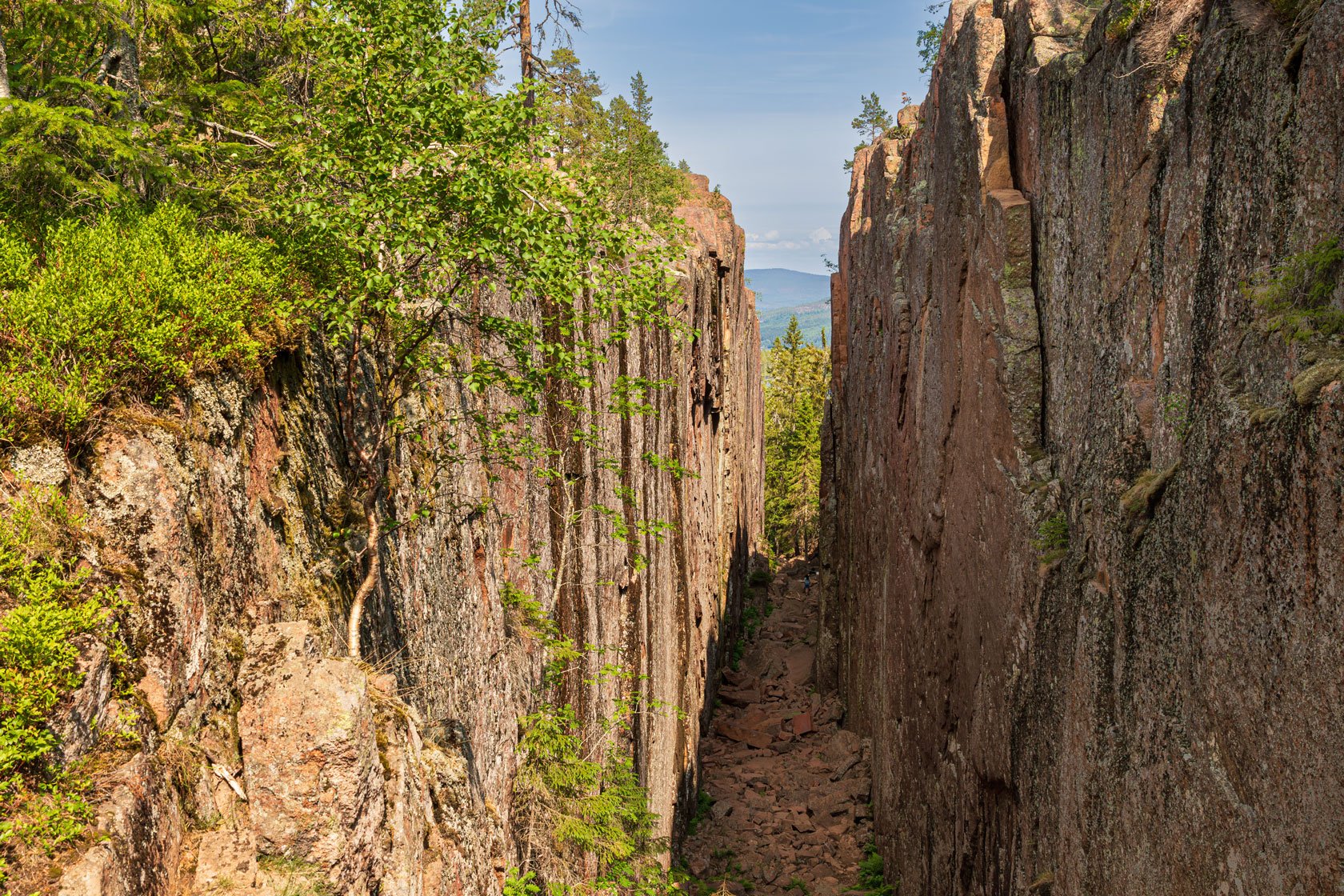
  • Skuleskogen National Park (sea → forest → lakes → crevice → summit with a stunning archipelago view)

  • Ulvön and the archipelago (ferry days when the weather is kind)

  • Sections of the Höga Kustenleden (for hikers moving through)

If you want a calm way to plan, start with this hub page:
https://dockstahavet.se/blog/start-here-high-coast-day-trips-docksta

And if you prefer one “ready-made day” to copy-paste into your trip, these two are solid:


Base camp mindset (so you don’t overplan)

Many solo travellers try to design a perfect route.
I’d suggest something softer: choose a base camp.

A base camp is not a luxury. It’s a way to reduce decisions and enhance opportunities.
From one stable place you can:

  • hike Skuleberget without changing beds

  • visit Skuleskogen without packing your whole life

  • take a ferry day trip (like Ulvön) when the weather is kind

  • rest & recharge when your body asks for it

And if you’re hiking the Höga Kustenleden, a base camp night can be a small reset: shower, laundry, real sleep — then back to the trail.

And sometimes the best base camp is the one you didn’t plan — it’s simply where you stop.


E4 stopover (tiny base camp mindset)

Even if you’re just passing through on the E4 (northbound or southbound), a one-night stopover can become more than “sleep and go.”
With a base camp mindset, you arrive, shower, reset, and wake up with a real choice: keep driving — or take a small High Coast micro-adventure before you move on.

If you want to scan the logic (and steal a ready-made idea), these three notes are a good place to start:


A gentle 24–48 hour solo plan (High Coast)

If you want a simple structure, here’s one that works.

Day 1 (arrive + land in the landscape)

  • Arrive, drop your bag, take a short walk by the water

  • Choose one “icon” only (not five): a viewpoint or a beach

  • End the day early. In Nordic light, tiredness can hide.

Day 2 (one real trail, no rush)

  • Pick one main hike: Skuleberget or Skuleskogen (not both)

  • Bring water, a warm layer, and something small to eat

  • Leave space for a swim, a nap, or a second coffee

If you stay longer, you can add a ferry day, a bike day, or a slow “nothing day”.


Without a car (a real solo-traveller question)

Many solo travellers don’t want to drive. Good. The High Coast can still work — if you choose your base camp carefully.
Docksta is one of the few places where you can build a simple day around bike + hike (and still come back to a shower, espresso, and real rest).

If you want a concrete example, here’s a full plan for Skuleskogen without a car (bike + trail logic) >


Local clarity (so you don’t carry the planning alone)

When you travel solo, the hardest part is often not the hiking — it’s the small decisions.

A good base camp gives you something simple: local clarity. You arrive, you ask one question, and the day becomes lighter. Not a long briefing — just a few tailored suggestions that match your pace, the weather, and the season.

And if you prefer to explore quietly on your own, you can also use our free mini-guides (in five languages) — a small premium resource, available with one click on the website.


Free mini-guides (5 languages): English → | Svenska → | Deutsch → | Suomi → | Italiano →


If you want one quiet upgrade

If you stay at Docksta Havet and you want solo travel to feel easy, there are two small things that help.

First: a simple, flexible place to sleep by the water — especially when plans are last-minute.
The Boathouse + Kitchenette is minimalist, affordable, and made for light travellers (even for a one-night E4 stopover when you just need a real reset).


Second: the ability to head out without buying gear.
If you want your day to start with curiosity — not logistics — you can use our Outdoor Ready / Grab&Go kits (bike, daypack, hammock, small essentials) and build a clean High Coast day from your base camp.

If that sounds like your kind of solo travel, start here:


“Light bag. Clear head. One base camp — and the High Coast opens up.”


Short extracts (SV / FI / DE)

SV 🇸🇪Kanske har du inte varit här ännu.
Höga Kusten är en plats mellan land och hav, där tallar växer på klippor ovanför fjorden.
Om du reser ensam: välj ett basläger, gör dagen enkel, och låt ljuset och vinden visa vägen.

FI 🇫🇮Ehkä et ole ollut täällä vielä.
Korkearannikko on paikka maan ja meren välissä, missä männyt kasvavat kallion päällä vuonon yllä.
Jos matkustat yksin: valitse yksi tukikohta, pidä päivä kevyenä ja anna valon ja tuulen tehdä loput.

DE 🇩🇪Vielleicht warst du noch nie hier.
Die Hohe Küste liegt zwischen Land und Meer, mit Kiefern auf Fels über dem Fjord und Licht, das den Takt verändert.
Wenn du allein reist: wähle ein Basecamp, halte den Tag einfach — und lass Wind und Licht den Rhythmus bestimmen.


All Guides & Stories (browse the full shelf):


Autumn's First Whisper: When the High Coast Reveals Its Golden Soul

Early September in Höga Kusten: The High Coast’s Golden Season (Guide + Tips)

A host’s time‑travel note from early September in Sweden’s High Coast (Höga Kusten): golden light, Skuleberget hikes, trail running, and a chance of northern lights.

It’s February as I write this. The High Coast is still in its quiet, fully white season, and spring’s rebirth still feels far away.

But winter is exactly when I like to remember the most underrated window of the year: early September — the moment when summer softens, the forest changes tone, and everything becomes more intimate.

This post is a small time‑travel note from that season-between-seasons. And if you’ve ever felt that you don’t need more activities, but a deeper kind of reset, September is also when Skogspaus makes the most sense: a simple forest pause before the long darkness of late autumn.

Here, I remember for you.


The Magic Hour That Lasts All Day

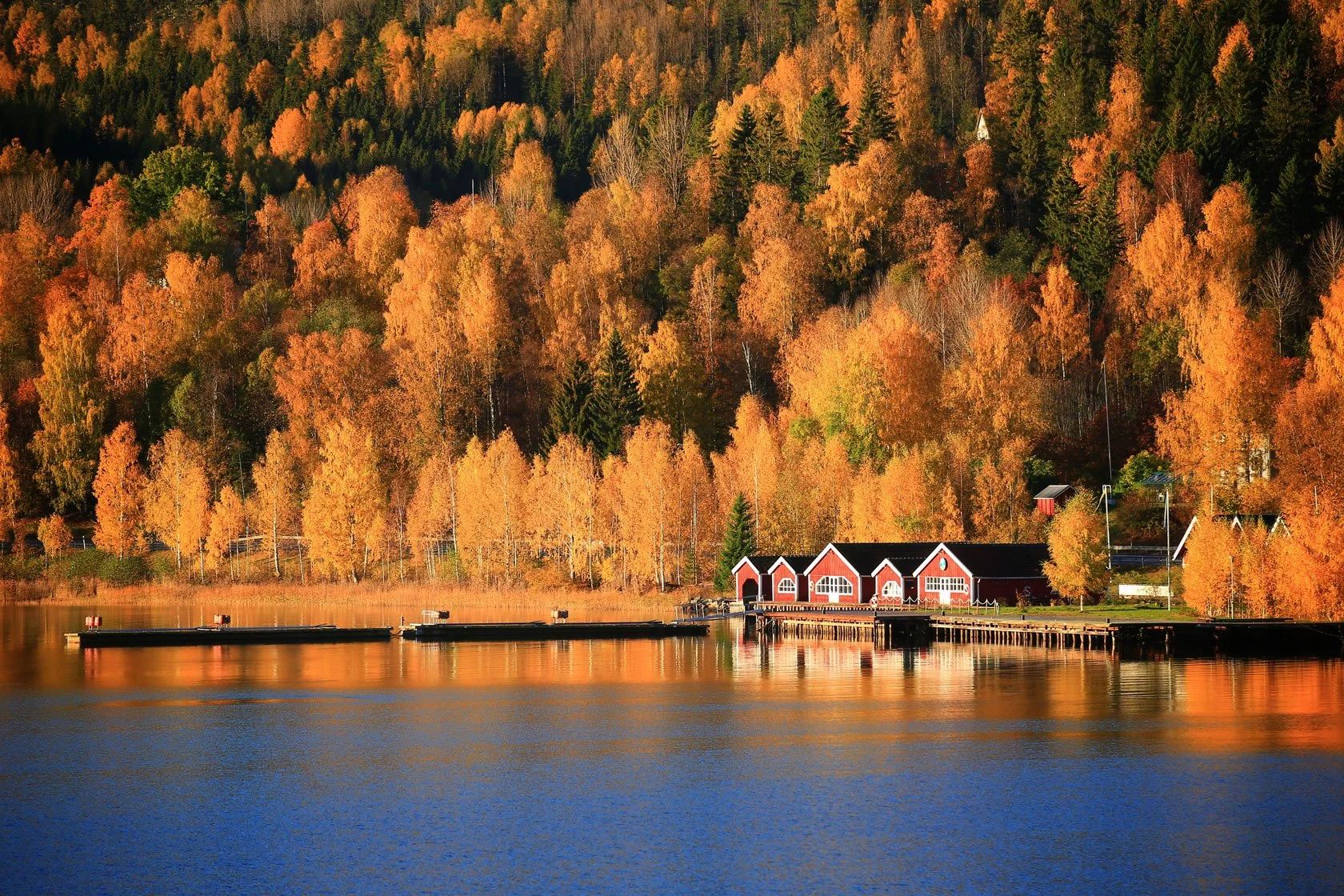
The light has begun its gentle retreat, painting Skuleberget in shades of amber and rust. Here on the High Coast in September, the forest whispers secrets that only those who truly listen can hear – stories of transformation, reflection, and the bittersweet beauty of seasons turning.

Standing on our marina dock, warm espresso aroma mixing with the crisp September air, I watched the sun cast its golden net across the Docksta fjord. There's something profoundly different about Nordic autumn light – it doesn't just illuminate; it transforms. The harsh brightness of summer has mellowed into something warmer, more intimate, like nature's own Instagram filter applied to the entire landscape.

This is the light photographers dream about, the kind that makes even the most amateur smartphone shots look like magazine covers. But more than that, it's the light that changes how we feel about a place.

September in the High Coast isn't just about what you see – it's about what stirs in your soul when the world begins its slow dance toward winter.


Skuleberget’s Autumn Symphony

Yesterday, I hiked Grottstigen up Skuleberget, and it felt like stepping into a quieter version of the mountain. The granite faces that look so stark in July light were suddenly warm — almost gentle. The birches had started to turn, not the full October fire yet, but the first honest yellows and golds that tell you the season is shifting.

From the summit, looking out over Skuleskogen National Park to the east, you can see the transition happening. Summer’s deep greens begin to break into a patchwork, changing with every gust of wind. It’s on days like this — in these early‑September runs and hikes — that I remember why the High Coast earned its UNESCO World Heritage status. Not just beautiful. Something that lands deeper.

Pro tip for autumn hikers (and trail runners): take Kalottstigen — the trail that follows the ancient coastline, from when Skuleberget was still a small island rising out of the ice. It gives you some of the best views of the shifting colours, especially in late afternoon, when that golden September light hits the rocks and trees around the summit.


Trail Running Through Liquid Gold

For trail running enthusiasts, the High Coast becomes something truly special after summer. In Docksta, early autumn brings a long weekend of racing during Höga Kusten Trail — routes that cross the national park, climb Skuleberget, and touch other panoramic summits nearby. Segments that feel brutal under July’s intense sun suddenly feel like running through liquid gold.

The temperature is perfect — cool enough to push your pace without overheating, warm enough that you don’t need layers. And the light? It’s like having a personal cinematographer following your every step.

That weekend is a magnet for passionate runners, and if you dream of staying seaside you’ll want to book well in advance (see our accommodations). For your own autumn running escape, our Guest House is an ideal home base: space to recover, a full kitchen for real meals, and a sea-view terrace that becomes even more spectacular in September light. The most iconic trails and peaks are right at your doorstep.

And when the day finally slows down, September sometimes gives you one more gift — not on the trail, but above the fjord.


Northern Lights: a September Bonus (Host Tip)

Northern lights are back, too. As the nights finally start to turn dark again (late August into early September), the sky sometimes surprises us with aurora — even here on the High Coast. You don’t have to be in Lapland to feel that kind of magic. On a clear night, the marina can become a front‑row seat: the fjord turns into a mirror, and the green movement above feels twice as alive.

If you’d like to try your luck, here’s my simple host routine. I check cloud cover first (a clear sky matters more than anything). Then I open yr.no (website, or even better the app) — reliable for our local weather, and with an integrated aurora forecast. And when the night looks promising, I step outside for ten minutes — no rush, no photos at first — just letting my eyes adjust to the dark. If you’re staying in the Boathouse, you’re already exactly where you want to be when the sky decides to dance.

Sometimes it’s nothing. Sometimes it’s a quiet glow — and that’s already enough. And sometimes it’s a memory you take home for years.

And after a night like that, the forest feels even quieter the next morning.


Skogspaus: Forest Pause in Autumn's Embrace

If there’s ever a time that truly inspired my hammock forest immersions, it’s September. After the first dark nights return — and the sky sometimes starts to dance again — the High Coast has a different energy then — quieter somehow, as if nature itself is taking a deep breath before winter’s long sleep. My favourite spots in the forest take on an almost mystical quality when filtered through autumn’s golden lens.

Last season, on one of the final Skogspaus weekends, I guided a couple from Germany to one of my favourite rocky pine forests near Docksta. As they settled into their hammocks, surrounded by the gentle rustling of leaves beginning their colour change, I watched something beautiful happen. The stress lines that had been etched on their faces when they arrived began to soften. The constant checking of phones stopped. They simply… breathed.

“This is what we came to the High Coast for,” she whispered to her partner, and I knew exactly what she meant. September in these mountains offers something you can’t find anywhere else — the perfect balance between summer’s energy and winter’s contemplation.

If you want to do it self-guided, we also have simple Skogspaus hammock kits (75 SEK/day) — and I’ll share a few tips for quiet spots.


Skogspaus: Experience Now, Go Deeper Later

Skogspaus has two lives.

  • One is here, in the forest: a 3-hour hammock immersion with me, bookable as an Airbnb Experience during the season (June-mid‑September).

  • The other is on the page: I’m also writing the Skogspaus book — not a trend piece, not a “self-help” manual, but a practical, lived path of nature reconnection for people who want the deeper story behind a simple pause.

  • If you’re planning an early-September stay, message me your dates — I’ll suggest the best day for the experience (and the right spot for the weather).


Sailing into Autumn's Golden Hour

While the sailing season here usually winds down by mid‑August, September offers some of the most spectacular conditions of the year for simply living by the sea. The summer buzz has thinned, leaving the archipelago feeling more intimate, more personal. The water still holds summer’s warmth while the air turns crisp — perfect for those magical late‑season coastal days.

From our fjord, watching Docksta Varvet’s vessels return in the evening light, I’m struck by how different the same view can look. The rocky skerries that felt so dramatic in July’s bright light now appear softer, more welcoming. The water reflects the sky’s changing colours like a mirror, creating double sunsets that take your breath away.

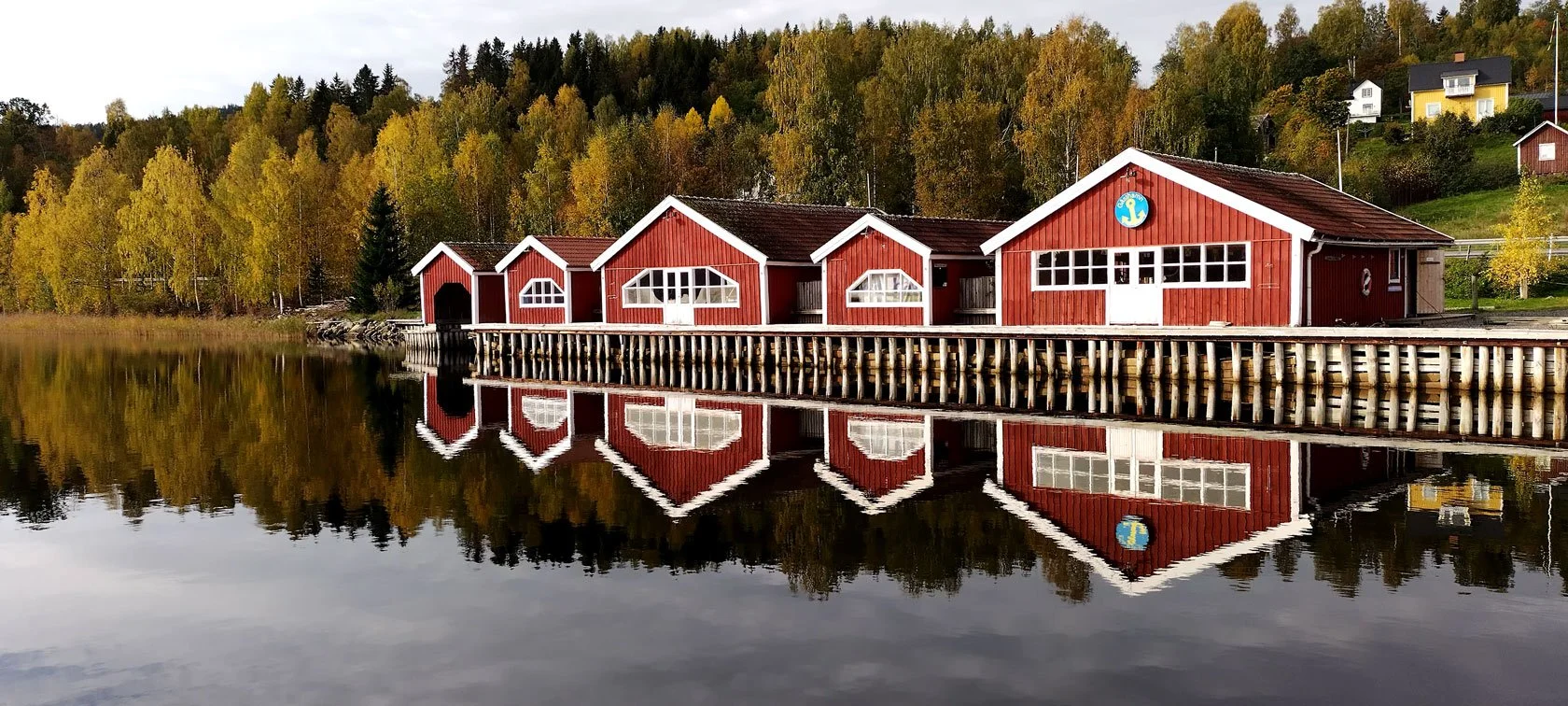
Our Boathouse, right above the water at the marina, offers front‑row seats to these autumn seaside spectacles. Imagine waking up to this view every morning — and ending your day watching the fjord glow in that incredible September light.


Planning Your Early-September High Coast Adventure

If you're reading this in winter (or early spring) and feeling that pull toward the High Coast’s softer season, here’s what you need to know:

  • Best time to visit: the first half of September offers the perfect balance — still warm enough for comfortable hiking, with that distinctive first-autumn light quality.

  • What to pack: layers. Mornings can be crisp, afternoons still warm up beautifully.

Where to stay

  • Guest House: perfect for families or groups wanting space and a full kitchen. That sea-view terrace is magic in September light.

  • Boathouse: for the minimalist traveller who wants to be as close to nature as possible.

  • Dock House: ideal for couples seeking an intimate retreat right above the water (usually available until late August — message me for current availability)

Don’t miss

  1. Sunrise hike up Skuleberget (the light is unbelievable) or late afternoon, trail running the #BIG5 segments (who dress in their warmest colors)

  2. A Skogspaus session in a changing rocky pine forest above Docksta

  3. A full day exploring the National Park (from the first steps by the sea to the panoramas above the trees and the archipelago — Skuleskogen will enchant you)

  4. Evening sea views when the archipelago turns quiet again

  5. Aurora is back: catch the dancing northern lights from your seaside base camp


The Bittersweet Beauty of Transition

There's something profoundly moving about September at Docksta Havet. It's the beginning of our goodbye to another season, but it's also when the High Coast reveals some of its most intimate secrets. The light that seemed so abundant in midsummer becomes precious now, each golden hour treasured because we know how quickly it will fade.

This is when I take longer excursions, explore new segments, linger in the hammock when the sun is already low, and finally see the landscape the way the busy summer months don’t always let you see it. Our guests slow down too — more time on the Guest House terrace, longer hikes, fewer plans… and a deeper kind of presence.


Looking Toward Spring's Promise

As I write this, watching the September light paint our marina in shades of gold, I'm already dreaming of next season. This is the time when we start planning improvements, dreaming up new experiences, and preparing for another magical summer. But it's also when we're reminded of why we fell in love with this place – not just for the busy energy of peak season, but for these quiet moments of transition when the High Coast shows its true soul.

September visitors often become our most passionate ambassadors. There's something about experiencing the High Coast in this transitional light that creates a deeper connection, a more profound appreciation for what makes this place special.

Ready to experience the High Coast’s autumn whisper for yourself? Our accommodations are available through mid-September — and trust me, early September is when the magic happens.

Ciao for now,

_Tommaso

P.S. If you’d like to keep a little thread with us between seasons, you’ll find us on Instagram: @DockstaHavetBaseCamp.

Skogspaus lives here: @Skogspausofficial.
And for the Skuleberget #BIG5 trail vibe: @Skulebergetbig5. (Plus my personal notes from the trails:
@Tominthehighcoast )

Planning an early‑September stay? Message me your dates — I’ll help you choose the best day for Skogspaus based on the forecast

Please write me by email or WhatsApp at +46.763136909


For Exploring the High Coast [index]:

For Hikers [index]:

For Forest Guests [index]:

Cykeluthyrning i Höga Kusten (Docksta)

Grab&Go MTB för dagsturer

Hyr MTB i Docksta, Höga Kusten. Grab&Go: cykel, hjälm & lås + lokala ruttips. Ingen deposition. Drop-in oftast OK. Boka via WhatsApp +46.763136628

Var hämtar jag? → Hyr MTB i Docksta – vid E4, nära Skuleberget och Skuleskogen.

Du är i Höga Kusten. Havet är nära, Skuleberget reser sig bakom byn och skogen börjar nästan direkt. Men kanske kom du med lätt packning. Kanske utan cykel. Kanske utan plan.

Grab&Go är vår enkla cykeluthyrning i Docksta (Docksta Havet Base Camp): MTB, hjälm och lås – plus lokala tips så att din dag blir bra på riktigt. Ingen deposition. Inga papper. Ingen stress.


För vem passar det här?

  • Du på semester utan egen cykel – och vill hinna både Skuleberget och kustvägarna, eller bara en "ut och rulla"-eftermiddag.

  • Ni som är par eller vänner – och vill röra er tillsammans utan att planera ihjäl er.

  • Familjer – som vill ha enkla priser, tydlig logistik och ingen stress med egen utrustning.

  • Du som kom med buss eller tåg – och vill slippa trafik, parkering och tungt bagage.

  • Spontana resenärer – som vill kunna uppleva mer med lätt packning.


Cykeluthyrning i Docksta – vad ingår?

När du hyr cykel hos oss får du:

  • MTB (mountain bike)

  • Hjälm

  • Lås

  • En snabb genomgång (inställning + säkerhet)

  • Ruttförslag (vad som är rimligt idag, beroende på tid, väder och energi)

Vi håller det enkelt: du får det du behöver för att komma ut – och du slipper onödigt krångel.


PRISER (tydligt och per dag)

Vi håller det enkelt: dagspriser – du väljer hur stor dag du vill ha.

(Kort tur eller heldag. Inga konstigheter.)

  • Cykel – Lilla rundan (Skuleberget / Naturscen)
    150 SEK/dag · 2–6 timmar från Docksta, kvällstur, "lite men bra"

  • Cykel – Stora dagen (Skuleskogen / Nätra Fjällskog)
    200 SEK/dag · Heldag från Docksta, längre runda, nationalpark

  • Dagsryggsäck 20L (tillägg)
    50 SEK/dag

  • Hängmattekit (tillägg, inkl. tarp)
    75 SEK/dag · Skogspaus, vila, "en bra sorts trötthet"

  • Perfect Forest Day Kit (cykel + ryggsäck + hängmatta)
    250 SEK/dag · En enda beslutspunkt – sen frihet. (Billigare än delarna var för sig.)

Hjälm och lås ingår i alla cykeluthyrningar.

Vill du se allt i detalj (kit, bokning & villkor)? Se priser & boka här →


Gästberättelser

🇸🇪 Anna & Jonas (Stockholm)
"Vi bodde på Tommasos Airbnb och ville cykla till Skuleberget. Han fixade allt på 10 minuter. Turen var enkel och vi var tillbaka i tid för espresso i Club House."

🇫🇮 Mika & Sari (Finland, seglare)
"Vi har lagt till i Docksta Havet flera år. I somras hyrde vi två extra cyklar till våra gäster. Vi cyklade tillsammans till Skuleskogen, gick på lederna och var tillbaka före solnedgången. Enkelt och prisvärt."

🇸🇪 Elin (Sundsvall)
"Vi körde för att se en konsert på Naturscen. Parkeringen där är kaos. Vi hittade cykeluthyrningen i Docksta, parkerade gratis och cyklade till konserten. Vi hann också se Skuleberget innan showen."


SÅ FUNKAR DET (3 steg)

  1. Skriv på WhatsApp (snabbast) eller kom förbi.

  2. Vi bekräftar och föreslår en rutt som passar din dag (kort tur / heldag / familj / "bara rulla").

  3. Hämta, betala och rulla – vi fixar hjälm och ställer in cykeln på ca 10 minuter.

Drop-in eller boka?

Drop-in funkar oftast – men skriv på WhatsApp så är du säker.
Om ni är en grupp (5+ personer) eller om du kommer under högsäsong / till event, bekräftar vi tillgänglighet innan.

Var hämtar jag?

Docksta Havet Base Camp – Hamnen i Docksta (vid E4)
Adress: Hamnen 10, 873 96 Docksta

Vill du ha exakt punkt på karta? Se karta & vägbeskrivning →

ÖPPETTIDER

Säsongen går från mitten av maj till mitten av september.
Exakta tider varierar – skriv på WhatsApp så säger vi när vi är på plats och kan ta emot dig. Det tar 2 minuter att få svar.

BETALNING (enkelt)

Vid upphämtning betalar du direkt via:

  • Swish

  • Kort (iZettle)

  • Kontant (SEK eller Euro)

Ingen deposition.

Bra att veta

  • Hjälm och lås ingår i alla cykeluthyrningar.

  • Betalning på plats (kort/Swish).

  • Vi hjälper dig välja "lagom stor dag" – så du slipper överplanera.


Varför Grab&Go (vår skillnad)

Det finns cykeluthyrning – och så finns det värdskap.

  • Baslägerläge i Docksta: lätt att nå, lätt att starta från

  • Lokala tips ingår: rutt, timing, vad som är smart idag

  • Ingen deposition, inga papper: vi jobbar med förtroende

  • Flexibel retur: inga onödiga deadlines

  • Öppet för alla: inte bara våra boendegäster

  • Snabb kontakt: du får svar snabbt och rakt


Outdoor‑ready på några minuter

Hämta upp vid Docksta marina och bli outdoor‑ready på några minuter: cykel + enkla essentials + en realistisk plan för din dag.

Du behöver inte ha med egen utrustning – bara komma som du är.

Välj din dag (Grab&Go‑planer)

  • SKULESKOGEN Nationalpark – bike‑first dagstur
    En cykel‑först plan för en nationalparksdag: mindre stress, mer tid på stig. Läs guiden →

  • NATURSCEN Skuleberget – smart konsertkväll
    Grab&Go‑cykel + enkel plan för konsertkvällar. Slippa parkeringsstress. Läs guiden →

  • SKULEBERGET + kustkänsla (halvdag)
    Rulla en kort tur, ta en paus med utsikt, och gör dagen lätt. Läs guiden →

  • NÄTRA FJÄLLSKOG – skogsdagen
    Mossa, tystnad och det där lokala som inte står på skyltarna. Läs guiden →

  • CYCLA FRÅN DOCKSTA – välj ditt upplägg

    Vill du ha en enkel plan för dagen? Här är min guide till fyra olika cykeluppläggen från Docksta – från klassiska utsikter till vilda skogar. Välj ditt upplägg


SNABBA FRÅGOR (FAQ)

  • Kan man hyra cykel i Docksta utan att bo hos er? Ja, Grab&Go är öppet för alla.

  • Behöver jag lämna deposition? Nej.

  • Kan jag avboka? Ja – gratis avbokning upp till 24 timmar innan.

  • Kan jag förlänga en dag? Ofta ja – skriv på WhatsApp så kollar vi.


HITTA OSS (Docksta)

Grab&Go Outdoor Gear Rental

Docksta Havet Base Camp
Hamnen 10, 873 96 Docksta

Öppet: maj–september (tider varierar) – skriv på WhatsApp så säger vi när vi är på plats.


Redo för en bra dag i Höga Kusten?

Skriv till oss på WhatsApp och berätta:

  • hur många ni är

  • vilken dag

  • om ni vill kort tur (150) eller heldag (200)

Vi bekräftar snabbt – och hjälper dig få en dag som känns enkel, fri och “precis lagom stor”.


Höga Kusten Micro‑Guides & Local Tips

Micro‑guides and local tips for Höga Kusten: day trips, hikes, viewpoints and quiet forest pauses. Hosted by Docksta Havet Base Camp in Docksta marina.

High Coast by sailboat: safe mooring + hiking from the same base camp

High Coast Sailors: Docksta Base Camp (Safe Mooring + Hiking)

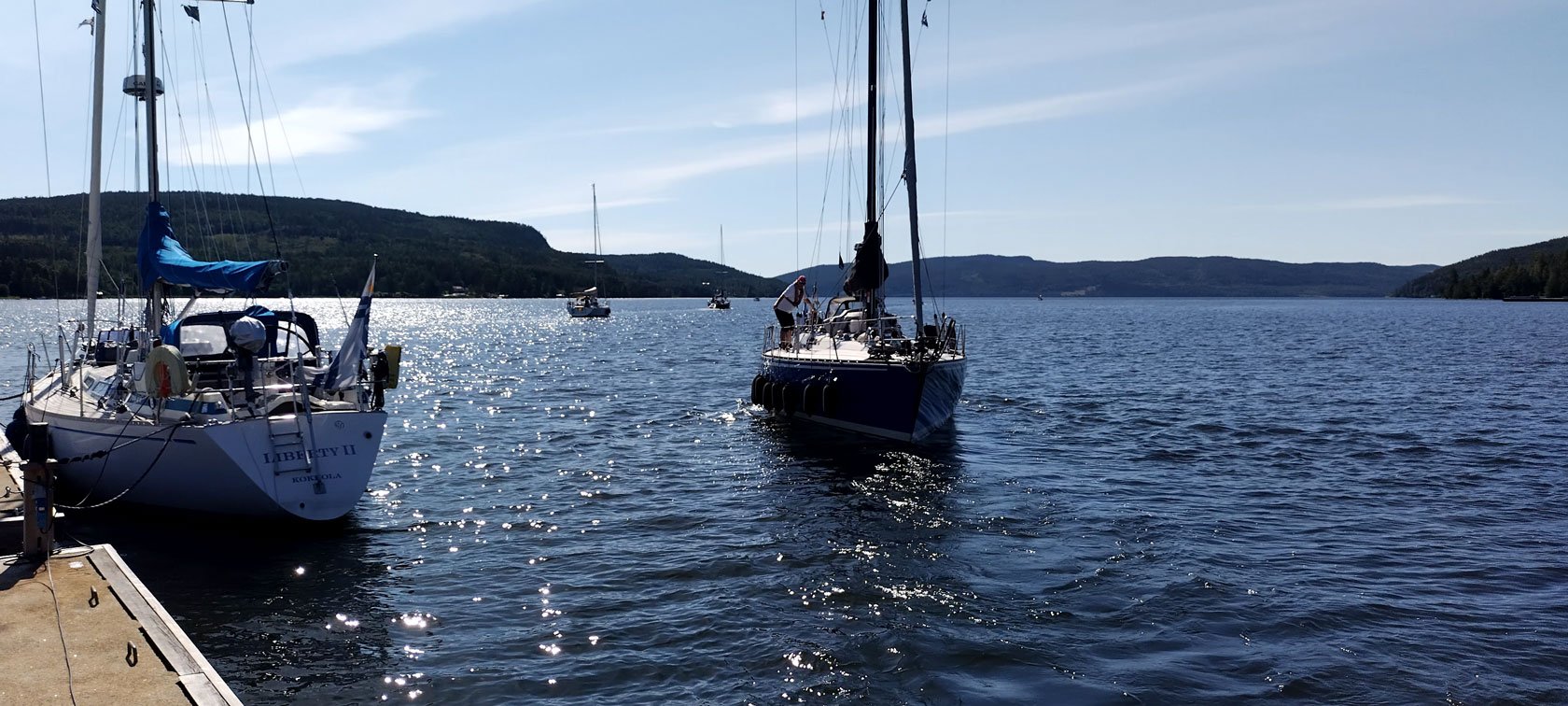
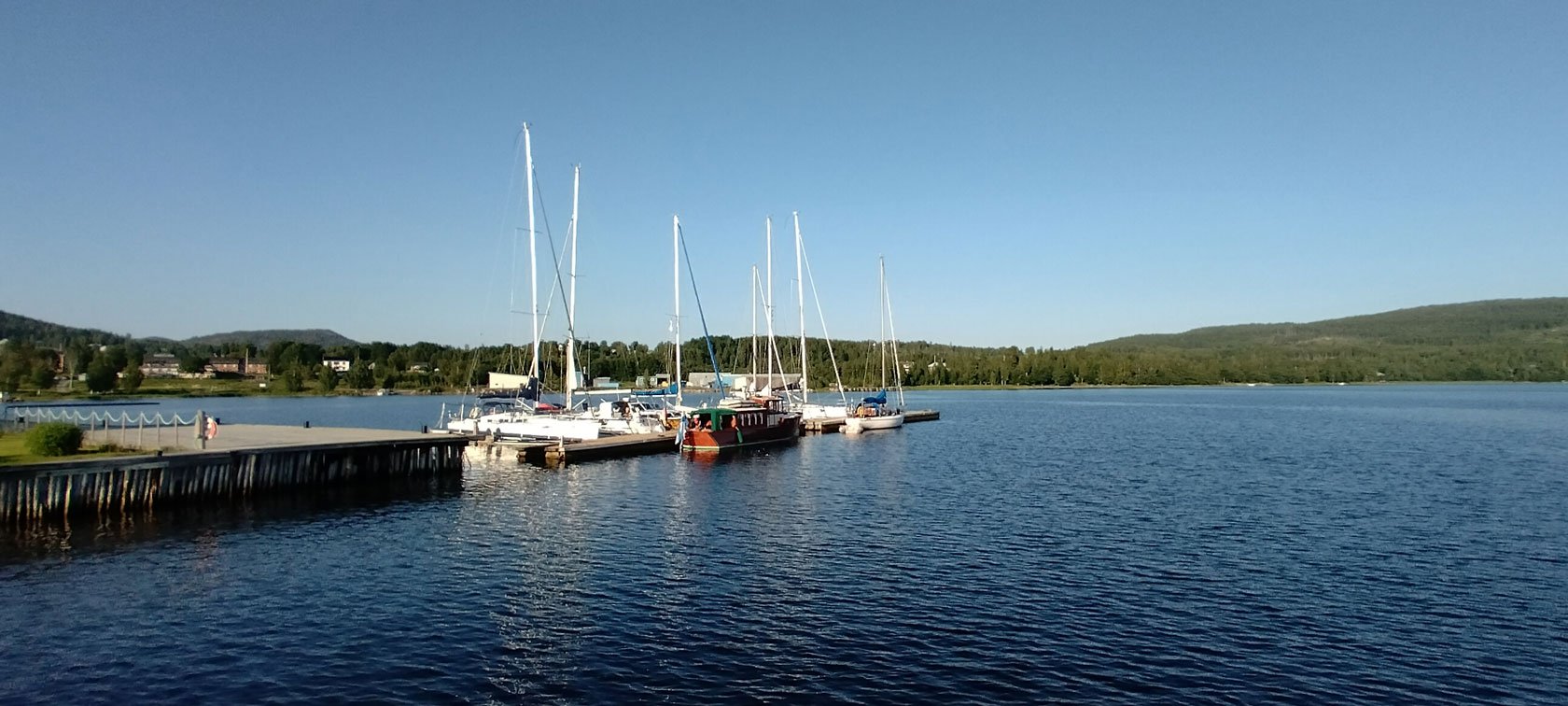
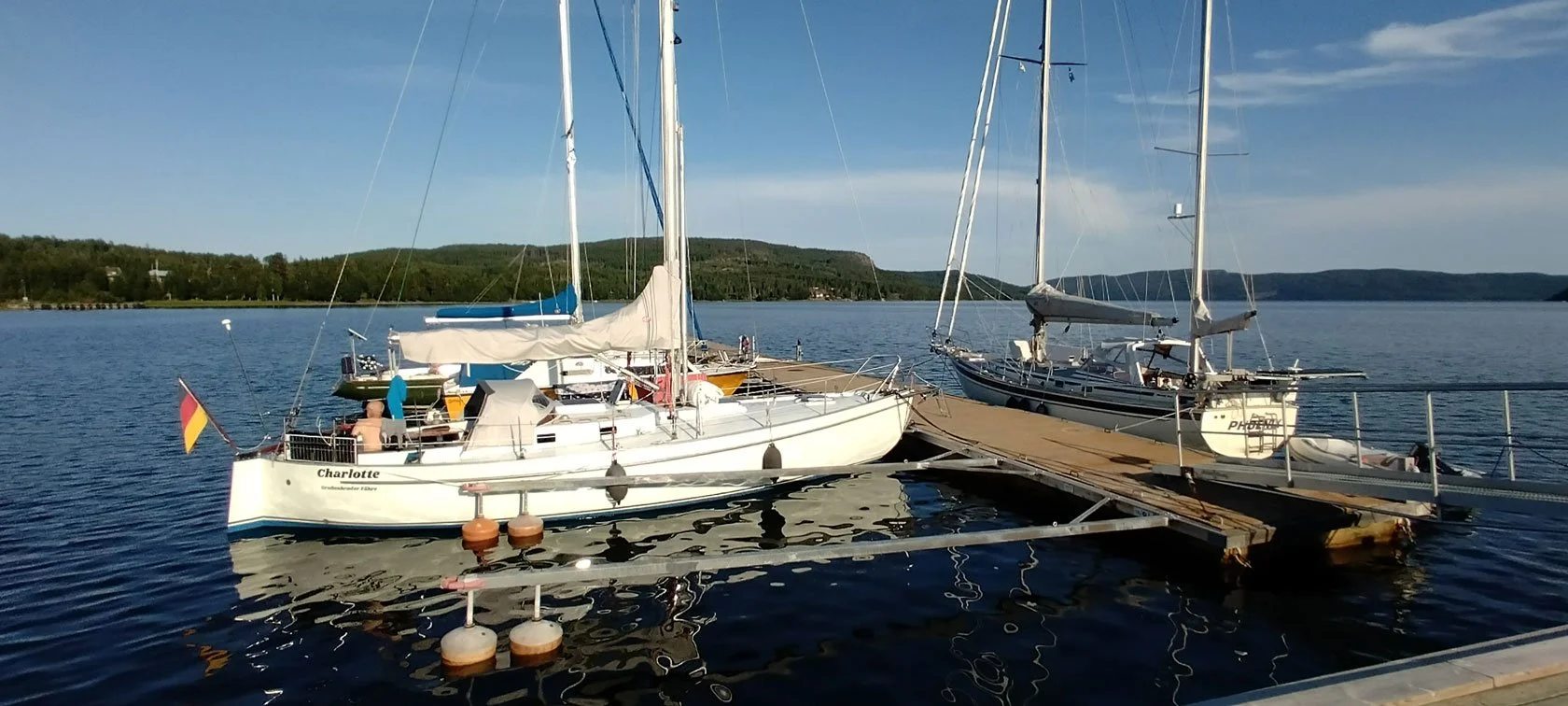
Docksta Havet is a guest harbour (gästhamn / marina) in Docksta, in the sheltered Dockstafjärden fjord, offering Y‑boom berths (finger pontoons) and alongside mooring on quays and pontoons—a calm setup when the weather shifts. Summer 2026 is our 20th season here in Docksta: two decades of welcoming crews into a harbour that’s more than a berth—it’s a sailor’s base camp, and that approach keeps crews coming back. That’s why Docksta Havet often becomes the one High Coast stop that isn’t a pit‑stop — you arrive, tie up, and your hiking day is already plugged in.

From here, turn 24–72 hours on shore into a real base‑camp day: Skuleskogen National Park first, Skuleberget next, plus Grab&Go bike rental, the Sailor’s Club House (espresso and a simple lounge to reset and plan), and a local harbour host with a solid bad‑weather plan. If you only have time for one proper shore‑leave plan in the High Coast, this is the simplest one to make work.

Predikstolen viewpoint, Getsvedjeberget. Easy hike on foot — or ride there with our bikes from Docksta Marina.


Why Docksta works as a sailor’s base camp (not just a stop)

If you’re sailing the Swedish coast, you know the pattern: you arrive, you tie up, and then you spend half your shore leave solving logistics.

Docksta is different: it’s a shore‑leave base camp — safe mooring, then real hiking without the logistics headache.

  • Protected moorings: sheltered from the main wind directions — arrive calm, sleep well, and keep your plan flexible.

  • Harbour host on site: local timing + route intel — “what makes sense today” based on wind, rain, and your shore window.

  • Over 30% of our guests are international repeat visitors—crews who come back because this stop simply works: safe mooring and an outdoors-first shore leave.

  • Want the captain’s shortcut? Start with the High Coast Sailor Mini‑Guide.


Shore leave that starts from the pontoons (Skuleskogen first)

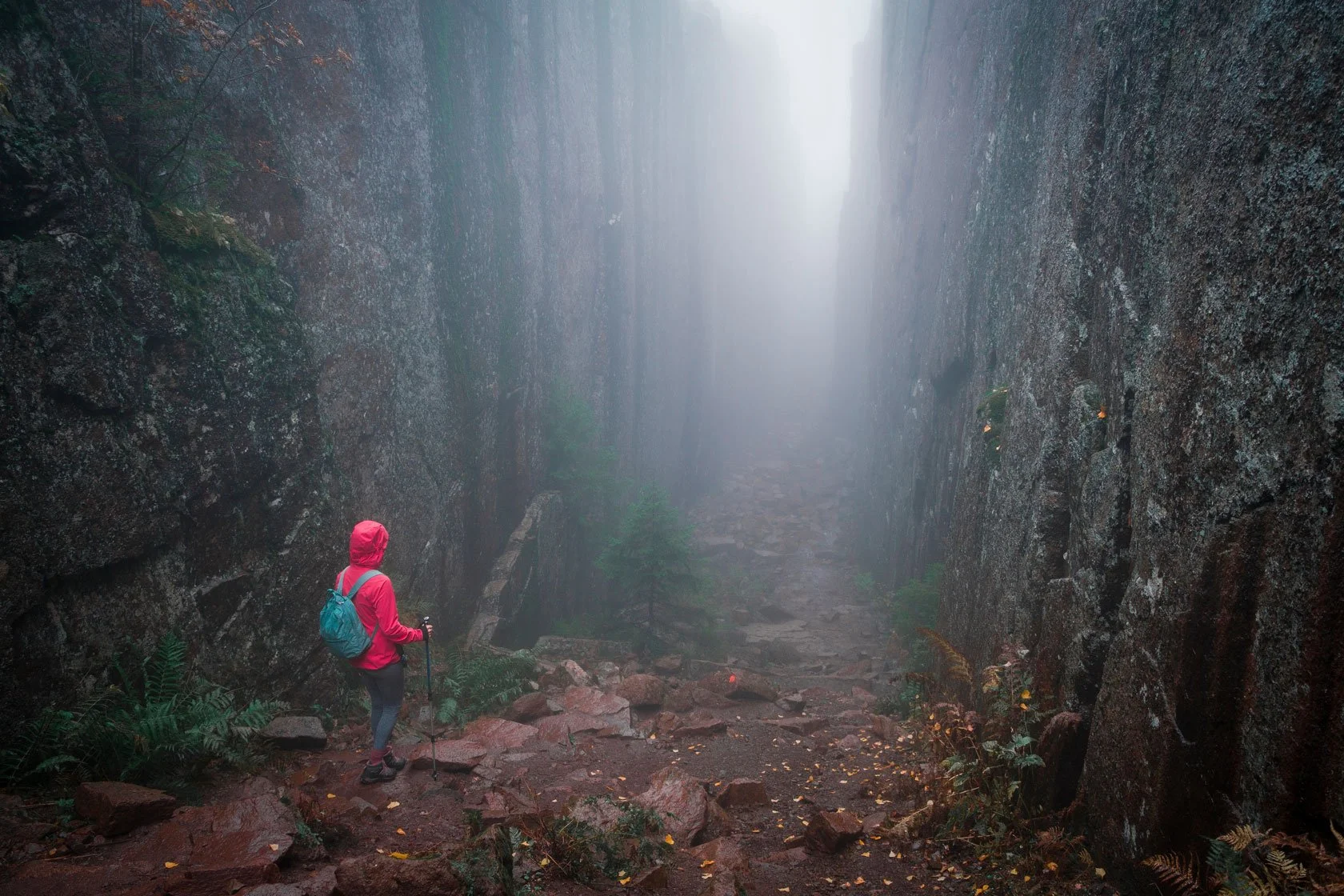
Slåttdalskrevan crevice, Skuleskogen National Park. An iconic “must-see” spot in the High Coast.

From Docksta, Skuleskogen National Park is the obvious first choice—and the easiest way to make it work is to start from Entré Syd. It gives you a clean, sailor‑friendly day plan: a proper High Coast hike with big landscapes, without turning shore leave into a transport puzzle.

There’s one loop from Entré Syd that’s become a favourite among sailors — our signature shore‑leave hike, and it’s increasingly shared between crews planning their High Coast stop. If you tell me your time window and the weather, I’ll point you to the best version (and you’ll find the detailed trail posts linked below).

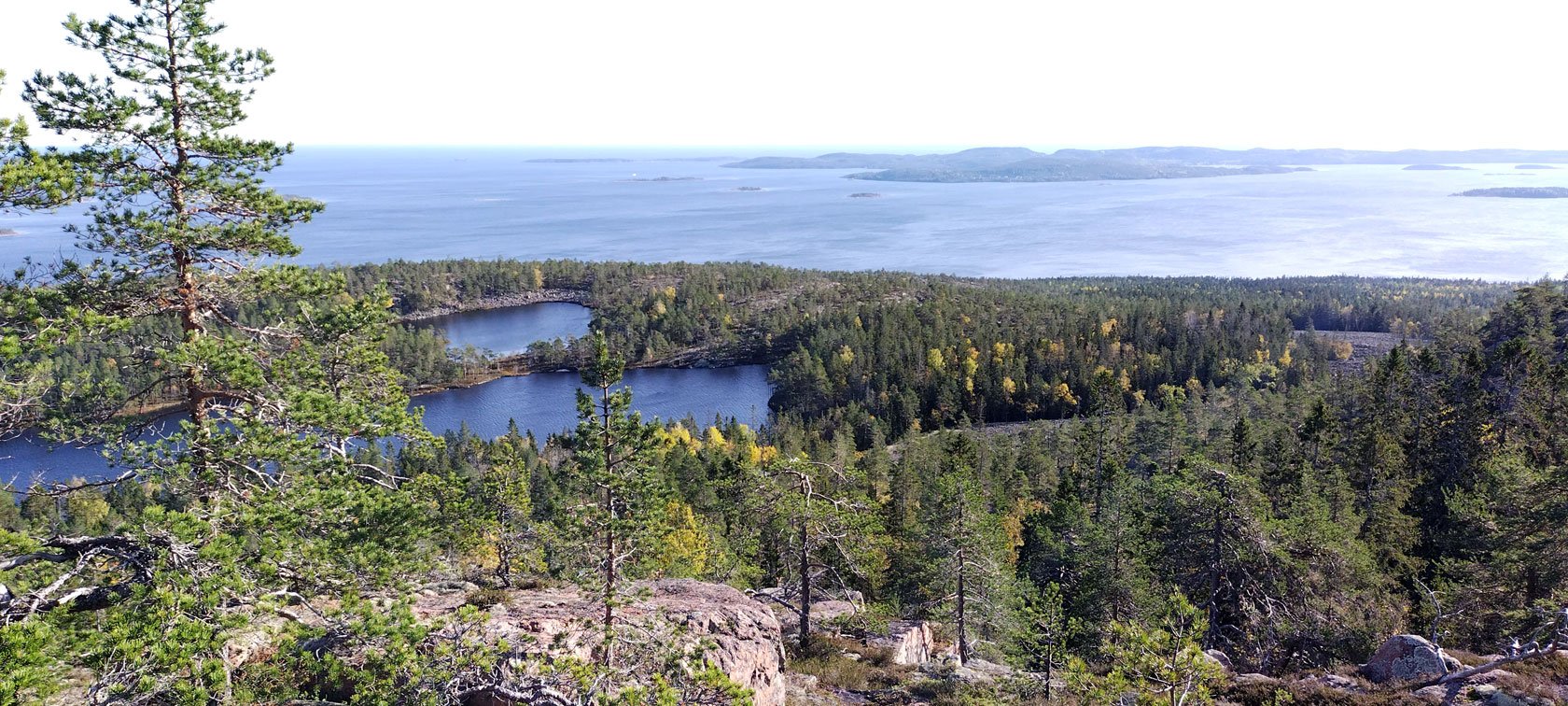
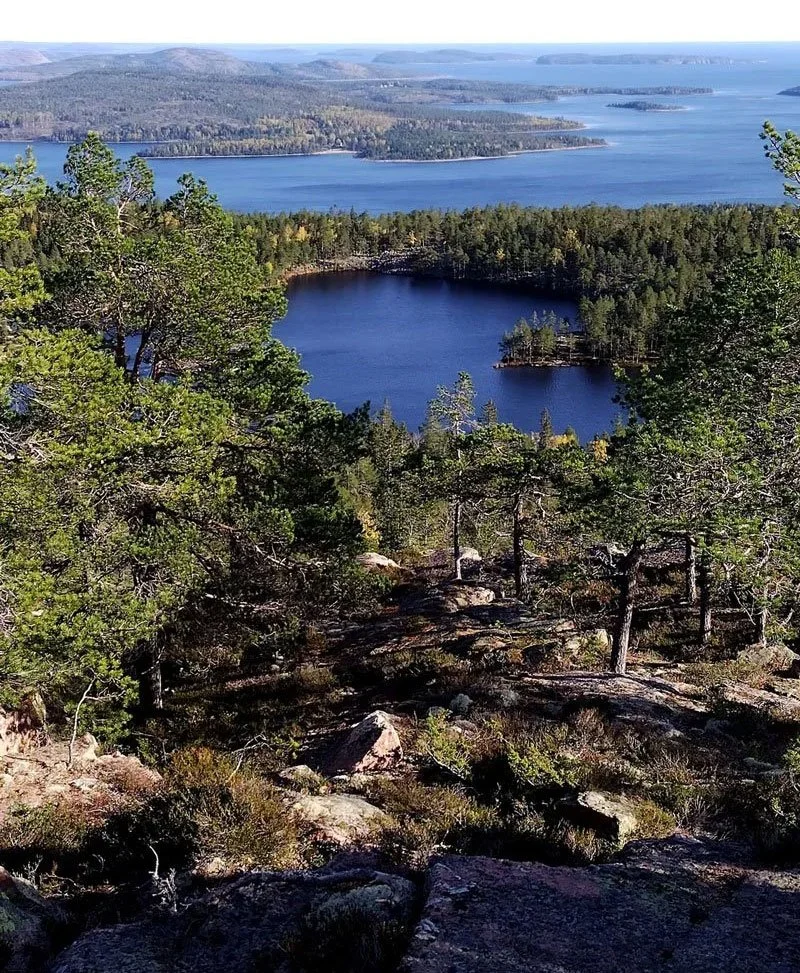
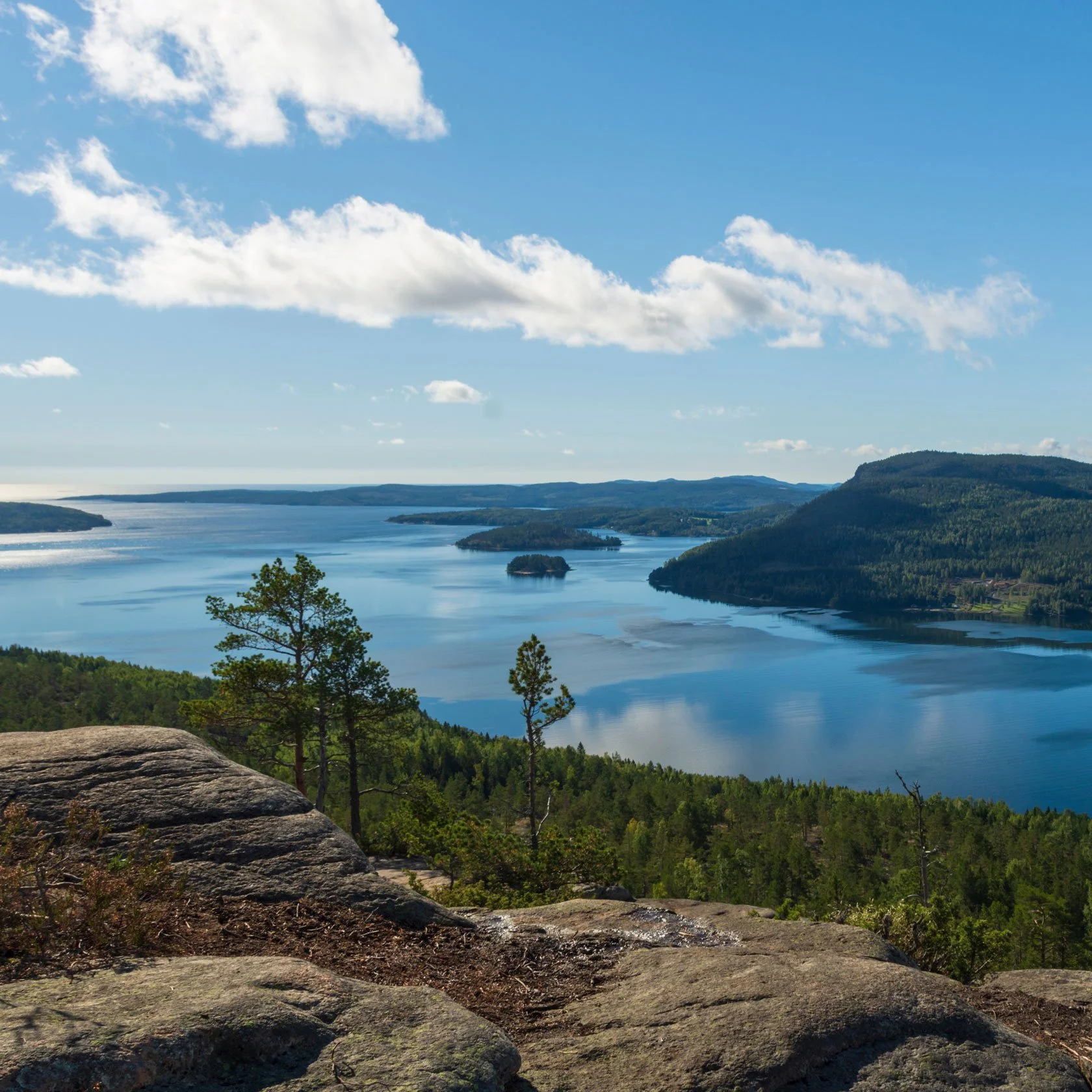
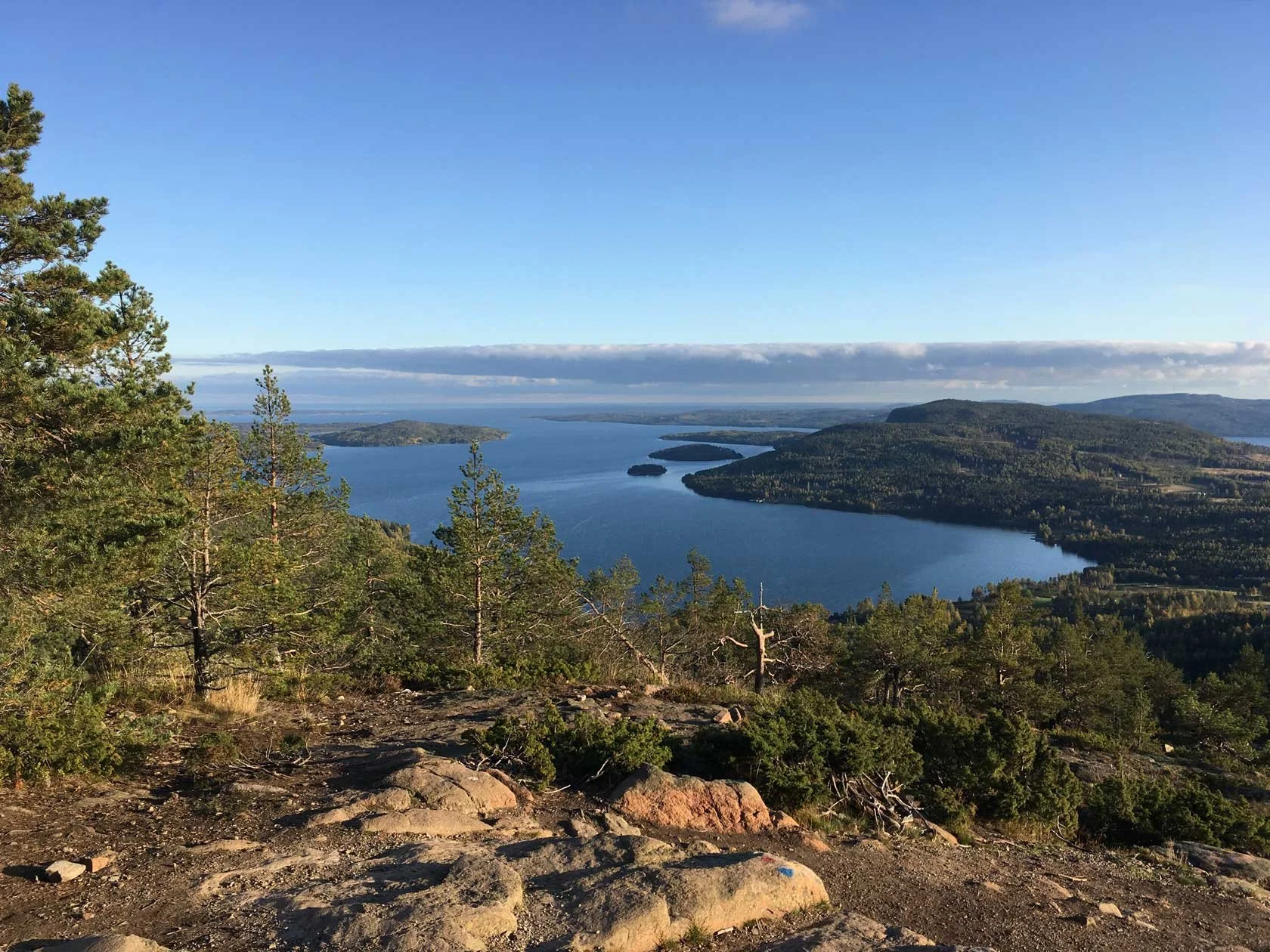
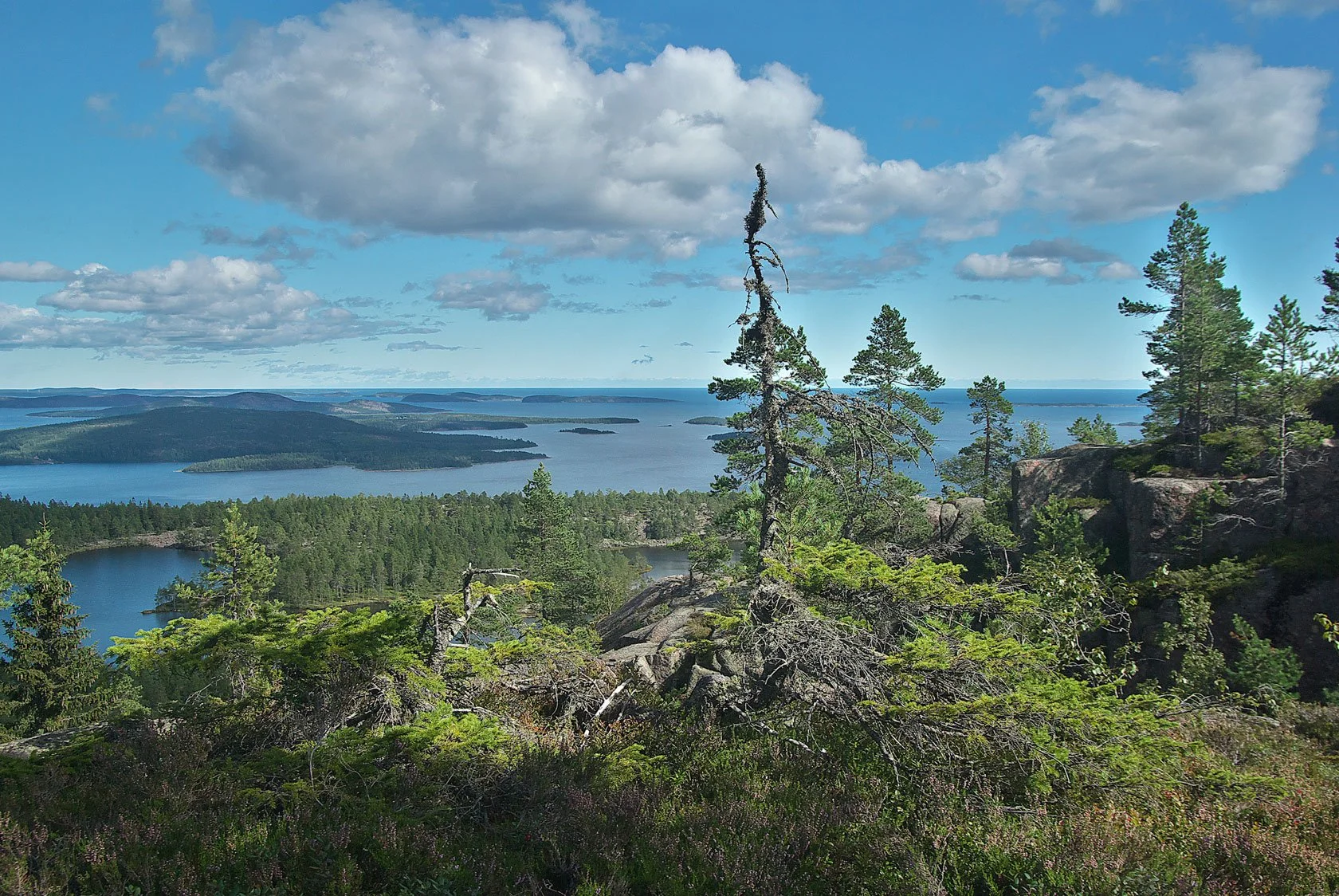
View over the High Coast fjords from the top of Skuleberget — one of our key places in Docksta. If you want the best way up (and the best loop), start here (Docksta Havet Base Camp).

For day two (or a shorter “high reward” option), Skuleberget is right there: the Naturum museum, Via Ferrata, classic summit trails, and the chairlift are all part of the same compact area—exactly the kind of shore leave sailors look for when they want maximum experience with minimum hassle.

Below you’ll find links to our Skuleskogen and Skuleberget guides (routes, timing, and Plan B options).

Via Ferrata Skuleberget (Docksta) — one of the High Coast’s most iconic adventures.


Free mini-guide for High Coast sailors

Planning your stop in Docksta? Download the High Coast Sailor Mini‑Guide: practical shore-leave ideas, what to do with 24–72 hours, and the simplest ways to reach Skuleskogen and Skuleberget.

Get it here: High Coast Sailor Mini‑Guide

It’s the fastest way to plan a 24–72h stop.


Grab&Go: shore leave mobility (bike rental, made simple)

This season we’re introducing Grab&Go: a simple way to unlock a real outdoor day even if you arrive without gear or a car. It starts with bike rental, but the idea is bigger than bikes: it’s “base-camp mobility” for sailors—quick, flexible, and built around the High Coast day rhythm.

Message me your ETA and your plan (Skuleskogen / Skuleberget / bad-weather option) and I’ll tell you what setup makes sense.

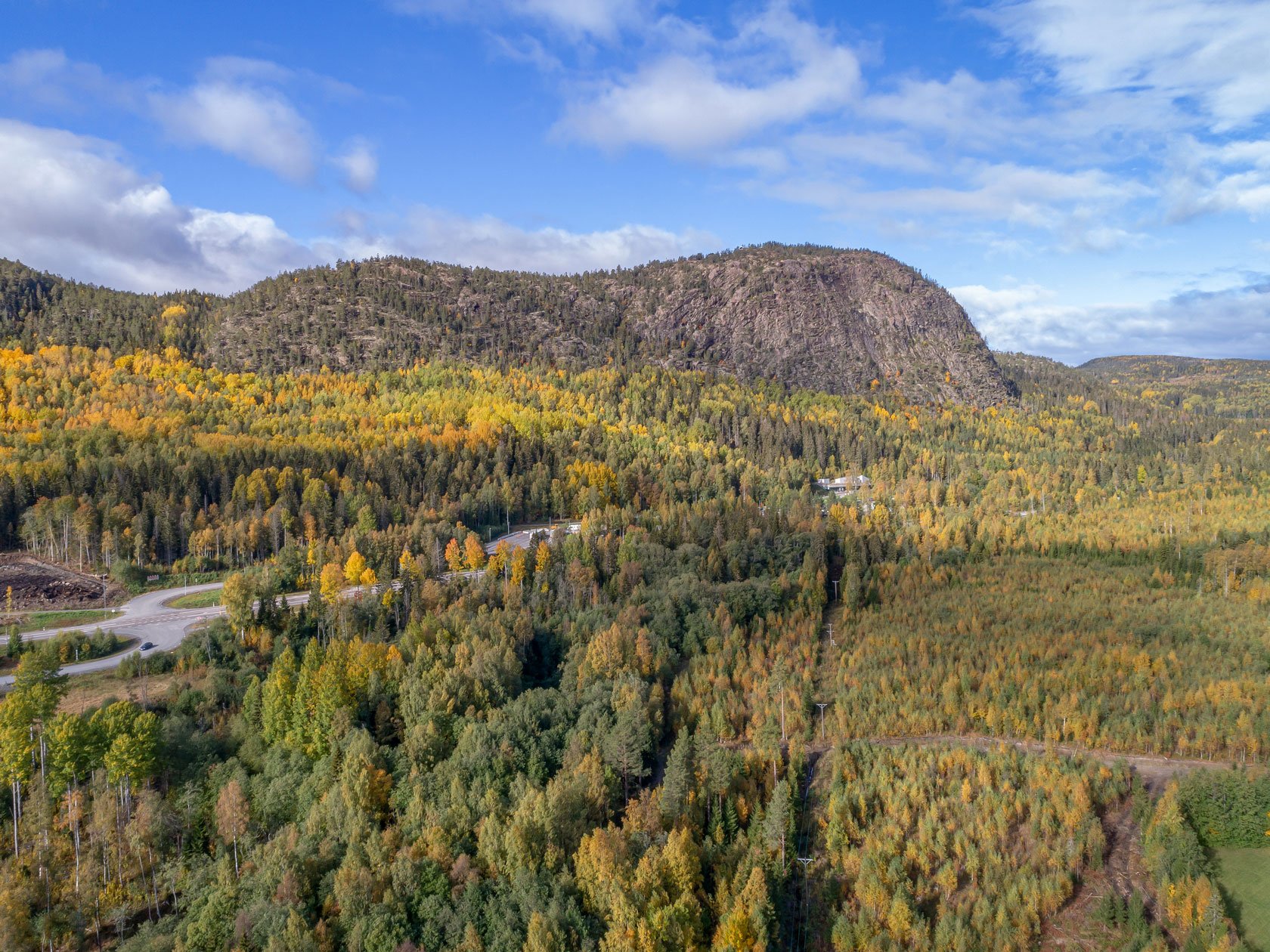
East side of Skuleberget — the unmistakable profile of Docksta’s home mountain.


The Sailor’s Club House (simple, but it changes the day)

Between sea and forest, you need one thing: a place to reset and plan.

Our Club House is that point: espresso, a warm corner to sit down, and the kind of small local guidance that saves you hours of trial-and-error when you only have one or two days.


Getting here + essentials in Docksta (E4 + shore logistics)

Docksta sits right by the E4, which makes it surprisingly easy for crews and visitors to connect by car or bus.

In the village you’ll find the basics you actually need on shore leave:

  • Grocery: ICA supermarket

  • Fuel: available locally (message me and I’ll point you to the quickest option based on your timing)

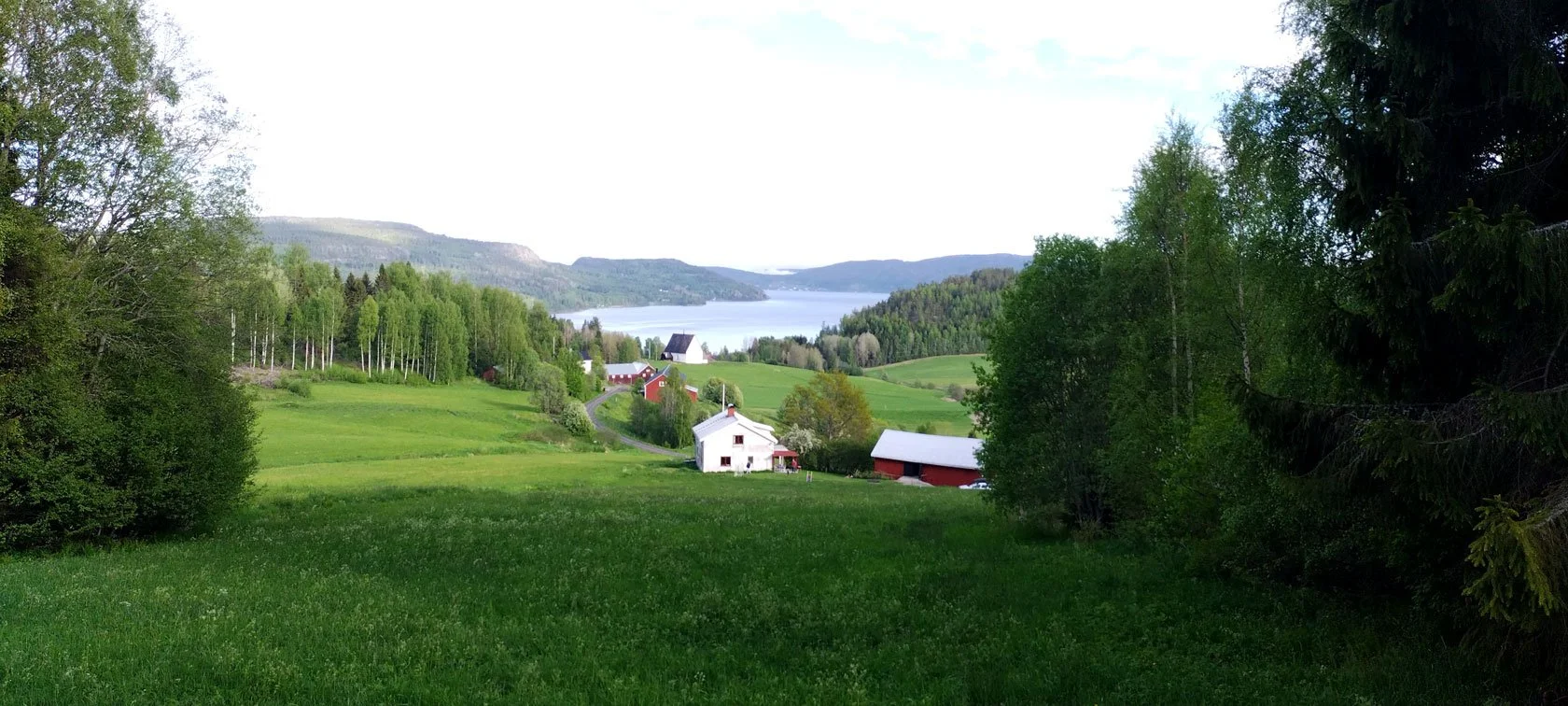
Panoramic view over the Docksta fjord, looking out from the area around Docksta’s old medieval church.


Suggested plans (choose your shore leave window)

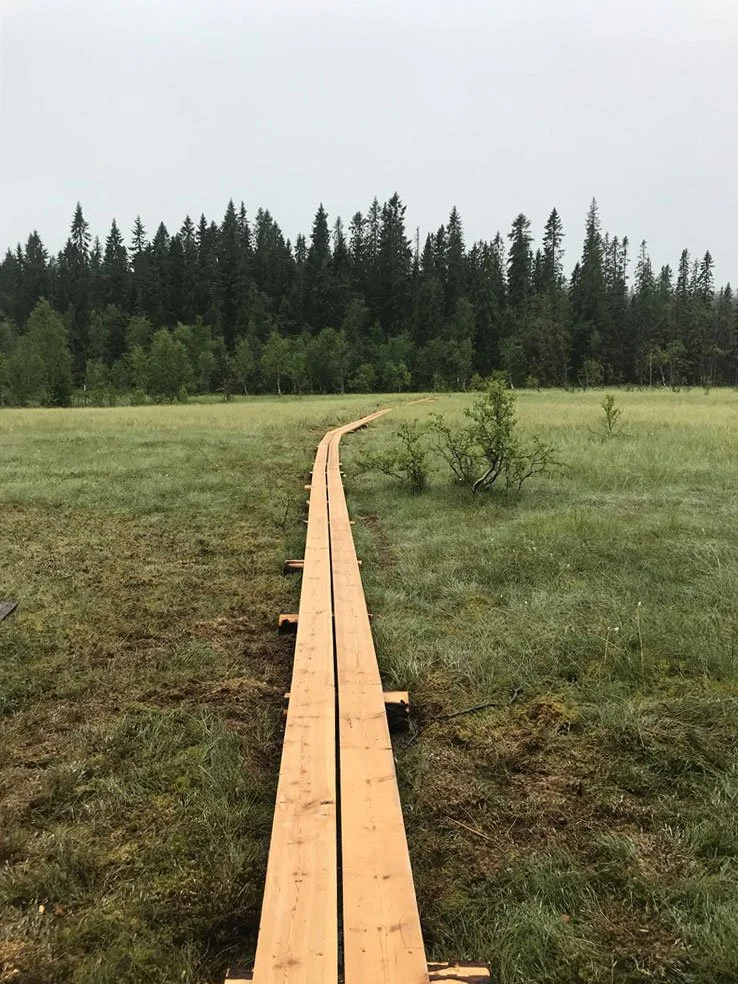
Boardwalk trail through the wetlands of Nätra Fjällskog Nature Reserve — a perfect day trip by bike from Docksta Marina.

Panoramic view over Docksta’s two fjords from Skuleberget.

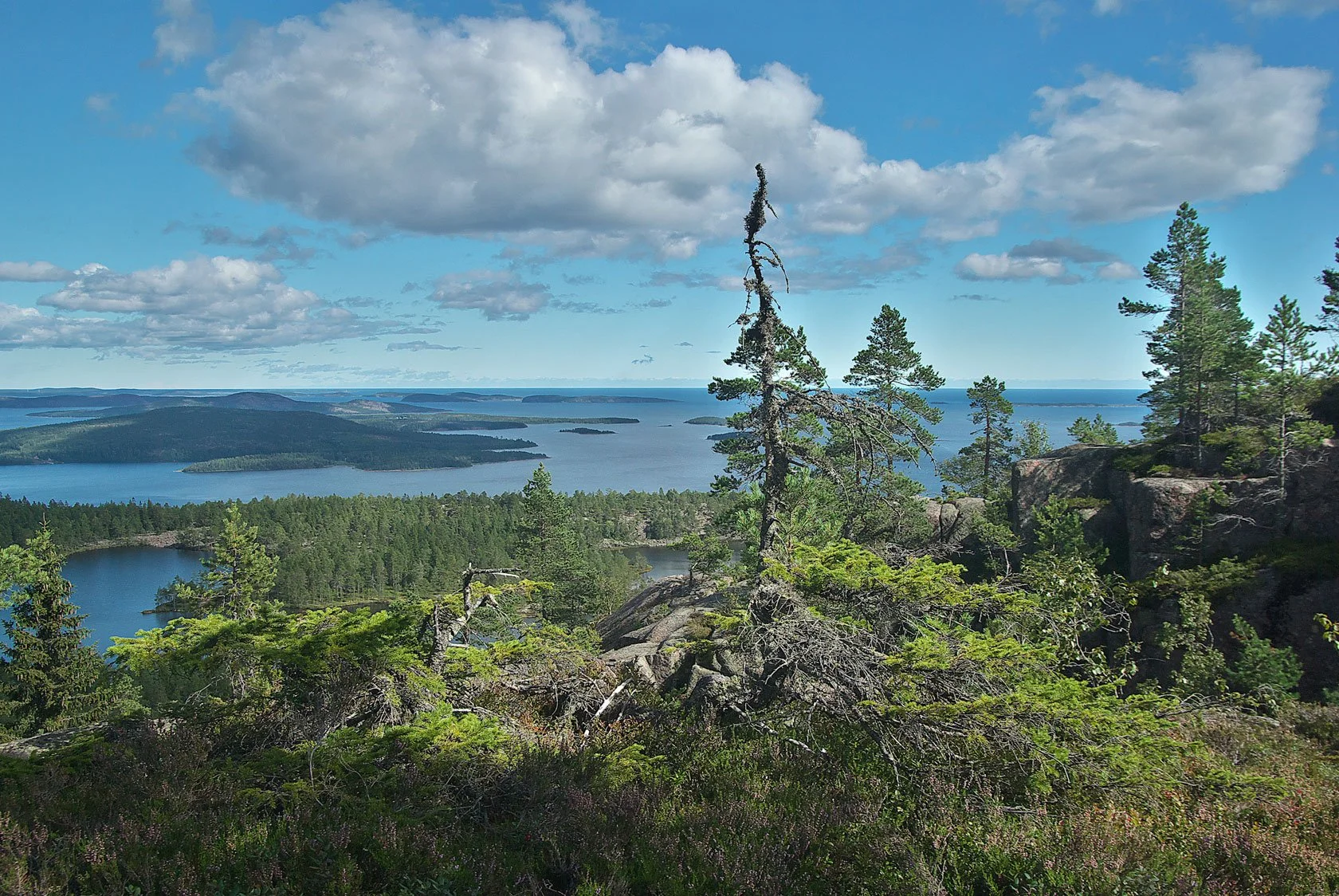
High Coast Archipelago view from the top of Slåttdalsberget, Skuleskogen National Park.

  • 24 hours: the “proper reset”

    Arrive, tie up, and keep it simple: a short outdoor loop, a viewpoint, and a calm evening. If the weather is unstable, I’ll point you to the best “low-risk, high-reward” option for the day.

  • 48 hours: Skuleskogen day + easy second day

    One full day for Skuleskogen National Park, then a second day for a shorter hike or Skuleberget—with time to enjoy the harbour and actually rest.

  • 72 hours: the High Coast base camp rhythm

    This is the sweet spot: one bigger trail day, one flexible day (bike + hike or archipelago mood), and one day that stays open for weather. You get the High Coast feeling without rushing.

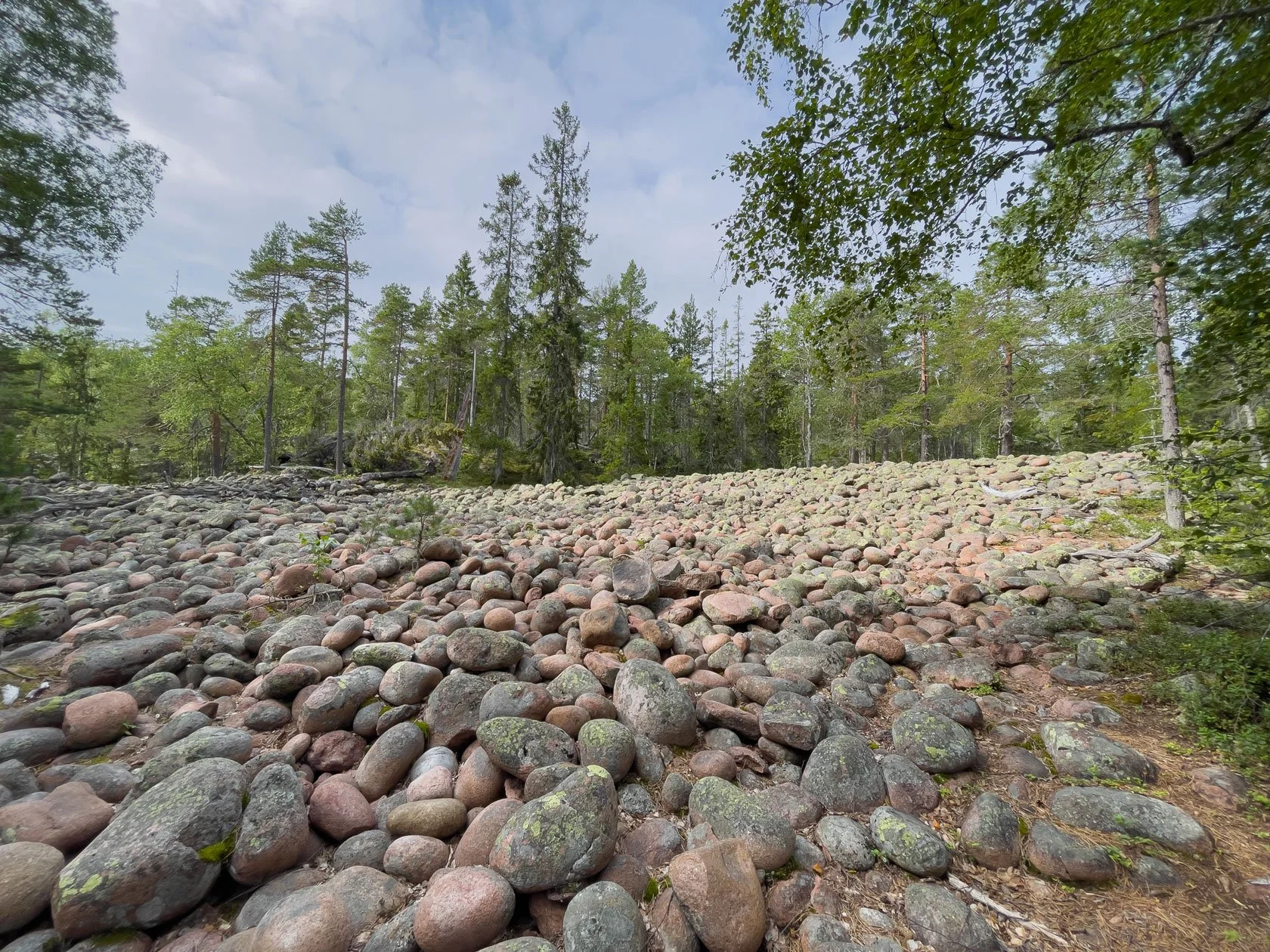
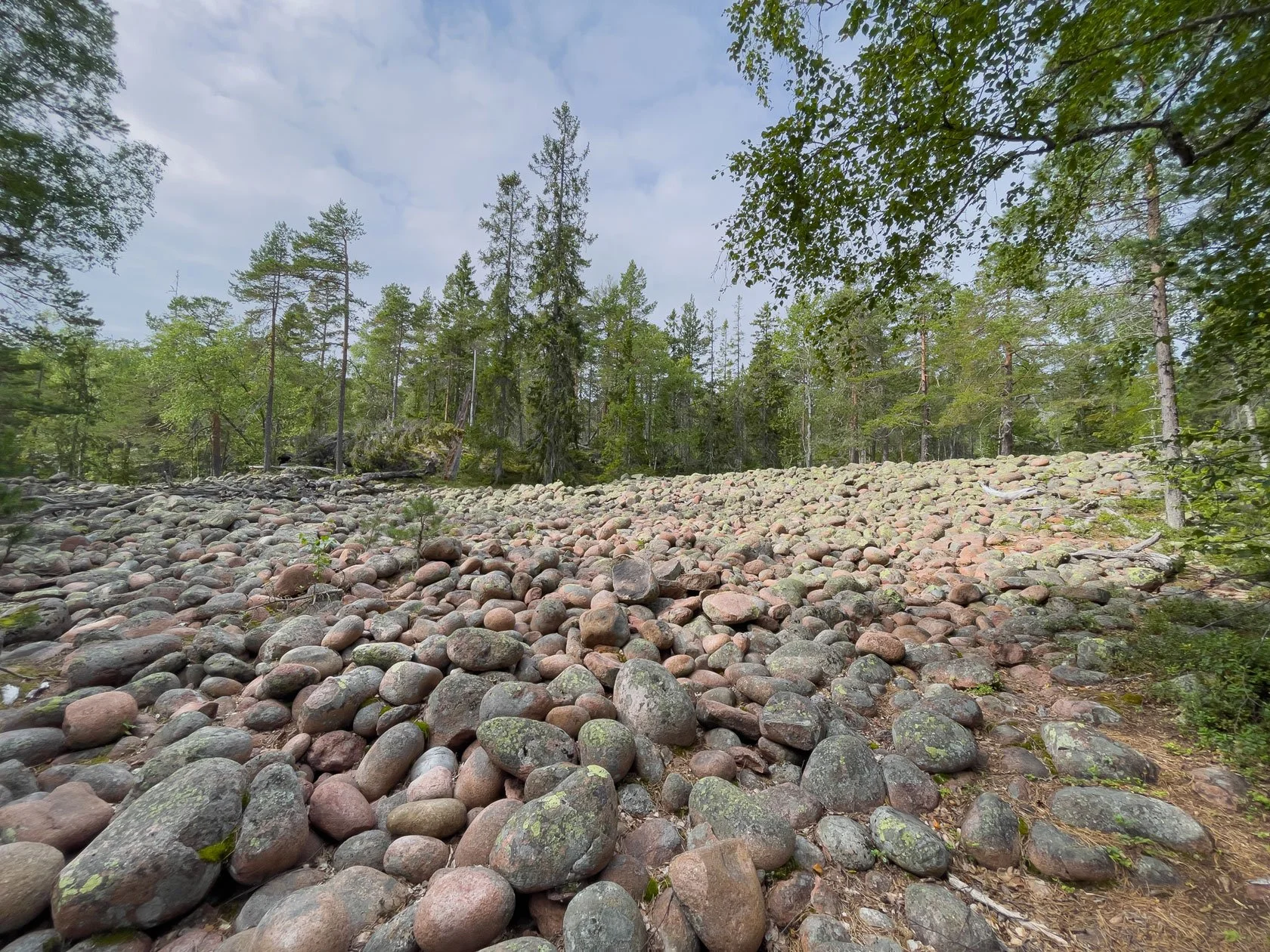
A classic klapperfält (boulder field) — one of the High Coast’s most distinctive landscapes.


Skogspaus: a 3-hour forest reset (bookable on Airbnb)

If you want a different kind of shore leave—quiet, grounded, and surprisingly powerful—there’s Skogspaus, our 3-hour forest immersion. Small groups, simple gear, and a slow rhythm designed to help you reset after days on the water (or long drives).

It’s a new experience for 2026 and you can book it on Airbnb (or message me if you’re unsure which day fits the weather).


Bad weather plan (this is why the harbour matters)

Weather is part of sailing—so your stop should work even when the forecast changes.

At Docksta, you have:

  • Safe, protected moorings — sheltered from the main wind directions. (More detail here: Safe mooring for yachts cruising.)

  • Inland options for your shore leave

  • A real Plan B for hikes and viewpoints (I’ll help you choose based on wind, rain, and timing)


Bonus: my Google Map (pins for sailors)

Open the map below, pick your weather window, and you’ll instantly see the key pins around Docksta: Skuleskogen (Entré Syd), Skuleberget (Naturum, Via Ferrata, chairlift), plus a few favourite viewpoints and shelters.


High Coast Sailors: guides & stories (start here)

Below you’ll find a small library of practical shore leave ideas: practical shore leave ideas, how to move inland, simple planning notes, and local “what works today” guidance.


Explore by category (if you’re planning ahead)

If you’re the kind of sailor who likes to save a few good ideas before casting off, this is your shortcut. Our blog is organised like a small base camp library: practical shore‑leave routes, local timing notes, and “what works today” plans—each one built around a different way of exploring (and a different kind of crew mood).

  • For exploring the High Coast: start here—essential routes, day‑trip logic, and “what makes sense today” planning

  • For Sailors: safe mooring, shore‑leave plans, and sea‑to‑mountain days from Docksta

  • For Hikers: Skuleskogen, viewpoints, trail notes, and weather‑proof alternatives

  • For Trail Runners: flow trails, vertical days, and High Coast running routes

  • For Bikers: bike days, bike + hike combos, and simple mobility without a car

  • For Workation: quiet weeks, shoulder season, and a slower rhythm for focused days

  • For Outdoor Enthusiasts: Gear rental / Outdoor Ready Grab&Go ideas, and micro‑adventures close to the harbour

  • Forest Pause Experience: Skogspaus stories and the 3‑hour hammock forest reset

Pick the category that matches your forecast (and your crew), and you’ll land on posts that make planning feel simple.


Arriving soon?

To plan fast, grab the High Coast Sailor Mini‑Guide first—then message me your ETA and I’ll help you choose the best shore leave plan for the weather window.

Message WhatsApp or call the harbour host: +46 763136628
Tell me your ETA + what kind of shore leave you want (Skuleskogen / Skuleberget / bike day / bad-weather plan).


A note from your harbour host

I’m Tommaso. I live the High Coast from these piers in Docksta—where the sea meets the mountains—and I love helping crews turn a simple stop into a real shore‑leave adventure. When you arrive and you see me on the docks, say hi. Tell me what kind of day you want (Skuleskogen, Skuleberget, or a calm Plan B) and I’ll point you in the right direction.

Tommaso — harbour host at Docksta Havet

Bike from Docksta: Choose Your Mode (4 High Coast Days, Half‑day to Full‑day)

Choose your mode (not your distance)

Some guests arrive in Docksta with a plan. Many don’t.

They arrive with a short stay, light luggage, and a very real wish:

“We want one proper High Coast day… but we don’t want to turn it into a logistics project.”

That’s exactly why we built Grab&Go at Docksta Havet Base Camp: bike rental + simple outdoor kits + local advice. Not only for our own guests — everyone is welcome to use it (external visitors too).

This post isn’t a list of distances. It’s how I help people choose a day that fits: your energy, your mood, and how much friction you want.
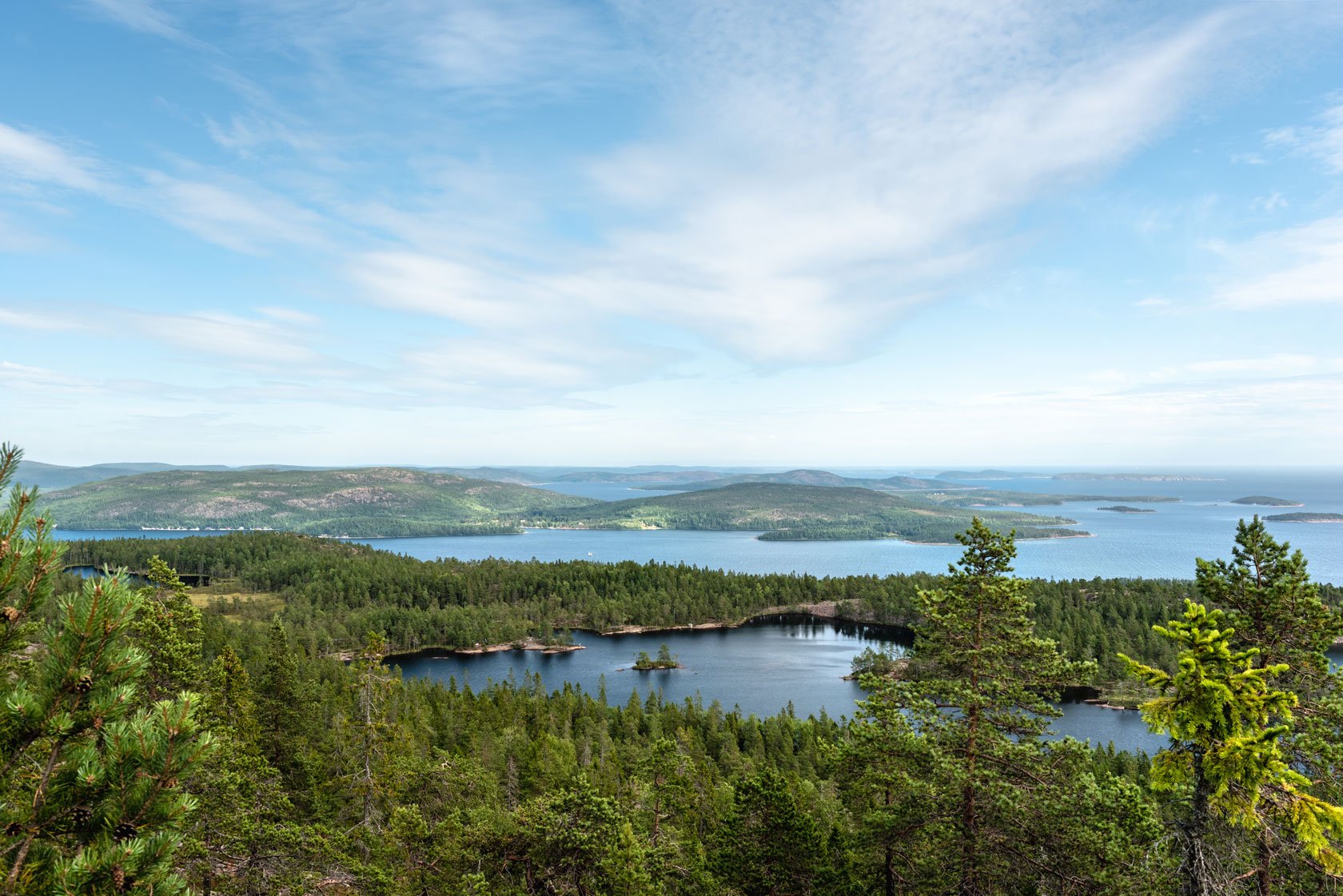
Whether you’re staying with us or just passing through, you’re invited to use our Grab&Go gear and local advice—this base camp is for everyone.


🇸🇪 Kort på svenska:

Det här inlägget är en snabbguide till fyra olika cykelutflykter från Docksta – från klassiska vyer till tysta skogar och vilda toppar. Oavsett om du är gäst hos oss eller bara passerar, kan du hyra cykel & utrustning via Grab&Go. Behöver du tips? Skriv till mig!

🇫🇮 Lyhyt suomeksi:

Tämä postaus on tiivis opas neljään erilaiseen pyöräretkeen Dockstasta – klassisista maisemista hiljaisiin metsiin ja villiin huippuun. Olitpa vieras tai ohikulkija, voit vuokrata pyörän ja varusteet Grab&Go-palvelusta. Kysy rohkeasti vinkkejä!


Before you choose: 3 questions I always ask

  1. Do you want views, forest silence, or a bit of adventure?

  2. Is today a half‑day (3–5 hours) or a full day?

  3. Do you want “easy and satisfying” or “wild and spacious”?

If you tell me those three things, I can usually suggest one clean plan in 30 seconds.


See the routes on the Living Map

Open the Living Map (built with Google My Maps—my personal way to highlight the High Coast’s best spots) and pick a pin for your time and legs.


Four Ways to Ride the High Coast (from Docksta)


Mode 1: Classic + flexible (Half‑day 3–5h) — Skuleberget

Best for: couples / solo / families / sailors ashore

Skuleberget is the classic High Coast highlight, but what makes it great is flexibility. You can keep it gentle, or you can make it a real challenge.

This mode is perfect if you want a “guaranteed wow” view and the option to scale the effort up or down.

What this mode can include (choose one, don’t stack everything):

  • A scenic ride + a short hike to the top

  • Naturum (museum/visitor center) when you want context

  • Via Ferrata when you want adrenaline

  • Naturscen when your day is built around a concert


Grab&Go suggestions for your excursion to Skuleberget:


Mode 2: Wild + grounded (Full day, but keep it simple) — Skuleskogen National Park

Best for: couples / solo / families / sailors ashore

Skuleskogen is where the High Coast truly reveals itself: ancient forest, granite cliffs, and quiet bays. This isn’t a “check it off your list” stop—it’s a place to slow down, cross real landscapes, and let the nature do its work.

This mode is perfect if:

  • You want to feel what a real national park is—moving at the right pace, not rushing from point to point.

  • You’re open to a full day outside, but not interested in “conquering” every trail—just experiencing the best sections.

  • You’re curious about the park’s unique character, and want a route that connects the most meaningful places.
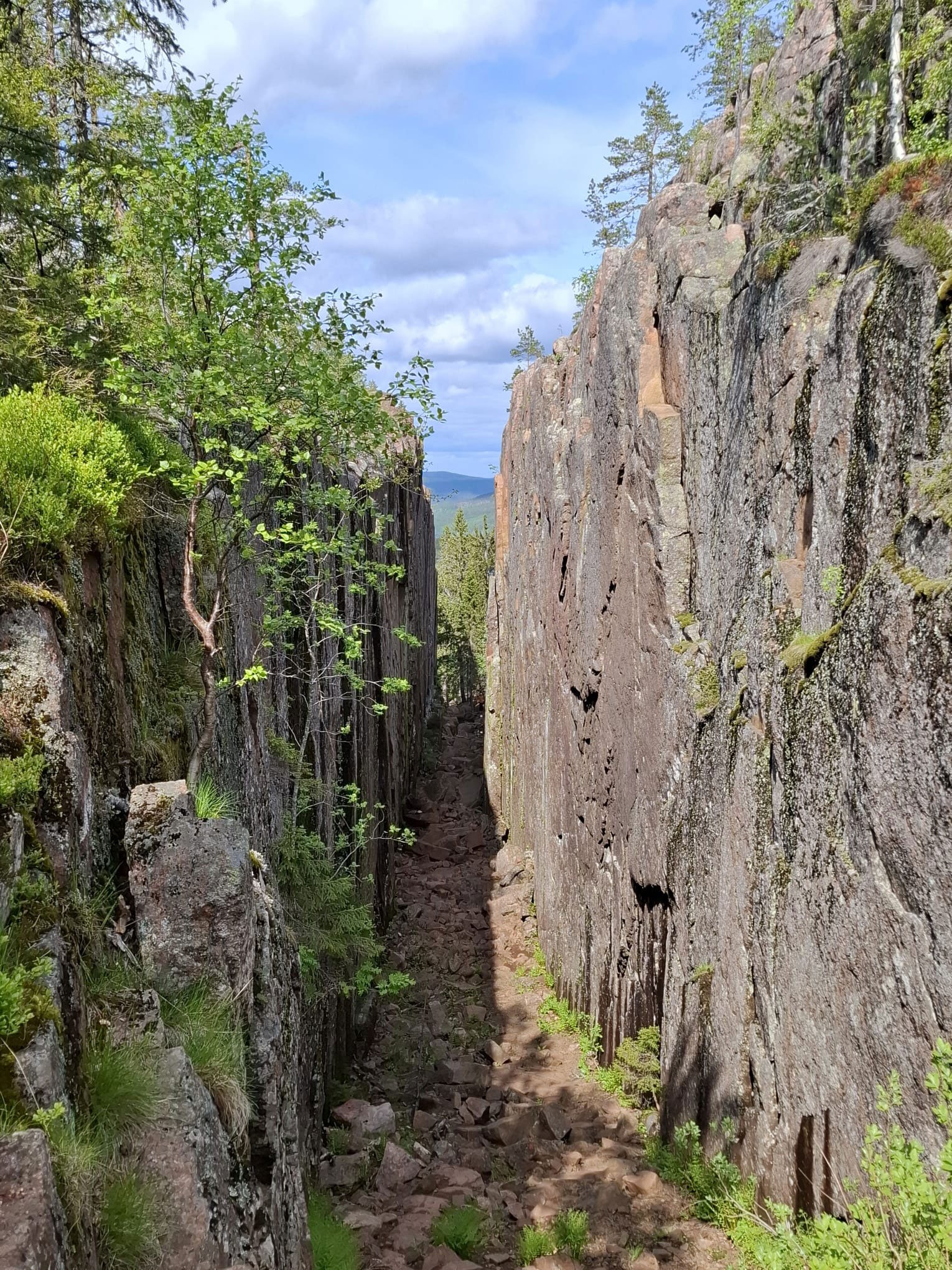
My hosting rule for Skuleskogen: pick the sections that matter, and let your trek be enough. I’ll suggest a route that gives you a true sense of this world-class natural heritage—challenging in parts, but always within reach, and never about the fastest time.

If you want a deeper hiking overview, this is the trek I recommend for really enjoying Skuleskogen: Hiking the National Park Skuleskogen >


Grab&Go suggestions for your excursion to Skuleskogen:


Mode 3: Easy + local + marina-friendly (Half‑day 3–5h) — Vårdkallberget

Best for: couples / solo / families / sailors ashore

Vårdkallberget is one of my favorite “low friction, high reward” days. It’s close, it’s satisfying, and it has that wild flavor—real rocky pine forest, sweeping views, and almost no crowds. You get a true High Coast hiking experience, but without the extremes.
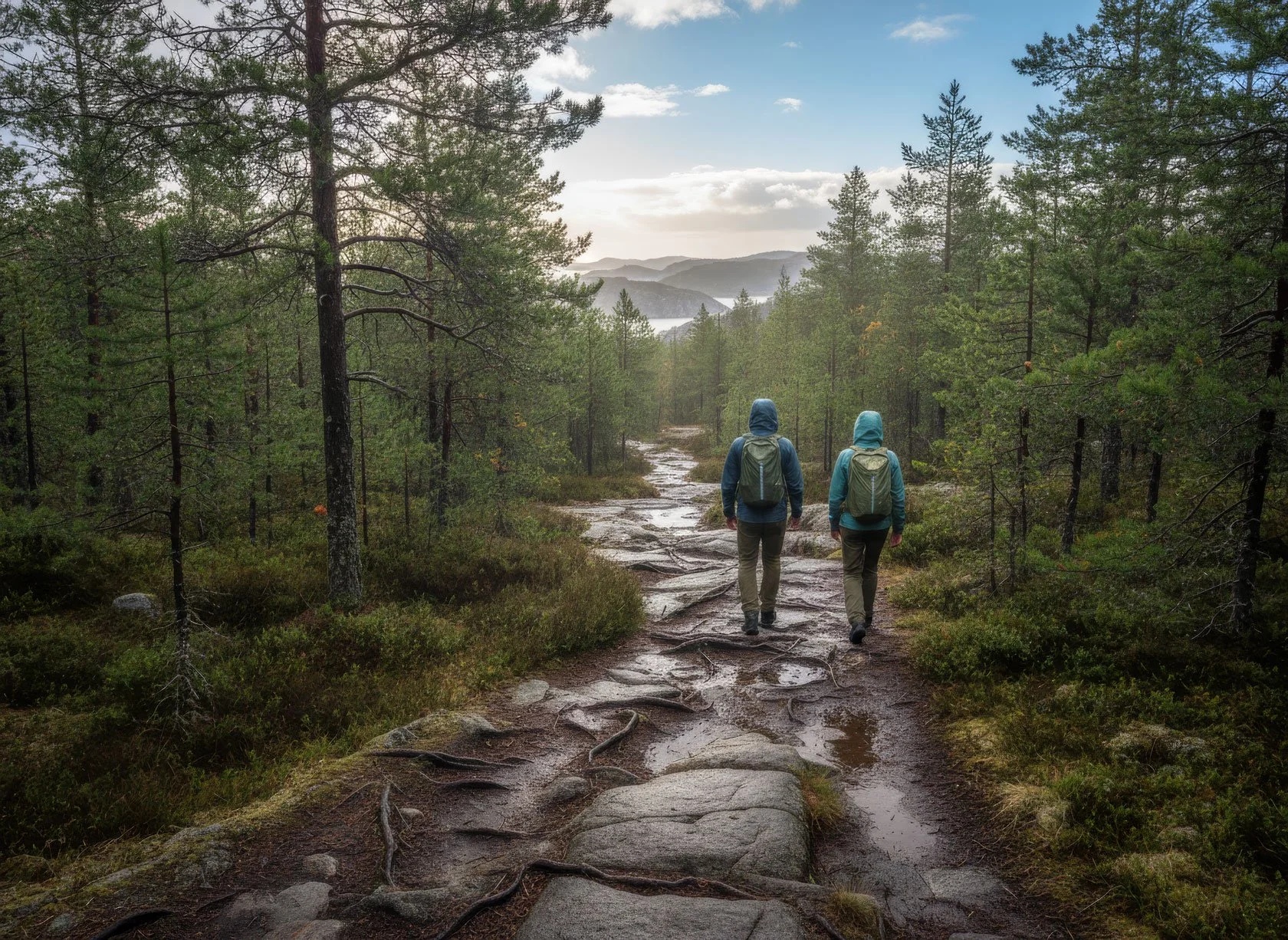
This mode is perfect if:

  • You want a taste of the wild, but don’t want to spend the whole day or tackle steep climbs.

  • You’re after a fantastic view, forest silence, and a summit that feels earned—but is still accessible from the marina or village.

  • You’re looking for a mix of easy riding and walking, where the mountain is nearly as high as Skuleberget, but the way up stays gentle and inviting.

Last summer, a guest biked and walked up here “just for the view”—but ended up napping in the shelter nearby the summit, reading, and calling it their favorite memory of the trip.


Grab&Go suggestions for your excursion to Vårdkallberget:


Mode 4: Space + wilderness (Full day / big legs) — Nätra Fjällskog

Best for: couples / solo / families / sailors ashore

Nätra Fjällskog isn’t just another forest—it’s one of the High Coast’s best-kept secrets. While most visitors stick to the “classics,” this is where you experience the wild, spacious side of Sweden that even many locals overlook.

Imagine a place where ancient pine and spruce forests stretch for miles, the ground is soft with moss, and the silence is so deep you can hear your own breath. Here, you’ll find a real trail system (not just a single viewpoint), winding through a mosaic of old shepherd’s huts, hidden clearings, and dramatic coastline panoramas. In the right spots, you catch sweeping sea views that feel almost private—pure High Coast contrast.

What makes Nätra special?

  • It’s authentic: This is a “for locals, by locals” wilderness, rarely promoted to international guests—which means you’ll likely have the trails (and the silence) all to yourself.

  • It’s true wilderness, but accessible: The landscape is wild and untamed, yet the main routes are within reach for a strong day’s ride and hike, especially if you’re up for a real adventure.

  • It’s a living landscape: You’ll cross ground shaped by centuries of shepherding and forest life, with rich biodiversity and a real sense of Swedish nature heritage.

This mode is perfect if:

  • You’ve already checked off the famous spots and crave something raw, spacious, and genuinely “northern.”

  • You want to feel like a local explorer—venturing into a place that’s not on the standard tourist map.

  • You’re looking for deep forest immersion, solitude, and a day that stays with you long after you leave.

No one else is sending guests here by bike, but I do—because Nätra deserves to be experienced by those who want more than just the highlights. If you’re ready for a High Coast day that feels like a discovery, this is it.


Grab&Go suggestions for your excursion to Nätra Fjällskog:


What Makes a Real High Coast Day

Most people think a “real” High Coast day has to be long. I don’t. A real day is the one that matches your body and your mood. Sometimes it’s Skuleberget and a slow coffee after. Sometimes it’s Skuleskogen and one quiet bay. The point isn’t to collect places—it’s to come back with that calm feeling of we did something true today.

A lot of guests arrive without gear—and that’s not a problem. It’s just a different style of travel. You don’t need to own a mountain of equipment to have a proper day outside. You need one simple tool (a bike), a few essentials, and one clean plan. That’s what Grab&Go is for: less friction, more day.

Docksta is where we are, yes. But a base camp isn’t just a location—it’s a relationship. It’s someone who tells you: “Don’t do everything. Do this.” If you tell me your time window and your mood, I’ll point you to the version of the High Coast that fits today—and you’ll spend your energy on the experience, not on logistics.

If you’re just passing through, you can still have a day that feels like you belonged here for a moment. Pick one mode. Leave space for a swim, a snack you actually enjoy, and a slow return to the marina. The High Coast rewards the people who don’t rush it.


Grab&Go: bike rental + simple kits (for guests and external visitors)

Bike rental: from 150 SEK/day. No deposit. Quick pick‑up at Docksta Havet — and I’ll help you choose a simple route

Grab&Go is built for travelers who arrive light — and for locals/external visitors who want an easy way to get out.

I built Grab&Go because so many guests arrived light, but left wishing they’d done more. This is my way of making adventure easy—no gear, no problem.

Full details:


Want an even easier day? (Families, recovery days, short evenings)

Docksta has small walks that work beautifully when you want something gentle:


If you want the “Start Here” shelf


A small closing note

A bike changes the High Coast. It turns “we don’t have a car” into “we have options.”

If you want a personal recommendation, send me three things:

  • How many hours you have (half‑day or full day)

  • Your energy level (easy / medium / big legs)

  • Your mood (views / forest / adventure / event day)

I’ll suggest one clean plan that fits your day.

The High Coast isn’t about how much you fit in, but how much you let in.

Slow down, choose one thing, and let the place do its work.

P.S. Every route here is one I’ve biked, hiked, and shared with guests—so if you want a tip that’s not in the guide, just ask.


Meet Your Host

Tommaso De Rosa

If you want to plan your High Coast days with a bit more calm and a bit less guessing, just send me a message.
You’ll find me on Airbnb (see my host profile and chat anytime), or you can write to me by email or WhatsApp at +46 76 3136909.


If you’re curious about a different kind of pause, I sometimes guide slow hammock immersions in the forest—what I call Skogspaus.
It’s less about “doing” and more about letting the forest do its work. If you want to know what that feels like, you can read more here:


Grab&Go suggestions: WHERE TO RIDE


to inspire you to explore the High Coast:

2 Trails, 1 Mountain: How Skuleberget reveals the secret of flow state

Flow State on Skuleberget: The Secret of the Eagle and Elk Trails

A Forest Guest's Guide to Trail Running Consciousness along two of my favorite segments of Skuleberget Mount.


The Mountain speaks first

"Before my feet touch the trail, Skuleberget has already been running for millions of years and started emerging from the ice sheet around 10,000 years ago. These ancient rocks of the High Coast—formed during the Svecokarelian orogeny, pushed and folded by tectonic forces—understand movement in a way no GPS ever could.

Standing at 295 meters above sea level, this mountain isn't just geography. It's a living record of geological flow, where stone rivers and glacial movements have carved narratives far more complex than any trail segment. When I run here, I'm not conquering terrain. I'm joining a conversation that began long before I was born."

Tommaso


The choice at the base

I stand at the base of Skuleberget on a May morning, my legs already humming with anticipation. Around me, other High Coast Runners gather—all grinning, all of us here for the same reason: to run 25 kilometers, climb 1,500 meters of elevation for the #BIG5 Challenge, and discover something about ourselves on this ancient mountain.

But here's what most people don't understand about Skuleberget: it's not about the summit. It's about the choice.

Every serious runner who arrives at Skuleberget faces the same decision: which path will unlock your deepest flow state today?

Approaching the base of the mountain, this isn't a question about difficulty or distance. It's about consciousness itself.


The Mountain speaks in two languages

Skuleberget is one of the most iconic spots of this Swedish UNESCO World Heritage site. It's a mountain that has stood here for 900 million years, watching the ice ages come and go, witnessing the slow dance of geological time. And it speaks to runners in two distinct voices.
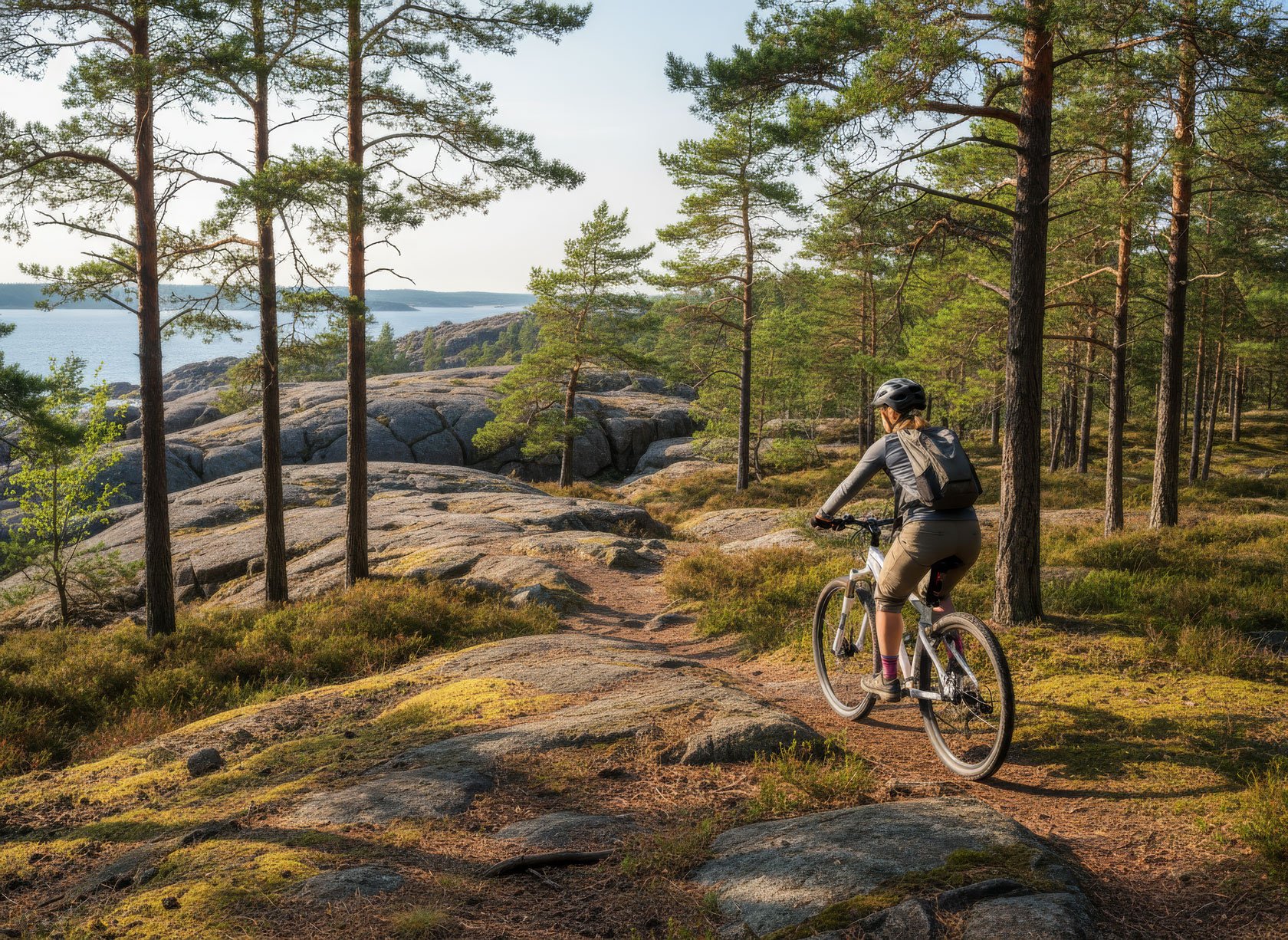
The first voice comes from the Eagle Trail—the direct route. Steep, relentless, demanding. It climbs 300 meters in less than a kilometer. Your heart pounds. Your quads scream. But there's something pure about it: the clarity of effort, the simplicity of suffering and transcendence. This is the path of intensity, of pushing through, of the traditional flow state we've all been taught to chase.

The second voice is the Elk Trail—the lonely long way around. It winds through forests, follows ridgelines, descends into valleys. The elevation gain is spread across the entire route. It's "gentler" on paper, but it demands something different: patience, presence, the ability to sustain effort without drama. This is the ecological flow—the kind that doesn't exhaust you, but deepens you.

Most runners choose one or like the other. But the real secret of Skuleberget is this: both are right. Both teach you something different about consciousness.


The Eagle and the Elk: A tale of two flows

The Marked Path: Performance as Destination

The Eagle Trail seduces with its promise of control. Clear markers. Defined objectives. Predictable challenges. Your GPS tracks every meter. Your watch monitors every heartbeat. The trail is mapped, measured, and manageable.
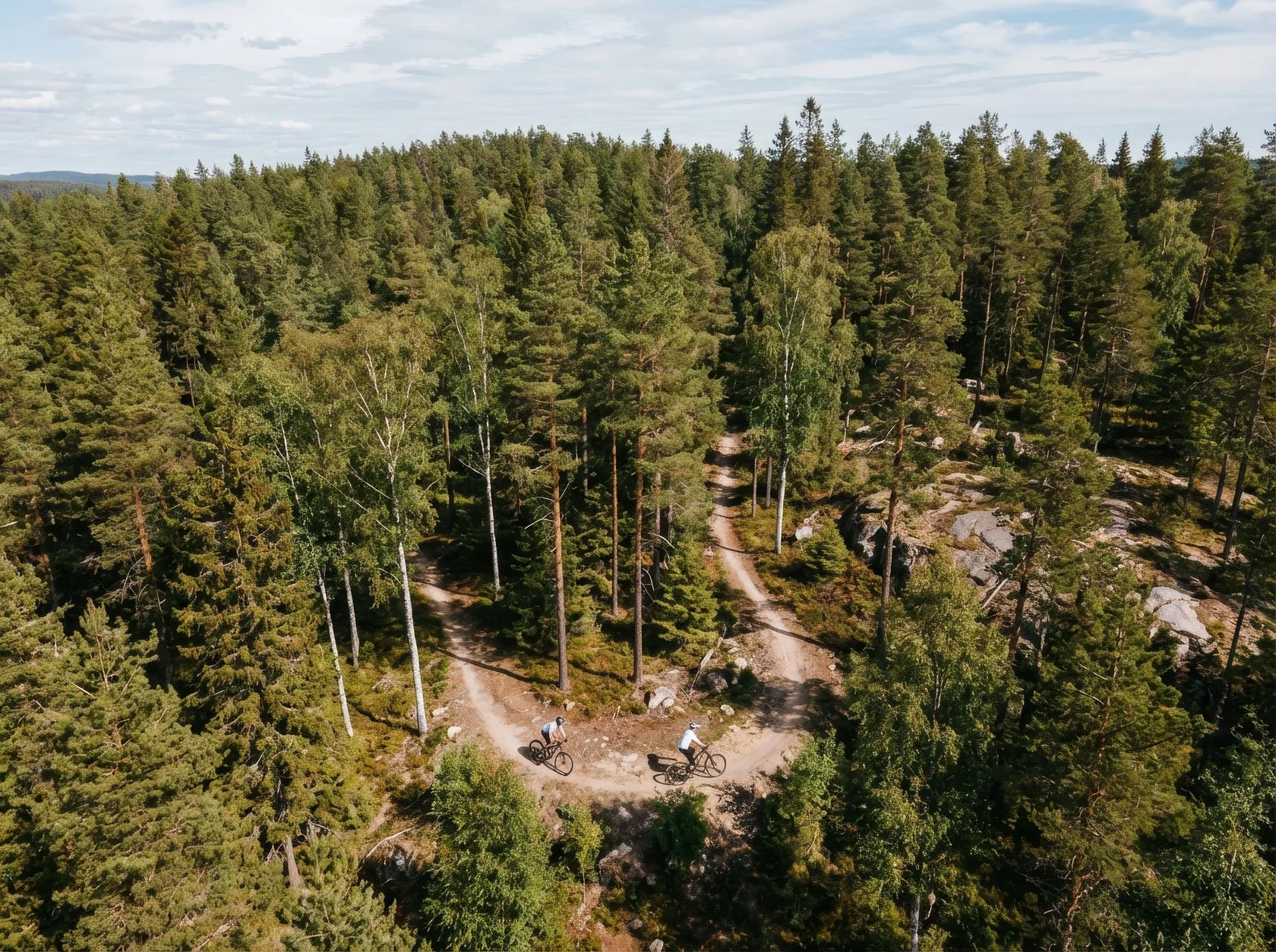
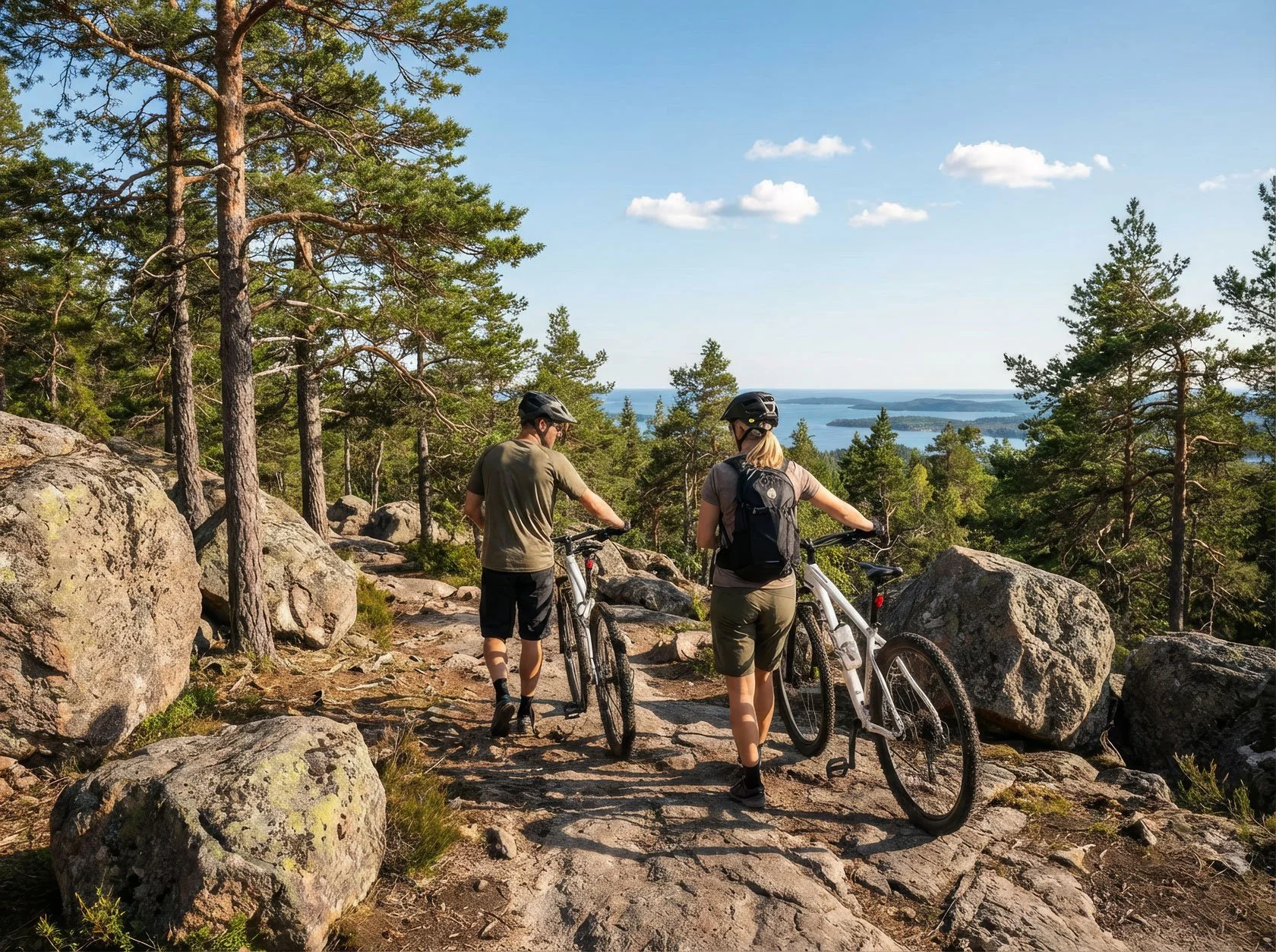
Neurologically, this represents a high-cognitive load environment. Your prefrontal cortex remains hyperactive, constantly processing performance metrics, route complexity, and competitive benchmarks.

You're thinking about the run instead of being the run.

The Occupier's Rhythm:

  • Imposed human pace

  • External validation through metrics

  • Performance as the primary metric

  • Landscape as static backdrop


The Wild Invitation: Presence as Destination

The Elk Trail doesn't appear on most maps. No needle markers guide your way. No crowds validate your effort. Just you, ancient pines, and terrain that demands your complete presence.

When you enter this trail, something profound happens to your nervous system. Your default mode network recalibrates. Your prefrontal cortex downregulates. Interoceptive awareness amplifies. Ecological consciousness emerges.

Your foot doesn't just land; it listens. Your breath doesn't power movement; it synchronizes with the mountain's respiratory rhythm.

You're no longer running on the mountain—you're running with it.


What I've learned running these trails

I don't remember how many times I've run these two segments. Not because I'm chasing a personal record or a Strava crown. But because each run reveals something new about what it means to be present.

On the Eagle path, I learned that flow isn't about speed. It's about surrender to the mountain's pace.

On the Elk path, I discovered that the best runs happen when I stop trying to "run well" and start listening to what my body wants to do.

The Skogspaus G.U.E.S.T. principles in motion on two opposite faces of the mountain

G - GENTLE

  • 🦅 segment: Social gentleness

  • 🫎 segment: Ecological gentleness

U - UNDERSTANDING

  • 🦅 segment: Human systems

  • 🫎 segment: Natural ecosystems

E - EMPATHETIC

  • 🦅 segment: Runner empathy

  • 🫎 segment: Landscape empathy

S - SUSTAINABLE

  • 🦅 segment: Social sustainability

  • 🫎 segment: Ecological sustainability

T - TRANSFORMATIVE

  • 🦅 segment: Performance transformation

  • 🫎 segment: Consciousness transformation

The Flow State Revolution

Traditional Flow:

  • Overcome resistance

  • Individual achievement

  • External metrics

  • Competitive mindset

Forest Guest Flow:

  • Dance with resistance

  • Ecological participation

  • Internal resonance

  • Collaborative mindset

Neurological Evidence

Emerging research in ecological neuroscience suggests that:

  • Flow states are not just psychological

  • They're complex neurobiological conversations

  • Environment actively participates in consciousness modulation

Your next run: An invitation

Tomorrow, when you lace up your trail shoes, you'll face a choice:

Will you run the trail, or will you let the trail run through you?

The Eagle and the Elk are waiting. Both have lessons about:

Performance 👉 vs. Presence

Achievement 👉 vs. Awareness

Occupation 👉 vs. Conversation


When the mountain becomes a mirror

Every year, in late May, something happens here which almost amazes and excites me every time.

Runners arrive—some alone, some with friends, some who've never met before. They come from Finland, Germany, Italy, all over—drawn by word that Skuleberget teaches something you can't learn racing or training elsewhere.

They come because they want to know what it feels like to run with the mountain, not against it.

And when they stand at the base—at that same choice point where I stand every time—something shifts. Segments like the Eagle and the Elk aren't just trails anymore. They're mirrors. Each runner sees themselves in the mountain's two voices.

Some discover they need the clarity of the steep path. Others find their truth in the patient, winding way. Most learn that both kind of paths are sacred.

This is the story behind the #BIG5 Challenge. If you want to understand the full journey—from its origins to the traditions that make it unique— read: The Skuleberget #BIG5 Challenge: Where Trail Running Meets Nordic Soul.


The #BIG5 Challenge: Five paths, one mountain

This is why we created the #BIG5 Challenge.

Not as a race. Not as a competition. But as an invitation to meet yourself on the same mountain where thousands of runners have already found something they didn't know they were looking for.

Five animal paths. Five different states of consciousness:

LYNX – The hunter's awareness. Acute, focused, predatory presence.

ELK – The wanderer's rhythm. Steady, sustainable, connected to the herd.

BEAR – The grounded power. Strength meeting earth, rooted and real.

EAGLE – The expansive view. Perspective from altitude, seeing the whole landscape.

FOX – The intelligent adaptation. Cunning, responsive, dancing with terrain.

Each teaches something different. Each reveals a different part of you.

Know all the #BIG5 segments— read: Trail running in the High Coast: The #BIG5 Paths of the Skuleberget Mount


After the run: The real gathering

Here's what I've learned: the challenge at Skuleberget doesn't end at the finish.

It ends when we gather at the marina clubhouse—sweaty, tired, alive. When we share stories over espresso and snacks. When we sit by the sea and remember why we run. When a stranger from Finland becomes a friend because you both discovered something true about yourselves on the same mountain.

This is where you discover that the real magic doesn’t happen on the summit only. In the #HighCoastRunner community. In the collective understanding that we're all here for the same reason: to let the mountain teach us something about presence, flow, and what it means to be fully alive on a trail.


Your invitation

The 6th #BIG5 Challenge is May 30th, 2026: Five uphill segments on Skuleberget, run together. No timing. No podium. No entry fee. But make no mistake: this is a serious mountain day.

It’s recommended for trail runners with a solid training base—people who respect steep terrain, long effort, and changing conditions. Distance and elevation don’t tell the whole story here. The mountain does.

If you feel called, you’re welcome.

Bring a minimal backpack and a light soul. The rest will follow.

We may keep this edition small (around 50 runners) to protect the spirit – we keep it intimate so everyone gets the care, the community, and the real experience.

Ready?

Join the High Coast Runner Club on Strava

Pls. confirm your spot at the 2026 edition of the #BIG5 Challenge: tominthehighcoast@gmail.com | +46 76 3136909

See you on the trails.

Tommaso :)


The Mountain doesn't end at the finish of your path

Skuleberget is one of those places that doesn't care about your plans. You can come here for a technical trail running session, a panoramic hike with a friend, a quiet solo climb when life feels loud—or a hard session on steep ground when you need to remember what you're made of. Either way, the mountain gives you the same kind of honesty: clear air, simple effort, and that calm tiredness that feels like truth.

And if you return often enough, you start to understand something else too: we don't come here only to "train". We come here to meet ourselves—again and again—on the same trail.


Tommaso De Rosa

Co-creator, Skuleberget #BIG5 Challenge

For any inquiries about the challenge, feel free to contact me:

Tommaso De Rosa

@tominthehighcoast

+46 (0)76.3136909

or +39.335.1309207 (WhatsApp too)
dockstahavet@gmail.com

P.S. - I'm also the author of SKOGSPAUS: The Forest Guest Bible, a 10-lesson guide to Forest Guest Consciousness. Read it below with 50% OFF.

Want to go deeper into Forest Guest Consciousness?

Entering the forest is more than just a run. Most of our running sessions begin with urgency: lacing shoes, checking watches, setting goals. We treat forests as backdrops for our performance, landscapes to cross rather than conversations to enter. SKOGSPAUS Forest Guest Consciousness and P.A.U.S.E. methodology offer a different approach: your first steps into the forest become a dialogue, bringing mindfulness and flow to every outdoor session, even an intense trail run. SKOGSPAUS isn't a training method. It's a way of being in the forest.

My e-book—a 10-lesson guide to presence, flow, and ecological awareness—shows you how to transform every trail into a conversation with the mountain.

Get 50% OFF with this code:

HIGHCOASTRUNNER

at this link:

https://ko-fi.com/skogspaus/link/HIGHCOASTRUNNER